
Last updated November 14, 2026
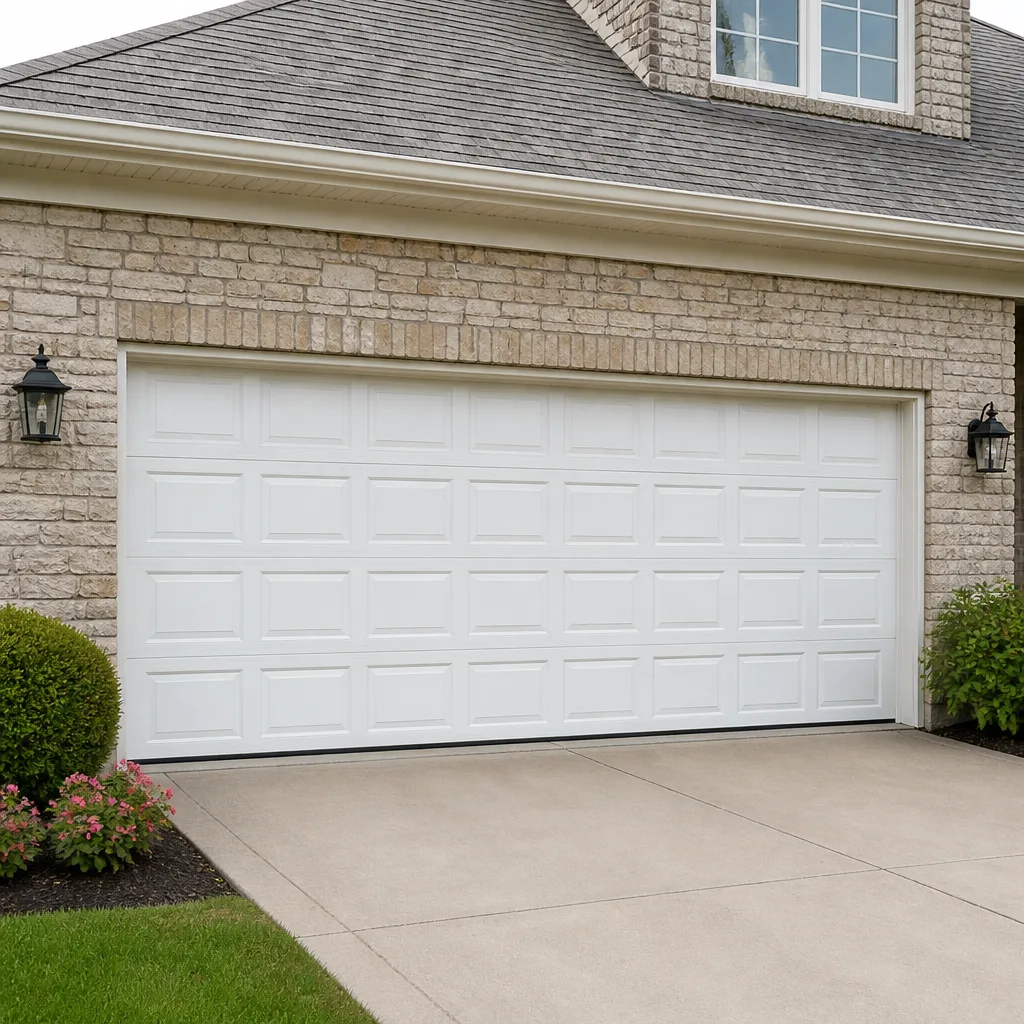 Raised-panel steel
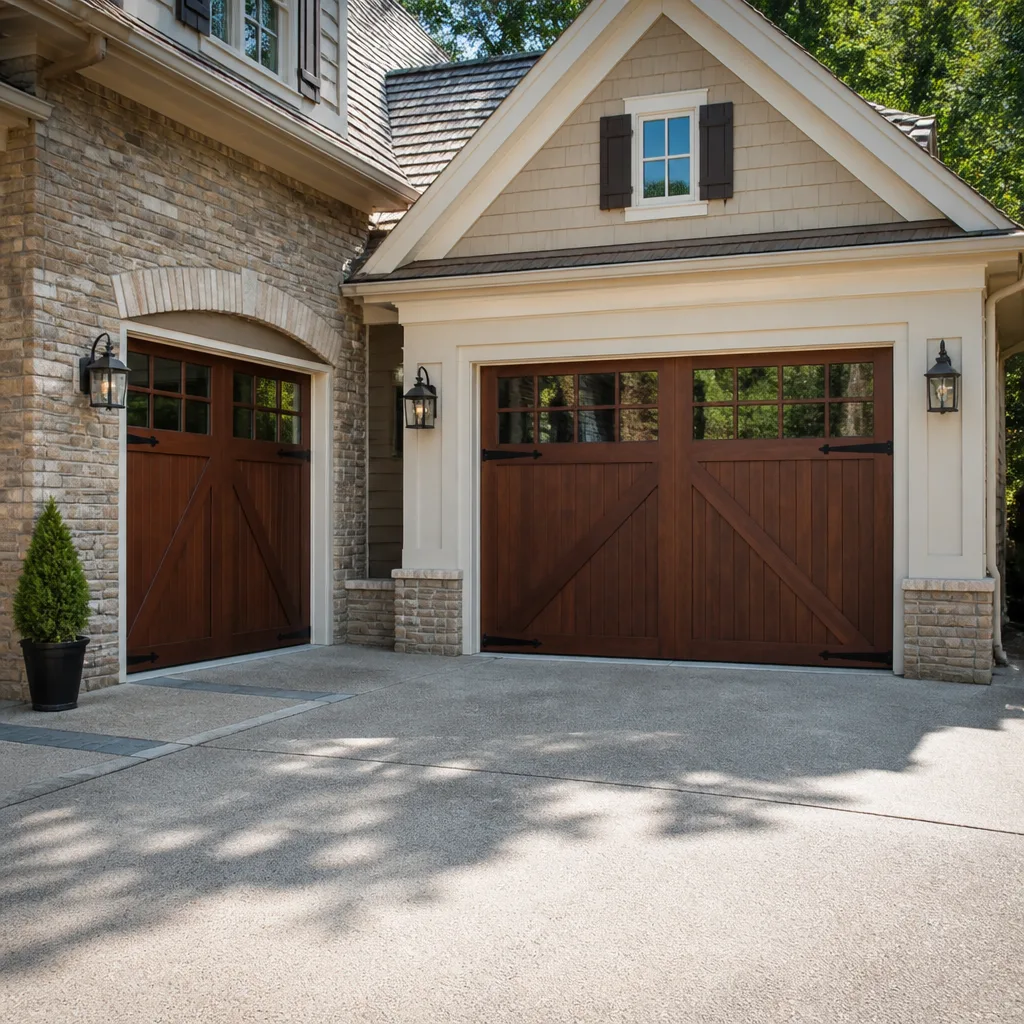 Carriage house
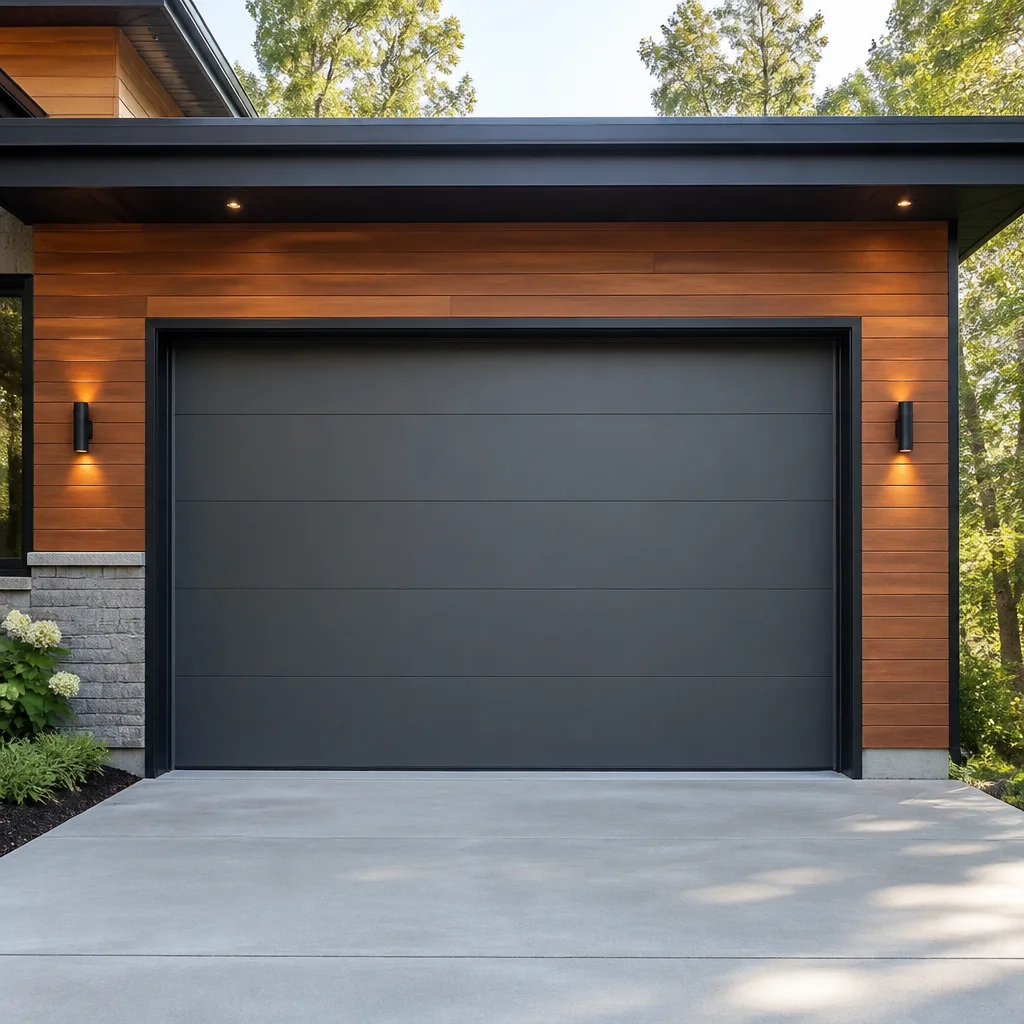 Modern flush
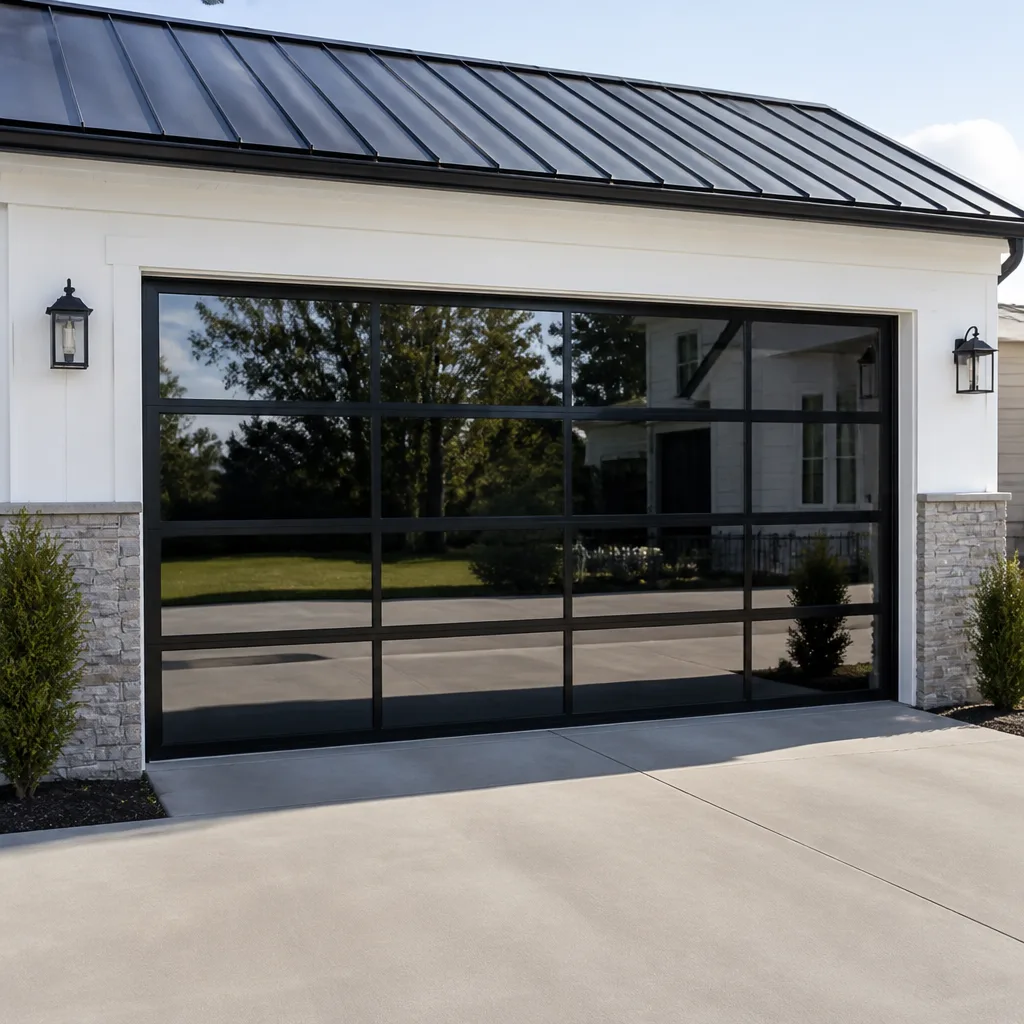 Full-view glass
 LiftMaster openers
 Chamberlain openers
Full 25-point door and opener safety check with every visit - springs, cables, rollers, tracks, and your LiftMaster or Chamberlain opener included
You get a price before we start. It does not change when the truck arrives.
Get your free estimateGarage Door Emergency Preparedness Guide for Enterprise Homes
During a summer grid event in Enterprise, your garage is likely the hottest enclosed space on your property and the hardest to exit without power. Most homeowners have never tested their manual release cord. The moment they need to is never the right time to find out it’s seized. Our local threats look different from what national preparedness guides assume: extreme heat and rolling outages, periodic high-wind events, and the security question that follows a failed opener. Ice storms and flooding guides don’t help you here. This guide walks through manual release for the opener types we actually see in Enterprise, what battery backup will and won’t cover, wind-event checks, a lockdown method for a dead opener, and how to describe the problem so a technician arrives with the right parts.
Quick Answer
Garage door emergency preparedness in Enterprise means three things: knowing how to operate your manual release for your specific opener, having a battery backup plan sized for extended outages rather than brief blips, and knowing how to fully secure the door from the inside when the opener fails. Test your release cord and your backup battery now, while nothing is wrong, not during a 115°F outage.
Styles & brands we work with
- Raised-panel steel
- Carriage house
- Modern flush
- Full-view glass
- LiftMaster openers
- Chamberlain openers
Table of Contents
- How Do You Operate a Manual Release on the Three Most Common Openers in Enterprise?
- What Does Battery Backup Actually Cover During a Long Outage?
- Why Extreme Heat Is the Real Garage Door Emergency Here
- High-Wind Protocol: What to Check After a Wind Event
- How Do You Secure a Garage Door From the Inside When the Opener Dies?
- Who to Call and Exactly What to Say
- Your Two-Minute Garage Preparedness Audit
How Do You Operate a Manual Release on the Three Most Common Openers in Enterprise?
The manual release is a pull cord or lever that disconnects the door from the opener trolley so you can lift it by hand. Every opener in an Enterprise home has one. The procedure is similar across brands, but where the cord hangs and how the trolley releases differ just enough that you should know your specific model before you need it. Here’s how each of the three most common setups we service works.
Chain-drive openers (LiftMaster, Chamberlain, Craftsman)
- Locate the release cord or lever hanging from the trolley carriage on the rail above the door’s center.
- Pull the cord straight down toward the floor, firmly and steadily, until the trolley disengages with a click.
- Lift the door slowly by hand. If it’s a torsion-spring door, the door should feel light. If it’s heavy, stop and call a professional.
- To reconnect, close the door fully and pull the cord again (or run the opener) so the carriage re-engages.
The common failure point isn’t the mechanism. It’s the cord. After years of disuse, the pull rope can rot from heat and UV exposure, the plastic handle can snap, or the release lever can rust in place. We’ve seen cords that look fine but pull straight off the carriage. In a garage that sees regular summer heat, inspect your cord for fraying and give it a light pull every few months to confirm it still releases.
Belt-drive openers (Chamberlain, Genie)
Belt-drive units use the same trolley release but run quieter and often sit in homes where the garage is under or beside a bedroom. The release cord works the same way: pull down, disengage, lift by hand. The failure point here is often a cord that’s been zip-tied out of reach or trimmed too short during installation. If your cord hangs more than six feet off the floor or is bundled up, it may not be usable under pressure. Shorten the reach issue now, not later.
Screw-drive and legacy Genie/Craftsman units
Older screw-drive and legacy mechanical systems sometimes use a manual release lever on the carriage rather than a hanging cord, or a release that requires a slight push toward the door before it disengages. If your opener is a legacy unit and you’re not sure of the release type, look at the carriage above the door. A lever points to a manual disengage; a cord points to a pull release. If neither is visible, the release may be seized or missing, and this is exactly what a pre-outage inspection catches.
The spring system on a torsion door is under extreme tension. If your door won’t lift by hand after disengagement, do not force it and do not try to adjust the springs yourself. Call us at (888) 915-1004. If you suspect the spring is the problem and not the opener, our garage door repair team can diagnose it on a single visit.
What Does Battery Backup Actually Cover During a Long Outage?
Battery backup keeps an opener working for a set number of open-and-close cycles when utility power drops. What it does not do is run indefinitely, and that distinction matters in Enterprise, where a summer grid event can last longer than the battery is rated for. Here’s what the current options actually cover.
- Built-in battery backup (common on newer LiftMaster and Chamberlain units): keeps the door operating for a limited number of cycles, usually enough for a handful of in-and-out trips. It buys you time, not days of operation.
- External battery backup (some Genie and older Chamberlain units): an add-on battery pack that extends cycle count but adds another component that can fail quietly. If nobody tests it, it may be dead when you need it.
- No backup at all: many legacy Craftsman and Genie openers have no battery option. In those homes, the manual release is your only power-out plan, which makes testing the cord non-negotiable.
The honest assessment: battery backup handles a short outage well. It does not handle a multi-hour grid event, and it does not lower the temperature inside a garage that’s been baking all afternoon. If your opener is a legacy unit with no backup path, the right answer may be a replacement opener with a built-in battery, not an add-on. That’s a decision to make before an outage, when we can measure your door, confirm the drive type, and install on a scheduled visit.
Testing is simple. Push the battery test button if your opener has one and watch whether the door cycles on battery power. If your opener has no test button, an outage is the only test, which is why we recommend a professional check as part of a garage door opener repair visit. We service LiftMaster, Chamberlain, Genie, Craftsman, and Raynor units, so we can tell you what your specific opener can and can’t do.
Why Extreme Heat Is the Real Garage Door Emergency Here
In most of the country, the garage door emergency is ice, snow, or flooding. In Enterprise, it’s heat. A garage that faces the sun through the afternoon can reach temperatures far above the outdoor reading, and that heat stresses several components at once.
- Lubricant breakdown: hinge and roller lubrication dries out faster, and dry hardware binds and wears. A door that runs smoothly in cooler months can start dragging by midsummer.
- Battery degradation: heat shortens the working life of opener backup batteries. A battery that would last years in a mild climate may not last as long here. This is a major reason to test it regularly.
- Seal and weatherstrip wear: the bottom seal and side weatherstrip harden and crack. A failed seal lets heat in, which makes the garage hotter, which makes the whole problem worse.
- Spring fatigue: torsion springs do the heavy lifting on most doors and do it under constant tension. Heat cycles don’t break a spring directly, but they don’t help, and fatigue is cumulative across every open and close.
Here’s the part that matters for preparedness: when a grid event hits in summer, your garage may be the hottest enclosed space on the property. Don’t plan to shelter there. Plan to have water in the house, not in the garage. And don’t try to cool a garage with the door partly open and the opener running. The opener isn’t rated for holding a door in a partial position for long stretches.
If your garage is the primary entry point, as it is in a lot of Enterprise homes, a door that seizes in a heat event blocks your most-used exit. Regular lubrication and a spring inspection go a long way toward preventing that. To learn more about our local coverage, see Enterprise.
High-Wind Protocol: What to Check After a Wind Event
Clark County sees periodic microburst events, and a microburst can put more lateral load on a garage door than any thunderstorm. A sectional garage door is a large flat panel facing outward. When wind pushes against it, the force transfers to the hinges, rollers, tracks, and the reinforcement built into the door. What you do right after a wind event tells you whether the door is still safe to run.
What to check after a wind event
- Look at the door from inside and out. Are the panels still aligned, or is there a slight bow or crease?
- Run the door a few inches and watch whether it travels straight or catches. A door that suddenly drags after a wind event may have a bent track or a shifted panel.
- Check the hinges and roller carriers for visible distortion. Hinges take the lateral load at the panel joints.
- Examine the door’s bracing from the inside. If your door was built with wind reinforcement, confirm the struts and brackets are still attached.
- Inspect the bottom seal and side weatherstrip for gaps. A storm can tear a seal loose, and a loose seal flaps and works the door further.
Which construction ratings matter
Door manufacturers build wind ratings into their product lines, and the rating your home needs depends on the wind zone your property falls in and your local code. We won’t guess at a rating here. What we will say: if your current door has no wind reinforcement and you’ve been through a wind event that showed you the garage is exposed, ask your city’s building department what rating is required for your address, then ask us about a door that meets it. Clopay and Amarr both make wind-rated doors, and we install both.
After a wind event, if the door won’t close flush or the opener strains to lift it, stop running it. A door that’s racked puts the opener motor under strain and can pull a track loose. Call for a repair assessment. We can work with your insurer on a wind-damage claim, and we’ll tell you honestly whether the door needs repair or replacement.
How Do You Secure a Garage Door From the Inside When the Opener Dies?
Your opener stops, the door is down, and the automatic lock or the opener’s security feature no longer holds the door. You need to secure it from the inside and you can’t wait for a technician. Here’s the general method. The specifics depend on your door, and we’re describing what to do, not walking you through disassembly.
- Confirm the door is fully closed and seated. Press down at the bottom edge. It should feel solid against the floor and the bottom seal should be making contact all the way across.
- Engage the manual lock if your door has one. Many steel and wood doors from Clopay and similar makers have a slide-bolt lock on the inside, usually on one or both sides. Slide it into the track or the bracket it’s designed for.
- Use a vice-grip or clamp on the track if there’s no built-in lock. Clamp it to the track just above a roller so the door can’t be lifted. This is a temporary hold, not a permanent lock, but it works for a night.
- Disconnect the opener from the door. Pull the manual release so the opener can’t move the door even if it gets power back unexpectedly. This keeps the door in the locked position.
- Block the interior access points if the garage connects to the house. A dead opener doesn’t prevent the interior door from opening, but you want to know the garage is secured from the outside, not just from the house side.
What not to do: don’t try to bend the track to jam the door, don’t shove a screwdriver into the opener rail, and don’t prop anything against the door from the outside. The track and the springs are the wrong things to improvise on. If the door won’t sit flush or the bottom seal is compromised, the right move is to secure it as best you can and call. We answer 24/7, and a call outside dispatch hours is booked into the next opening, Sunday through Friday, 7am to 7pm.
Who to Call and Exactly What to Say
The single biggest reason a repair takes two visits is a vague description. If you tell a service “my garage door is broken,” the technician can’t know whether to load a spring, a set of rollers, an opener control board, or a new battery. A clear description means the right parts come on the first trip, and a one-visit fix in a heat event is the difference between a normal day and a day spent waiting on a special order.
Say these five things
- The brand and model. “It’s a LiftMaster chain drive” or “it’s an older Genie screw drive.” The brand narrows the parts. If you don’t know, read the label on the opener housing or take a photo.
- What the door does. “The opener runs but the door doesn’t move.” “The door goes up six inches and reverses.” “It’s dead, no lights.” Each one points to a different failure.
- The manual release status. “I pulled the cord and the door is disconnected” tells us the opener is out of the equation. “The cord won’t pull” tells us the trolley or release is seized.
- Whether it’s the door or the opener. If you don’t know, say so. We diagnose both sides on the same visit, which is one of the reasons we work with both the panel brands and the opener brands.
- Your address and gate or access notes. Enterprise has neighborhoods where garage access is easier from one side than another. Tell us which side of the house the garage faces.
One call gets you the whole range: door brands like Clopay, Amarr, Wayne Dalton, and Raynor on the panel side, and LiftMaster, Chamberlain, Genie, Craftsman, and Raynor on the opener side. If your last repair company said they don’t service your brand, we probably do. Call (888) 915-1004. We answer 24/7. Fast dispatch from 7am to 7pm, Sunday through Friday. The estimate is free, and the price is quoted and agreed before any work starts.
Your Two-Minute Garage Preparedness Audit
Run this once a season, ideally before summer. It takes a few minutes and it catches the failures that turn a grid event into a real problem.
- Pull the manual release cord. With the door down and the opener idle, pull it and confirm the trolley disengages. Then lift the door by hand a foot and confirm it feels light. Reconnect it.
- Test the battery backup. If your opener has a battery, run the test button and confirm the door cycles on battery. If there’s no test button, have it checked professionally.
- Lubricate the hinges and rollers. A dry hinge binds and a bound hinge works the opener harder.
- Look at the bottom seal. Cracked or torn seal means heat in and dust in. It’s a small fix that helps a lot in Enterprise.
- Inspect the springs visually. Look for a visible gap in a torsion spring or a stretched extension spring. Don’t touch them. If you see a gap, call.
- Check the door’s inside bracing. Confirm the struts and brackets are attached, especially if you’ve been through a wind event.
- Save the phone number. Put (888) 915-1004 in your phone now, so you’re not searching for it in a hot garage with no power.
Common Mistakes to Avoid
- Never testing the manual release. A cord that hasn’t been pulled in years can snap, seize, or come off the carriage the first time. Test it every season.
- Assuming battery backup covers a long outage. It covers a limited number of cycles. In a multi-hour grid event in Enterprise, the manual release is still your plan.
- Forcing a heavy door by hand. If the door won’t lift easily after disengagement, the springs are the problem, not the opener. Forcing it can drop the door.
- Running a door that’s dragging after a wind event. A racked door puts strain on the opener and can pull a track loose. Stop and call.
- Bending a track to jam the door. It’s a security improvisation that turns into a repair. Use the built-in lock or a clamp instead.
- Describing the problem vaguely. “It’s broken” means a second trip. Name the brand and say what the door does.
- Waiting until the opener dies to think about the brand. Knowing whether you have a LiftMaster, Chamberlain, Genie, or older Craftsman unit means parts can be matched on the first visit.
See the difference
 Before
 After
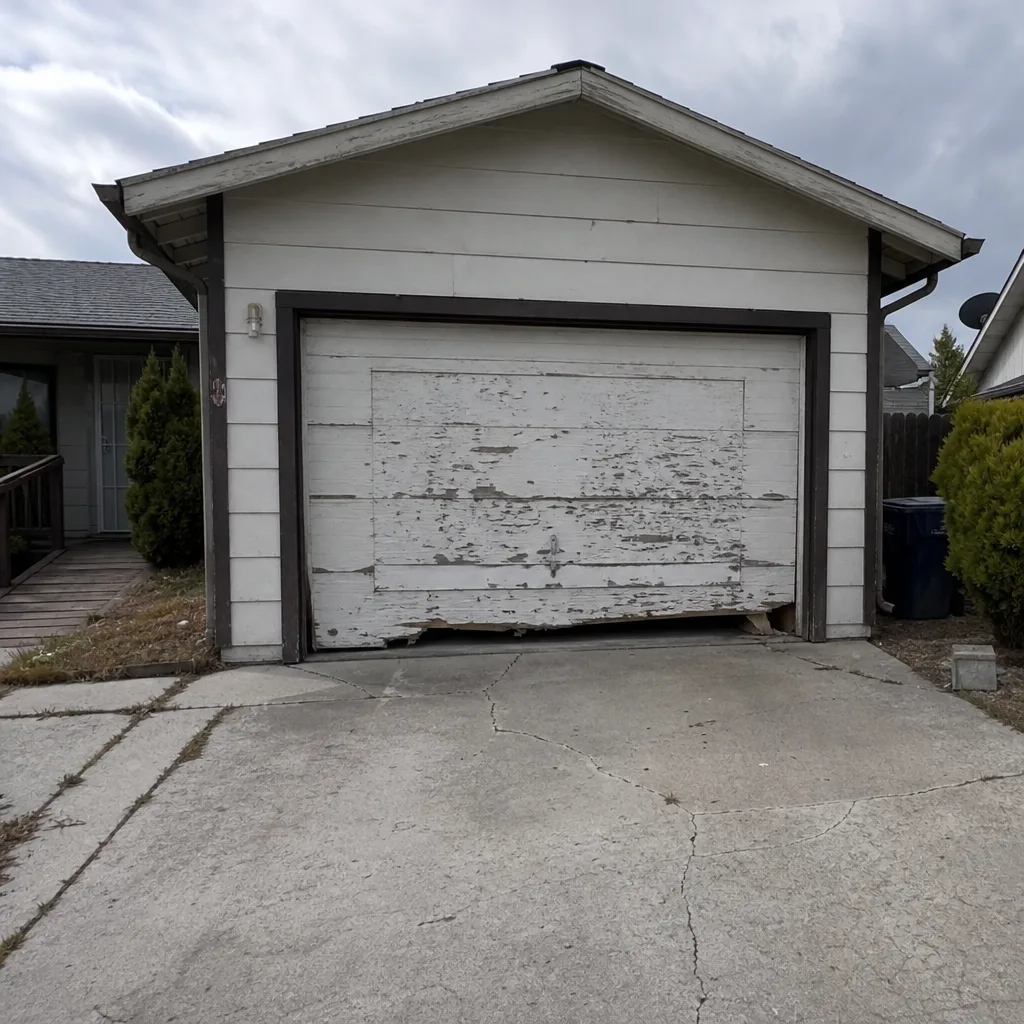 Before
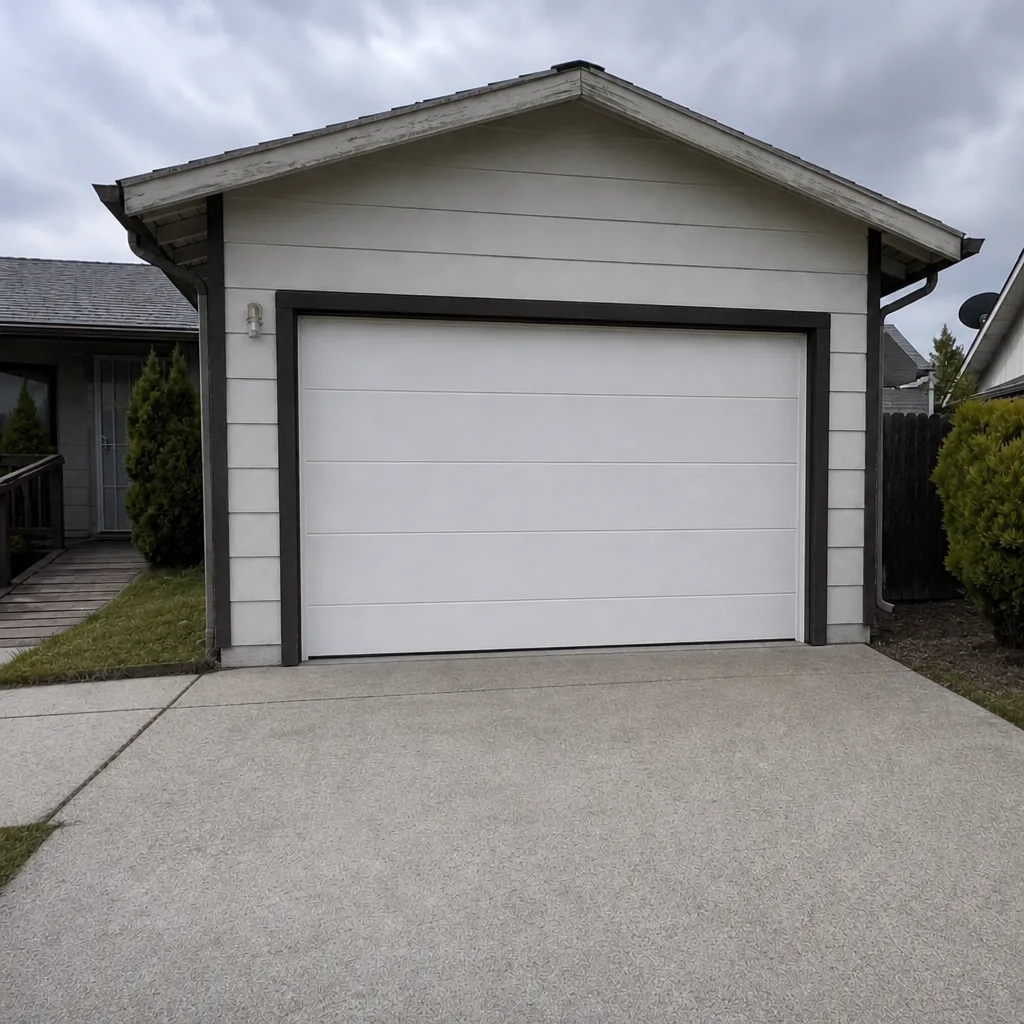 After
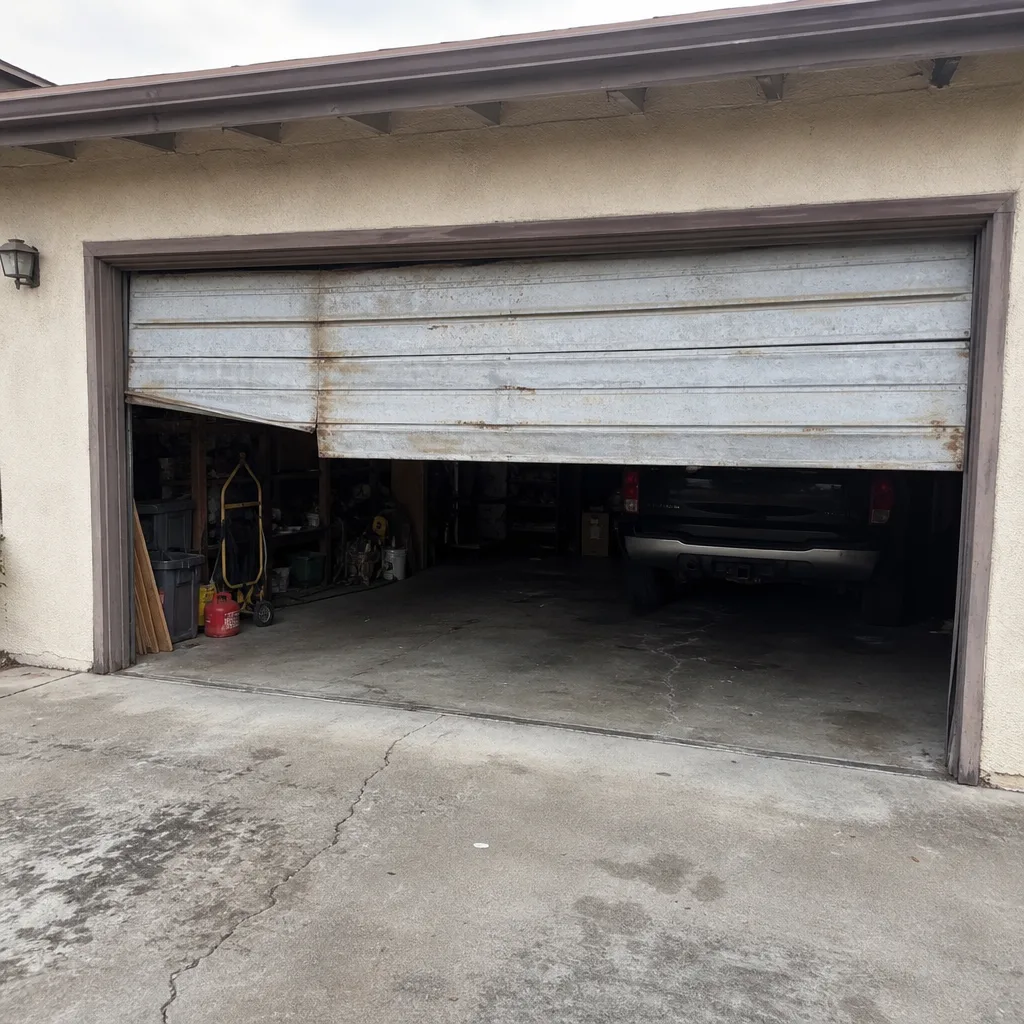 Before
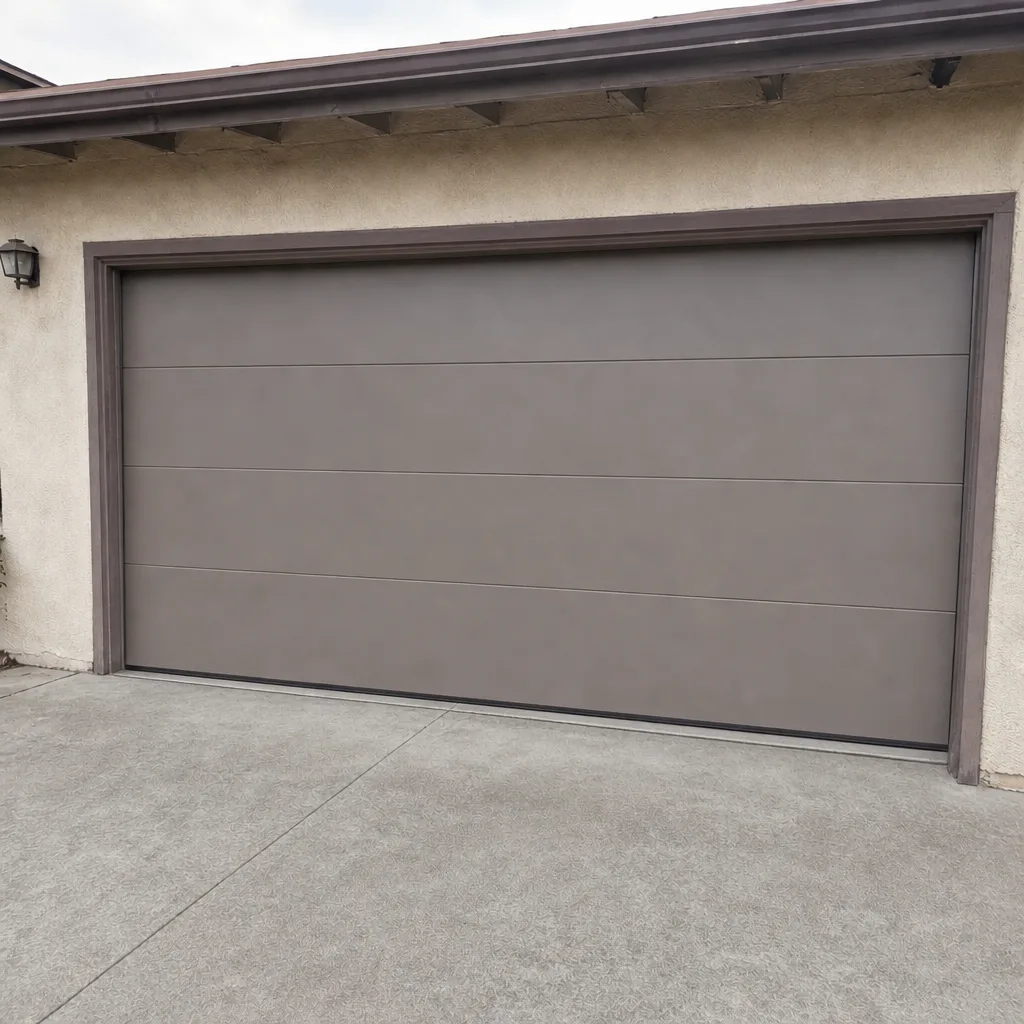 After
When to Call a Professional
Call when the door won’t lift by hand after you pull the manual release, because that points to the spring system and those springs are under extreme tension. Call when the door won’t close flush or tracks visibly after a wind event. Call when the opener runs but the door doesn’t move, or when the door reverses a few inches up every time. Call when the opener is dead and you can’t secure the garage from the inside. And call when you simply don’t know which side of the equation is failing. We diagnose the door and the opener on the same visit, so you’re not handed off between contractors. Northwind Garage Door Repair offers free estimates in Enterprise. Call (888) 915-1004.
Frequently Asked Questions
Pull the manual release cord hanging from the trolley above the door, then lift the door by hand. Disengage the opener first, pull down firmly until the trolley clicks free, and lift slowly. If the door feels heavy, stop and call (888) 915-1004.
Only for a limited number of cycles. Battery backup on LiftMaster, Chamberlain, and similar units is rated for a short run of open-and-close cycles, not extended operation. Test the battery now, and plan on the manual release as your backup for a long grid event.
It usually means the trolley release is seized from disuse, or the cord has frayed and detached from the carriage. Don’t force it. A seized release needs a technician to free it without damaging the trolley. Call (888) 915-1004 for an assessment.
Look for bowed panels, bent tracks, distorted hinges, loose bottom seals, and missing wind bracing on the inside. If the door won’t close flush or drags, stop running it and call for a repair assessment. We can work with your insurer if there’s a claim.
Press the door fully closed, engage the manual slide-bolt lock if your door has one, or clamp the track just above a roller. Then pull the manual release so the opener can’t move the door. If the door won’t sit flush, call for help rather than improvising on the track or springs.
Give the brand and model, what the door does, whether the manual release worked, and whether you know if the problem is the door or the opener. That’s enough for us to match the right part on the first visit. Call (888) 915-1004 and the estimate is free.
The Bottom Line
Preparedness is cheap and fast, and repair in a heat event is neither. Test your manual release cord every season. Know whether your opener has battery backup, and understand it covers a short outage, not an extended one. Check the door after a wind event before you run it. Know how to secure the door from the inside if the opener dies. And know what to say when you call, so the right parts arrive on the first trip. None of this takes much time. It’s the difference between a hot afternoon with a working door and a hot afternoon without one.
If you’d rather have us walk through your garage and check the release, battery, springs, and door together, one call covers it. Northwind Garage Door Repair handles repair, opener repair, and installation in-house across the brands we service. Call (888) 915-1004 for a free estimate. We answer 24/7. Fast dispatch from 7am to 7pm, Sunday through Friday. The price is quoted and agreed before any work starts.
Written by the team at Northwind Garage Door Repair, serving Enterprise since 2018.