
Last updated November 14, 2026
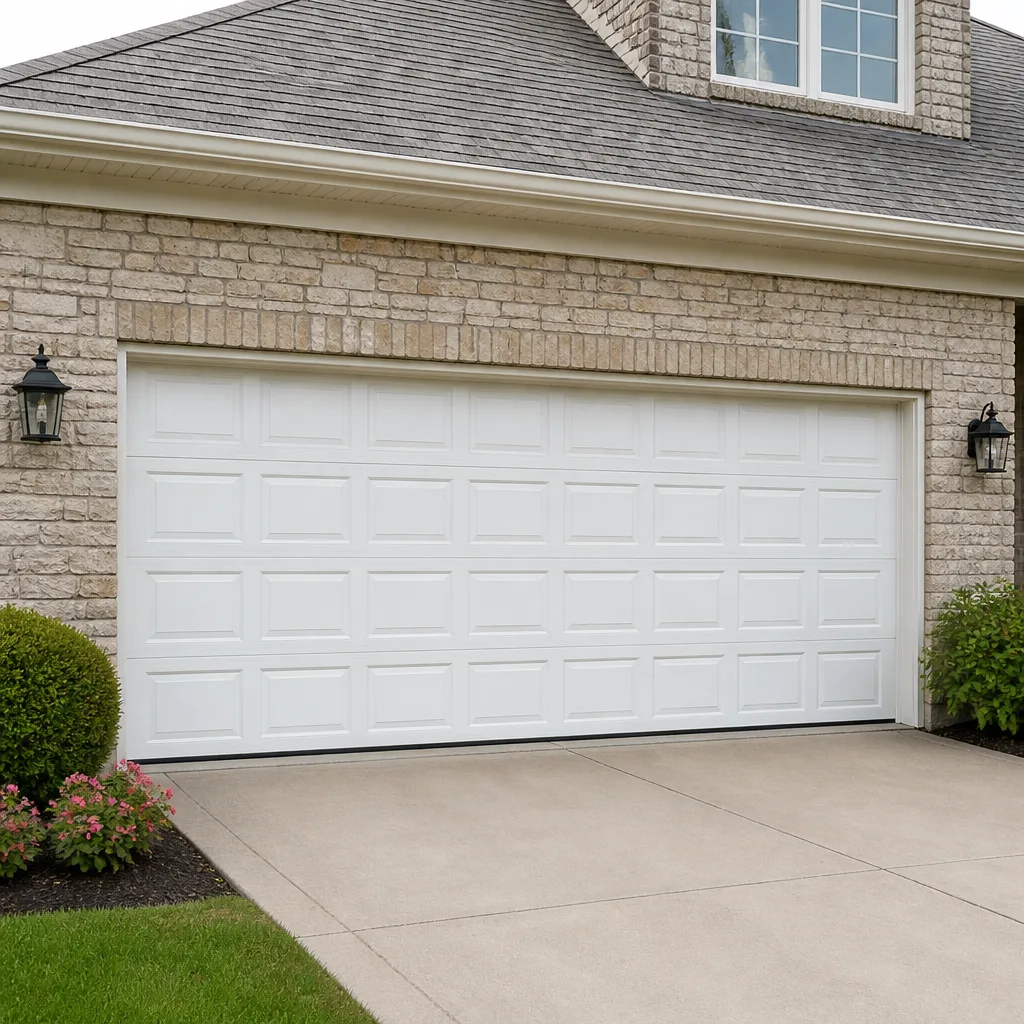 Raised-panel steel
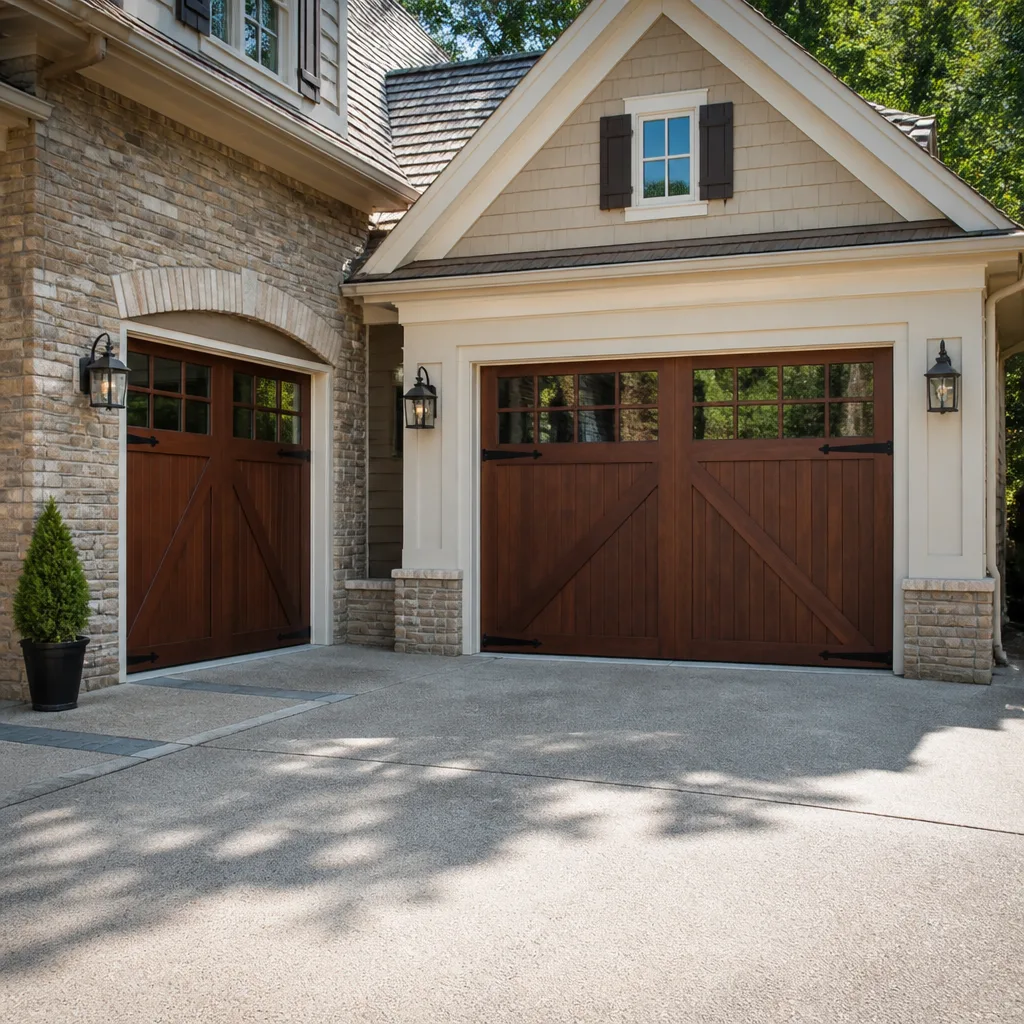 Carriage house
 Modern flush
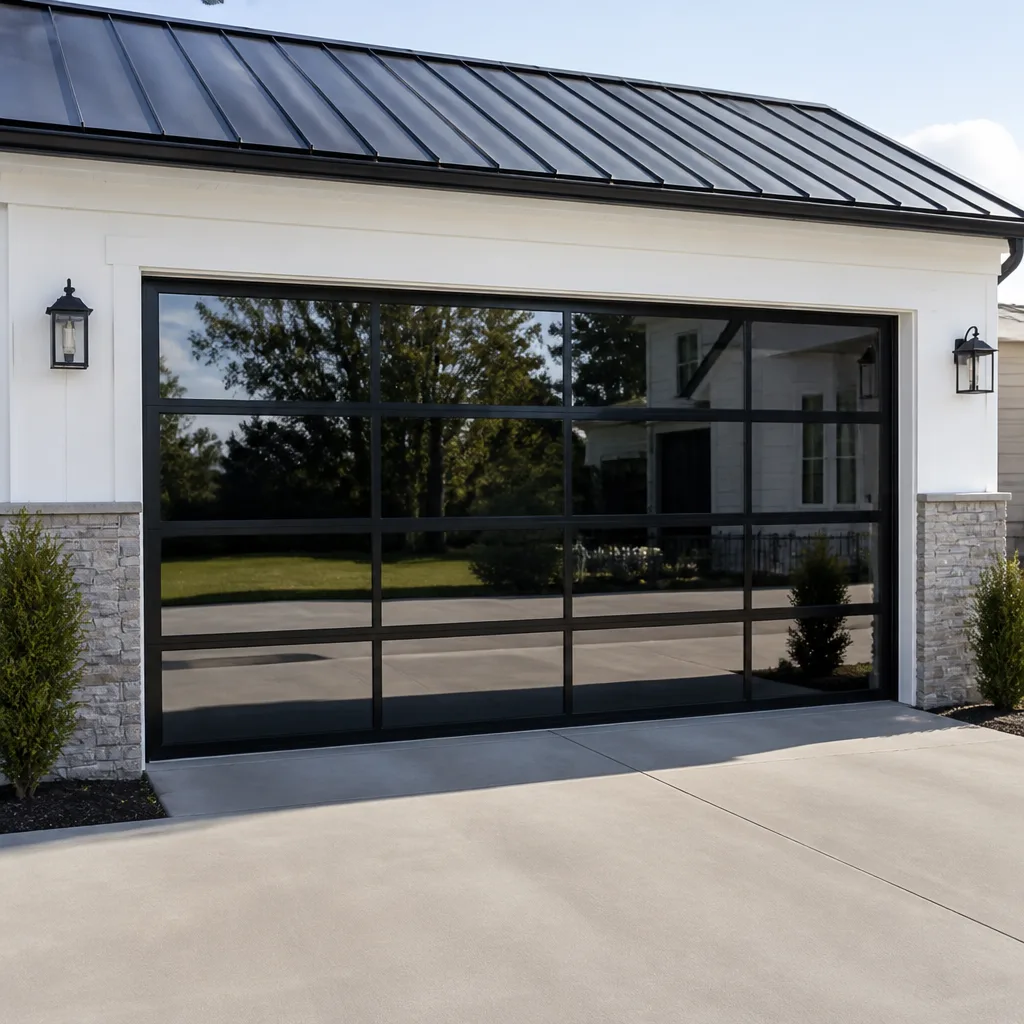 Full-view glass
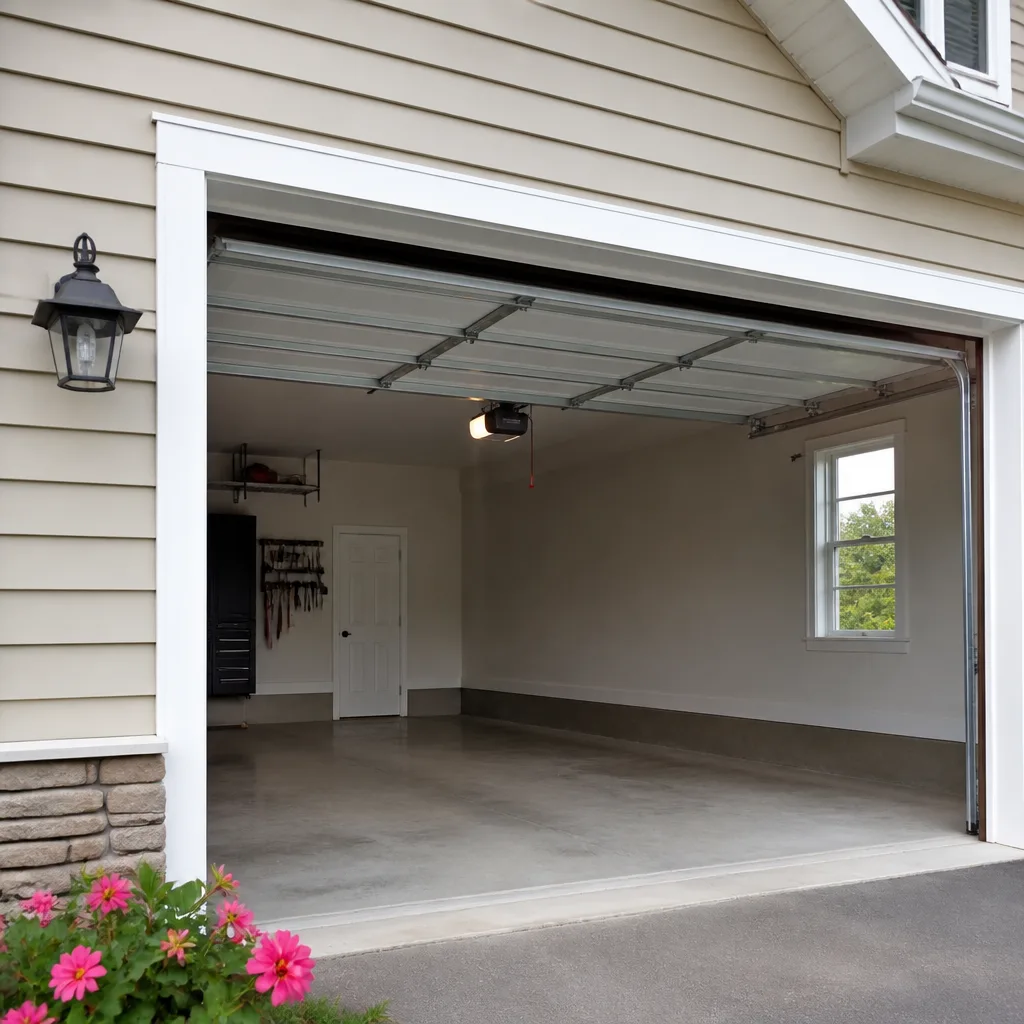 LiftMaster openers
 Chamberlain openers
Full 25-point door and opener safety check with every visit - springs, cables, rollers, tracks, and your LiftMaster or Chamberlain opener included
You get a price before we start. It does not change when the truck arrives.
Get your free estimateGarage Door Permits, Codes & Inspections in Enterprise, NV: What You Need to Know
A garage door replacement in Enterprise doesn’t go through the City of Las Vegas, Henderson, or any other municipality. It goes through Clark County Building Division, because Enterprise is an unincorporated community in Clark County, not a city with its own building department. That single distinction is where most of the confusion starts. Homeowners call the wrong office, get told the wrong thing, or skip the permit entirely because a contractor told them it wasn’t needed. We’ve spent time helping Enterprise homeowners sort out that jurisdictional question, and this guide lays out exactly when a permit is required, how the Clark County process works, what inspectors look for, how HOA approval fits in, and what happens down the road if the work was never permitted.
Quick Answer
In Enterprise, Nevada, most residential garage door replacements that change the door’s size, weight, or structural attachment require a permit from Clark County Building Division. A true like-for-like swap of the same door in the same opening may qualify as exempt under county code. When in doubt, call Clark County Building Division directly and describe the exact scope of your project before any work begins.
Styles & brands we work with
- Raised-panel steel
- Carriage house
- Modern flush
- Full-view glass
- LiftMaster openers
- Chamberlain openers
Table of Contents
- Why Enterprise Permits Go Through Clark County, Not a City
- When Is a Garage Door Permit Required in Enterprise?
- Like-for-Like Replacement: When It Qualifies as Exempt
- How to Apply: The Clark County Building Division Process
- What Inspectors Actually Check
- HOA Architectural Approval vs. County Permit
- What Happens If the Work Was Never Permitted
- Desert Conditions That Affect Garage Door Compliance
Why Enterprise Permits Go Through Clark County, Not a City
Enterprise is an unincorporated community in Clark County. It has no city hall of its own, no municipal building department, and no city-issued garage door permit. Every permit for structural or major mechanical work in Enterprise is issued by Clark County Building Division. That includes garage door replacements that affect the opening or the load path.
This is the point where a lot of homeowners waste a phone call. They dial the City of Las Vegas or Henderson, describe their garage door project, and get a polite but unhelpful answer because the address isn’t in that jurisdiction. The permit office for an Enterprise address is Clark County. Full stop.
Here’s why it matters beyond paperwork. If a contractor tells you they’ll “pull the city permit,” that’s a signal they may not know the local jurisdiction well. Ask them directly which building department they’ll use. If the answer isn’t Clark County Building Division, that’s worth a follow-up question before you sign anything.
We keep this straight because we work in Enterprise regularly, and it’s the kind of detail that can derail a project if it’s missed. A permit application filed with the wrong agency doesn’t just get rejected, it burns time, and time matters when your garage door is your primary entry point.
When Is a Garage Door Permit Required in Enterprise?
The short version: if the work changes the structure, the load, or the safety system in a meaningful way, expect a permit. If it’s a direct swap of a door that failed with an identical door in the same opening, permit requirements get murkier and it’s worth a direct call to Clark County Building Division to confirm.
In our experience, these categories of garage door work typically trigger a permit requirement in unincorporated Clark County:
- Replacing a single door with a double door, or changing the opening size
- Switching from a tilt-up or one-piece door to a sectional door (different weight and track system)
- Changing the spring system type (extension to torsion, or torsion to a different torque rating)
- Adding a garage door where one didn’t previously exist
- Replacing or modifying the structural header over the garage opening
- Any work that changes the door’s wind-load characteristics
These categories generally don’t require a separate structural permit but still need to meet code:
- Replacing opener motors (including smart openers from LiftMaster or Chamberlain)
- Replacing rollers, hinges, or cables on the existing door
- Replacing weatherstripping or bottom seals
- Repainting or refinishing the existing door
The honest answer is that garage door permit requirements vary by the specific work and the specific opening. Call Clark County Building Division, describe what you’re doing, and ask them directly. That call takes ten minutes and eliminates guesswork.
Like-for-Like Replacement: When It Qualifies as Exempt
Exempt is not the same as “nobody cares.” That’s the first thing Enterprise homeowners should understand. A like-for-like replacement of an existing garage door, in the same opening, at the same weight and dimensions, without changing the spring system type or the structural attachment, may qualify as exempt from a building permit under Clark County code. That exemption is not automatic, and it’s not a blanket pass. It’s a narrow category.
Here’s how to think about it. The closer your replacement sits to what was already there, the more likely it lands in exempt territory. The moment the door gets heavier, changes material, changes spring type, or changes the opening, it’s a different conversation.
Before you assume your project is exempt, be ready to answer these for the building department:
- Is the replacement door the same width and height as the existing door?
- Is the replacement door the same basic weight class and construction (steel vs. aluminum vs. wood)?
- Is the spring system staying the same type?
- Is the track staying in the same position on the same header?
- Is the opener staying the same or being replaced with an equivalent UL-listed unit?
If any of those change, call Clark County Building Division and confirm whether a permit is needed. A phone call costs nothing. Undoing unpermitted structural work after the fact costs a great deal.
How to Apply: The Clark County Building Division Process
The application process for residential garage door work in Enterprise runs through Clark County Building Division. In general terms, here’s the sequence most residential garage door permits follow. Confirm current portal details and submittal requirements directly with the department, because the process does update over time.
- Confirm scope with the building department. Call Clark County Building Division, describe the project, and confirm whether the work requires a permit and what documents they want. Get the name of the person you speak with.
- Gather your paperwork. Expect to provide the property address, a description of the existing door and the replacement door, manufacturer specifications, and in some cases the spring and opener specifications. Door brands like Clopay, Amarr, Raynor, and Wayne Dalton publish these specifications, so they’re straightforward to retrieve.
- Submit through the county portal. Clark County uses an online permit portal for residential applications. Create an account, file the permit application, and attach your submittal documents.
- Pay the permit fees. Fees are set by the county based on the scope of work and are quoted when the permit is issued. The building department will tell you the amount; it’s not something a contractor can quote from memory.
- Schedule the inspection. Once the permit is issued and the work is complete, you or your contractor schedules the inspection. The inspector signs off, and the permit is closed out.
Budget more time than you think for the revision cycle if you’re filing yourself. In our experience, the fastest way through the process is having complete and accurate specs on the first submission. Miss one document and the whole thing bounces back.
What Inspectors Actually Check
Inspectors do not inspect the aesthetics of your new door. They check the structural and safety elements that the permit exists to protect. Knowing what they’re looking at helps you avoid a failed inspection and a second charge for reinspection scheduling.
What inspectors typically look at on a residential garage door replacement:
- Structural header. The header over the garage opening has to be sized for the load. If the new door is heavier than what was there, the header may need reinforcement. This is a large part of why a “simple” door swap sometimes becomes a structural permit.
- Spring system. The springs are rated for the weight of the door. An inspector will confirm the door is balanced, which verifies the spring is properly matched to the door’s weight. A door that lifts by hand easily and stays halfway up is a balanced door.
- Opener UL listing. The opener must be UL-listed and the safety reversal system must function. Inspectors test this. If the opener is an older unit or a non-listed motor, expect it to be flagged.
- Egress compliance. If the garage is attached to the home and there’s a door from the garage into the house, that door and its swing matter. Inspectors check that the entry door meets egress and fire-separation requirements for attached garages.
- Track and attachment. The track has to be securely attached, plumb, and correctly positioned for the door’s weight and travel.
We’ve been through inspection cycles on jobs in Enterprise and surrounding unincorporated Clark County. The doors that fail are almost always the ones where the door weight changed without a corresponding spring and header adjustment. The door “works” and still fails inspection, because a door that works underpowered isn’t the same as a door that’s safe.
HOA Architectural Approval vs. County Permit
These are two separate approvals and one does not substitute for the other. A lot of Enterprise homeowners learn this the hard way when they finish a door replacement, only to get a letter from their HOA. Many neighborhoods in Enterprise have architectural review requirements, and a garage door change almost always falls within them because the door faces the street.
Here’s how the two approvals differ:
- Clark County Building Division permit is about safety, structure, and code compliance. It is issued by the county, it requires an inspection, and it protects you at resale and in an insurance claim.
- HOA architectural approval is about appearance and community standards. It’s issued by your HOA. It’s often about color, panel style, window options, and sometimes the manufacturer. Some HOAs require a specific door style or limit you to a set of approved colors.
The timelines interact, and that’s where things go sideways. In our experience, HOA approval takes longer than the county permit, because the architectural committee doesn’t meet every day and they want documentation. Get the HOA process started before you order the door. If you order a Clopay or Wayne Dalton door in a color the HOA rejects, you are reordering at your cost.
A practical sequence: confirm your HOA requirements first, then confirm the county permit scope, then order the door. That order saves money and time in that order. Reverse it and you’re paying for a door you can’t install.
What Happens If the Work Was Never Permitted
If unpermitted garage door work is discovered after a claim, the insurance company can and often does treat that as a coverage question. Policies vary, so the specific outcome depends on your policy language, but the pattern is consistent: insurers expect the work to be permitted and inspected. Unpermitted structural or safety work gives the carrier a reason to investigate, delay, or deny a portion of a claim.
More commonly, the issue surfaces at resale. A buyer’s inspector will note an unpermitted alteration. A title company may require it to be corrected before closing. The seller then has to go back to Clark County Building Division and start the permit process retroactively, sometimes with the added step of an inspection that reveals code deficiencies.
The practical rule for an Enterprise homeowner: if the work changes the structure or the safety system, get the permit. The permit is proof the work was done to code. That proof is worth more than the fee, and it’s the thing your insurance carrier will care about if a claim is ever filed.
Desert Conditions That Affect Garage Door Compliance
Enterprise sits in the high desert and the conditions here stress garage doors in ways that matter for inspection and code compliance. The most relevant factor is heat cycling. Summer highs in the Valley push a garage interior well above the outside temperature, especially on a west-facing door. A door with a western exposure sees significant expansion and contraction every single day, and springs, cables, and torsion bars carry the stress.
What that means for your project:
- Spring life in Enterprise is shorter than in milder climates. A spring rated at a certain cycle count may reach it faster than the same spring in a coastal climate. When you replace the door, use rated springs matched to the new door weight, and confirm the cycle rating before installation.
- Track alignment matters more. Heat expansion will find a misaligned track and turn it into a binding door within a season. Inspectors check alignment, and they’re right to.
- Seals age fast. The weatherstripping along the bottom and sides takes a beating from dust and UV exposure. Replace it with the door, not after the door.
- Dust infiltration strains opener mechanics. Dust gets into the opener housing and the rail, and it accelerates wear. If you’re replacing the door with a new LiftMaster or Genie opener, confirm the opener is UL-listed and rated for the door weight.
If your door is failing repeatedly, that’s not always a permit issue. It’s often a weight and balance issue that a proper spring swap fixes. If you’re not sure which is broken, our garage door repair team can diagnose whether it’s the door, the opener, or the spring before any permit discussion happens.
Common Mistakes to Avoid
- Calling the wrong building department. Enterprise is unincorporated Clark County. If a contractor tells you they’ll “pull the city permit,” ask which city. The correct answer is Clark County Building Division. Anything else is worth a second look.
- Assuming like-for-like replacement is automatically exempt. The exemption is narrow. A door that’s the same width but 40 pounds heavier is not like-for-like, and the permit requirement changes with it. Confirm with the county before assuming.
- Skipping the HOA step. Many Enterprise neighborhoods have architectural review, and a door that doesn’t match the approved style can trigger a compliance letter. Get the HOA approval before the door is ordered, not after the install.
- Letting the door weight change without updating the spring system. A mismatch between spring rating and door weight is the single most common reason a properly installed door fails inspection or fails to balance. Inspectors check it because it’s a real safety issue.
- Assuming the opener doesn’t matter. Inspectors verify the opener is UL-listed and that the safety reversal is functional. An older non-listed motor will get flagged even if everything else is right.
- Installing without a permit and hoping nobody notices. The permit record follows the property. A buyer’s inspector, a title company, or your insurance carrier can all discover unpermitted work, and it’s a much larger problem to solve retroactively than to have done it right the first time.
- Having the door and opener diagnosed by two different companies. If the root cause of a failure is ambiguous, a single visit diagnosing both sides saves a wasted appointment. We cover both areas in-house, so we identify whether it’s the door or the opener before recommending anything.
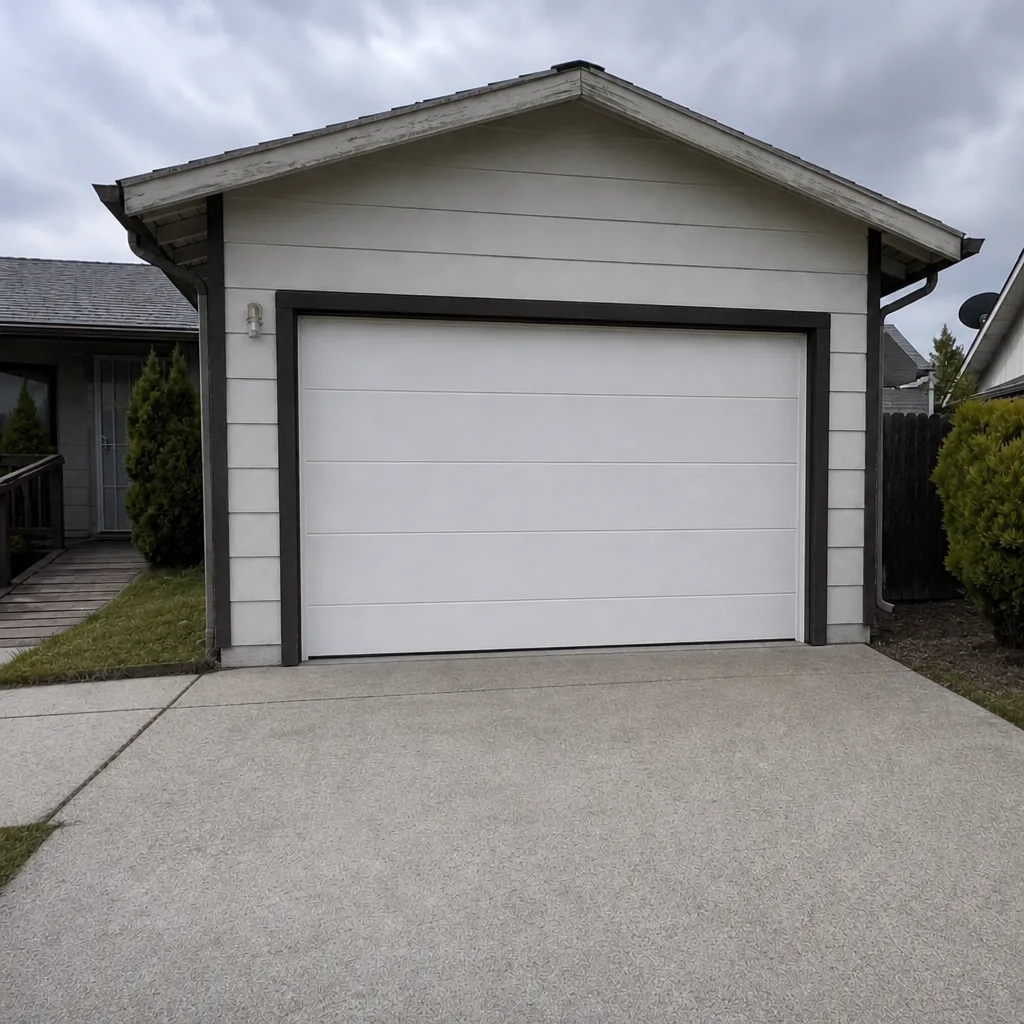
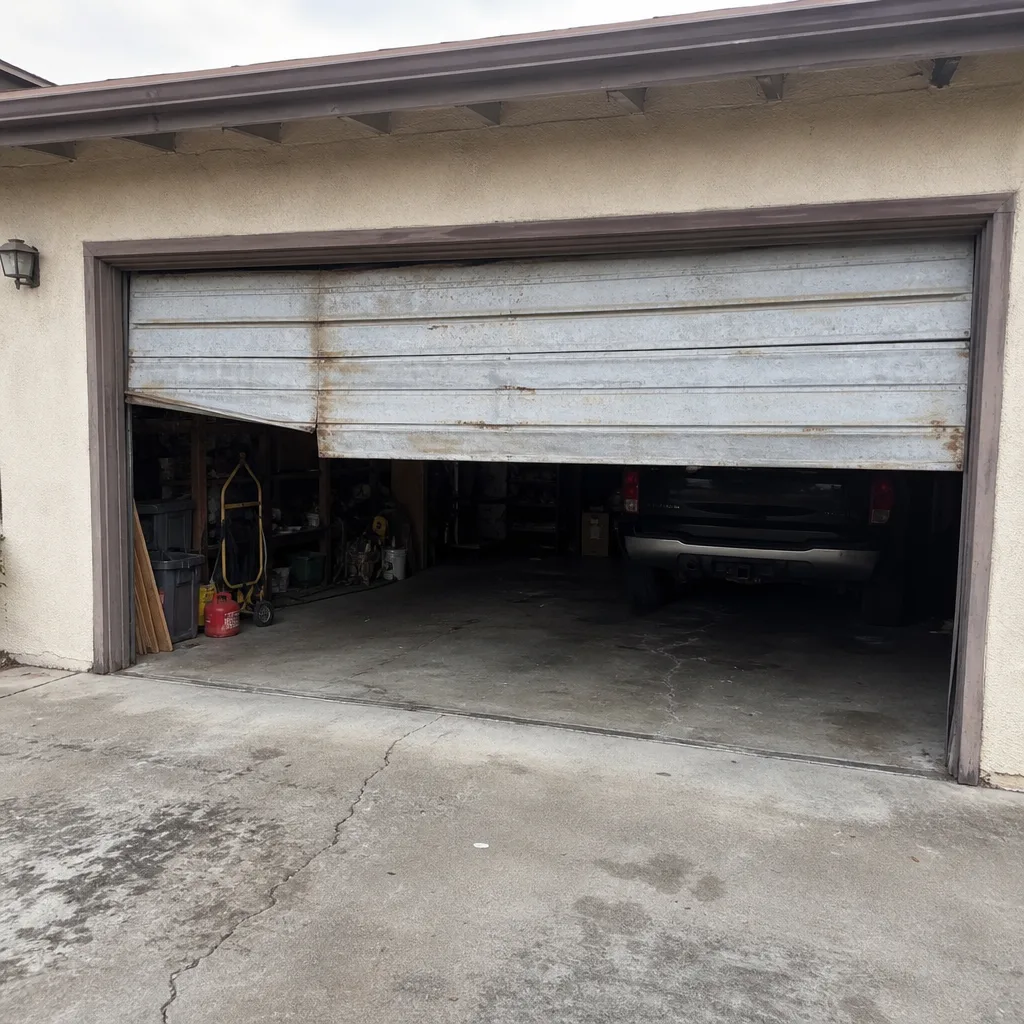
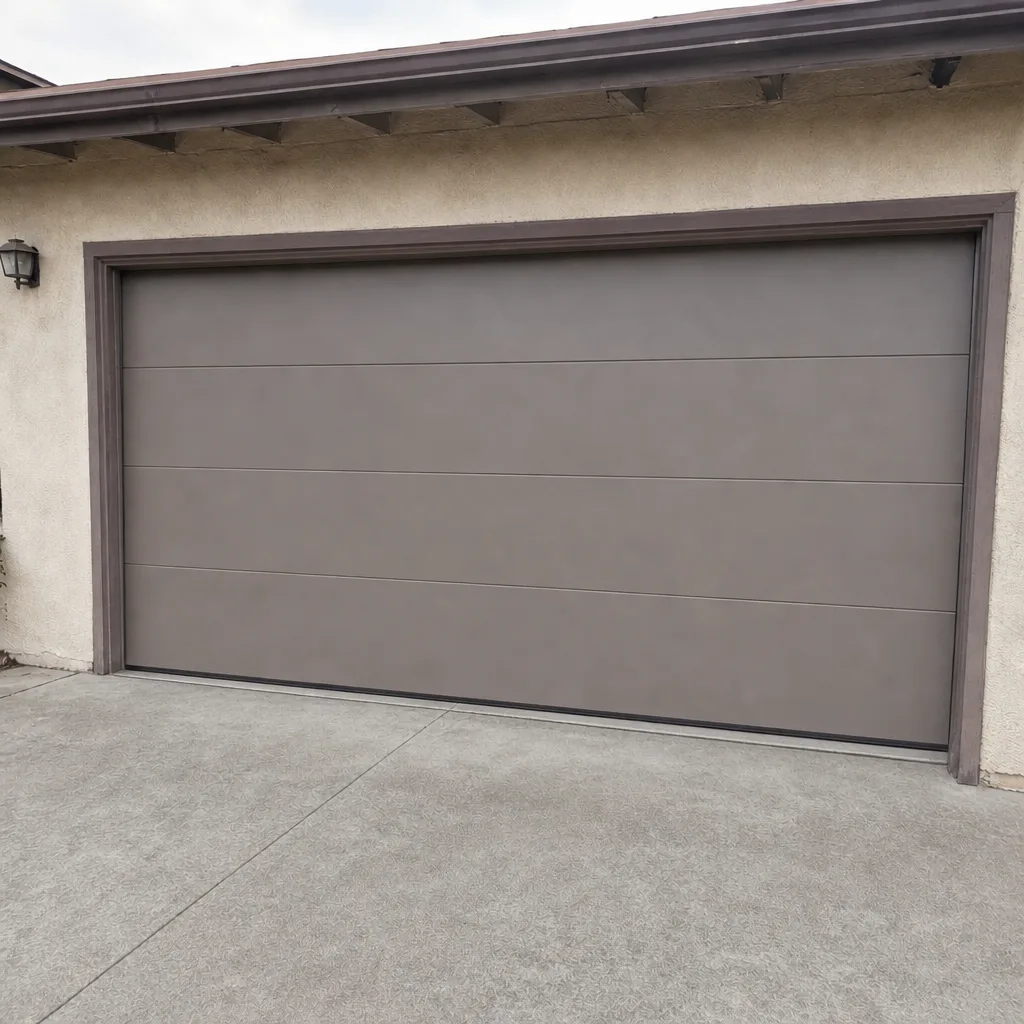
See the difference
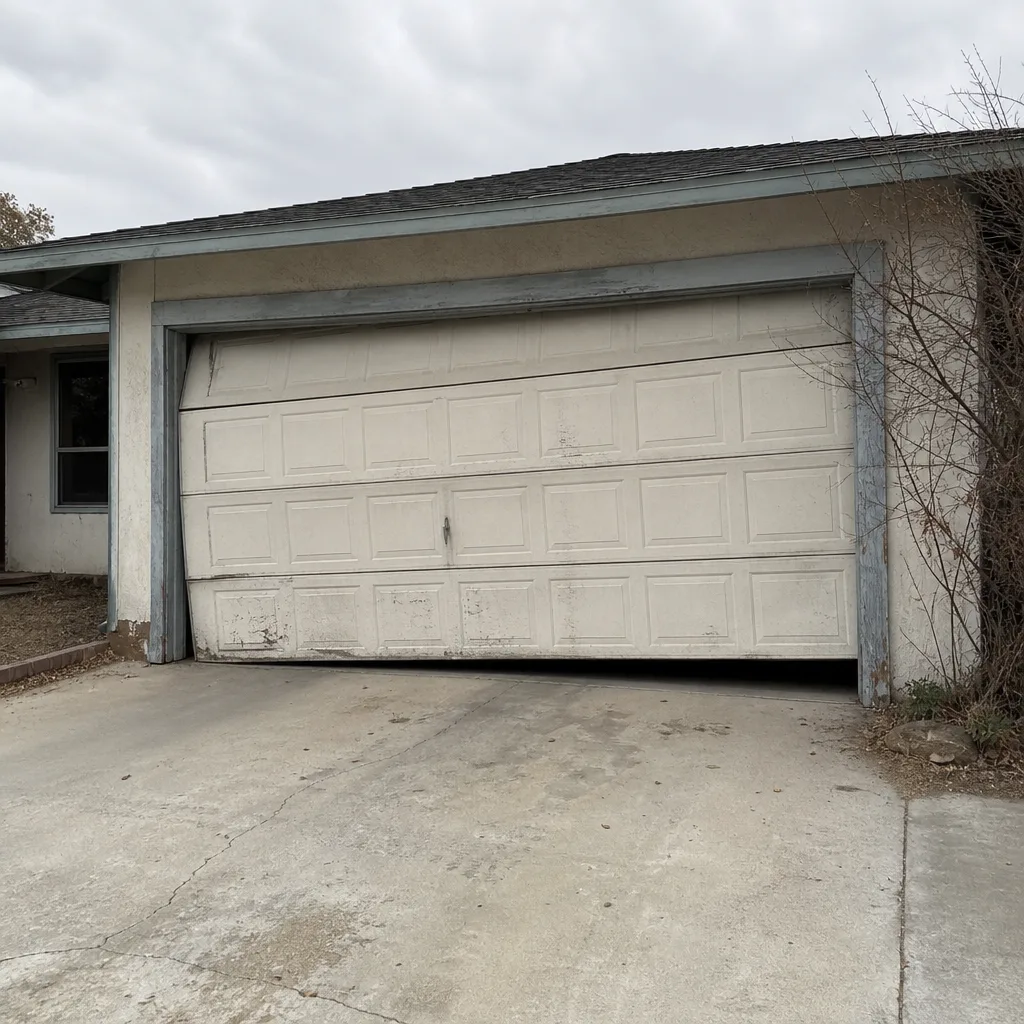 Before
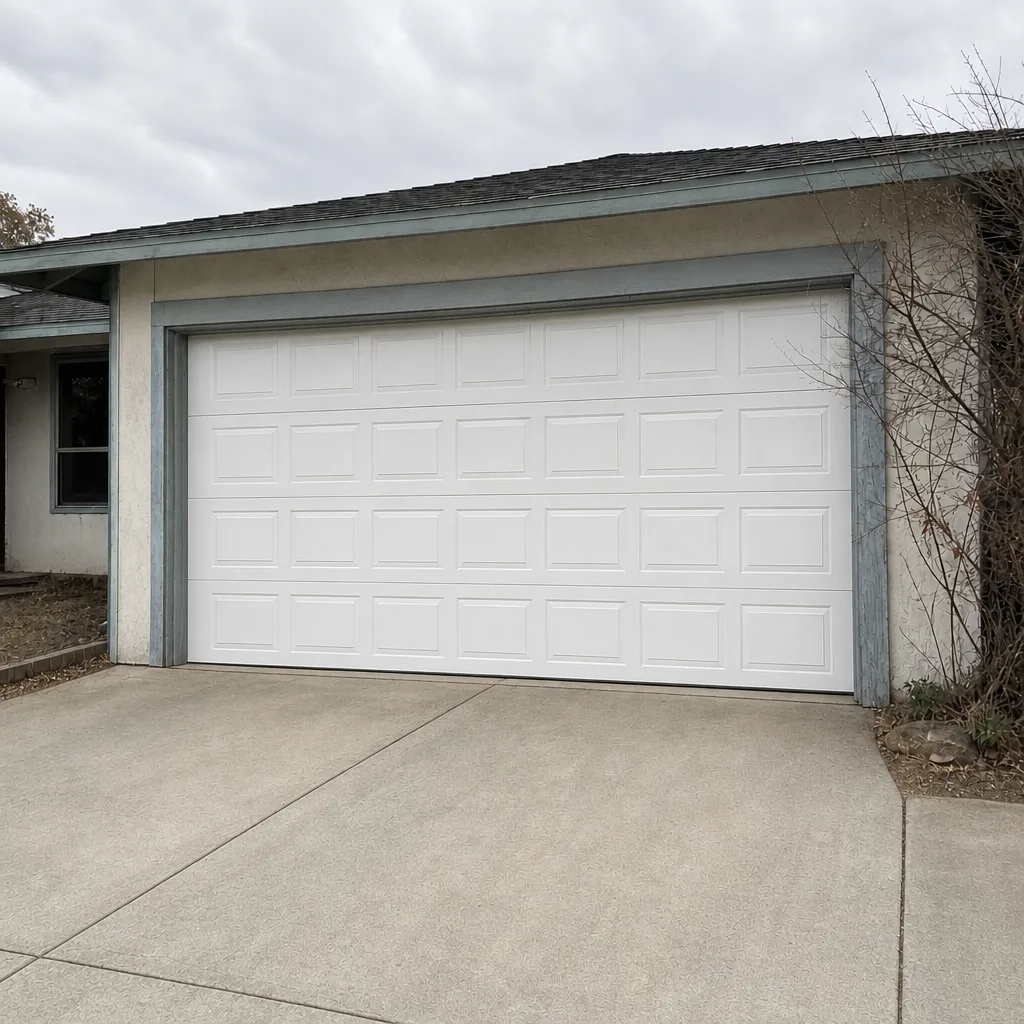 After
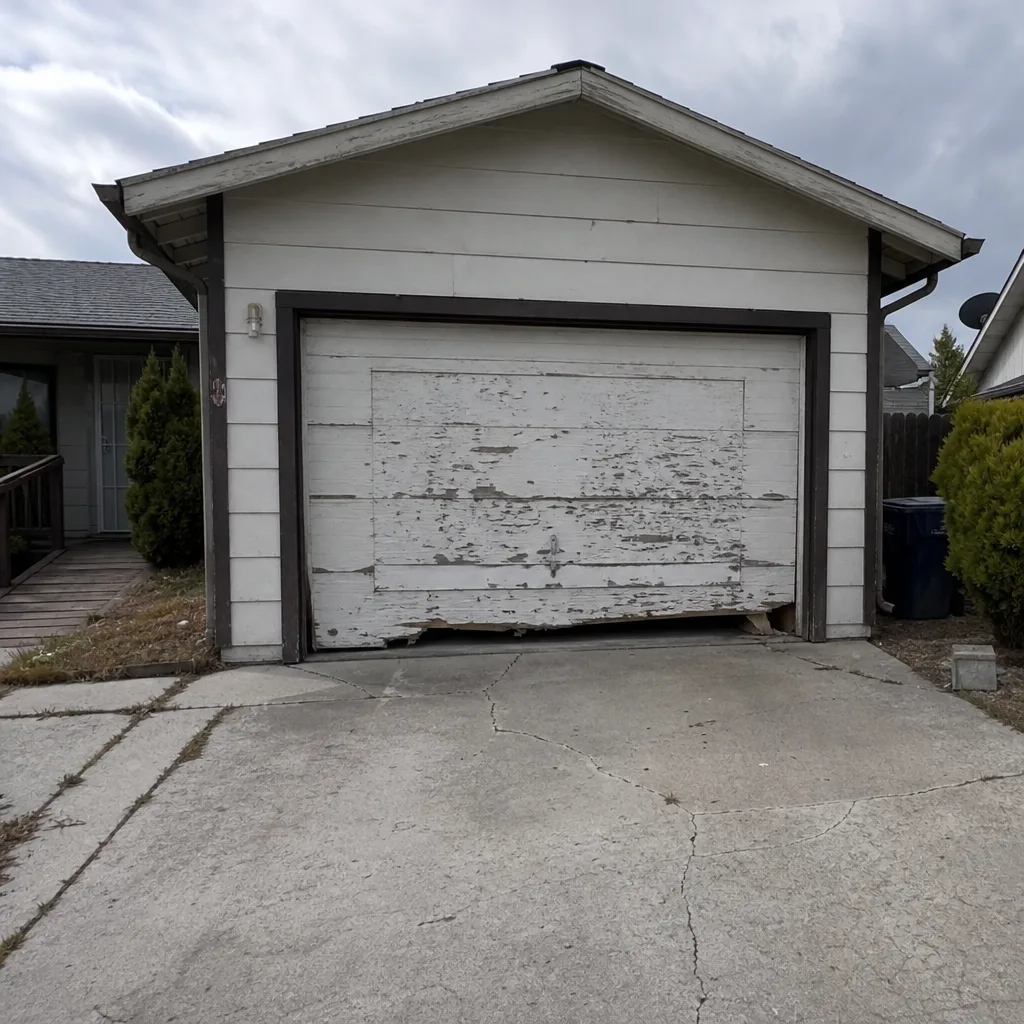 Before
 After
 Before
 After
When to Call a Professional
Some garage door work is manageable as a homeowner. Replacing weatherstripping, painting the door, and cleaning the tracks are within reach. The moment the work touches the spring system, the structural header, the cables, or the electrical side of the opener, it belongs to a trained technician. High-tension springs under load can cause serious injury, and a door that drops because a cable was improperly released doesn’t stop for anyone. Electrical work on an opener is its own hazard. If your door is unbalanced, banging, or the opener is straining, the problem may not be what it appears and it needs a diagnosis before anyone touches it.
Northwind Garage Door Repair offers free estimates in Enterprise. We handle the full scope from diagnosis through installation and we work with the county permit process. Call (888) 915-1004. We answer 24/7. Fast dispatch from 7am to 7pm, Sunday through Friday.
Frequently Asked Questions
It depends on the scope. A like-for-like replacement in the same opening may be exempt under Clark County code, but any change to the door’s size, weight, spring type, or structural attachment typically requires a permit from Clark County Building Division. Confirm your specific scope directly with the department before ordering a door.
Clark County Building Division, because Enterprise is unincorporated Clark County and has no municipal building department of its own. Applications are submitted through the Clark County online portal, and inspections are scheduled through the county after the permit is issued.
Yes. HOA architectural approval and county permit approval are separate processes. The county reviews structure, safety, and code. The HOA reviews appearance and community standards. A door can be fully code compliant and still violate HOA architectural rules, so get HOA approval before ordering.
Unpermitted work can affect an insurance claim and will typically surface at resale when a buyer’s inspector notes the alteration. The remedy is usually to go back to Clark County Building Division and start a permit application retroactively, which may include an inspection that reveals issues that need correction. It’s easier to permit the work correctly the first time.
Inspectors check the structural header for load capacity, the spring system for proper weight match and door balance, the opener for UL listing and functional safety reversal, the track and attachment for alignment, and egress compliance for the door from an attached garage into the home.
It affects how fast components wear. Heat cycling accelerates spring fatigue and stresses track alignment, and dust infiltration wears opener mechanics faster. On a new installation, use rated springs matched to the door weight and confirm the opener is UL-listed. That keeps the door compliant and reduces the chance of a failed inspection when the work is complete.
The Bottom Line
Enterprise is unincorporated Clark County, and that one fact governs everything about garage door permits here. Clark County Building Division is the permitting authority, not a city. Like-for-like replacement may be exempt, but any change to size, weight, or structure triggers a permit requirement. HOA approval is a separate step, and getting it before the door is ordered saves real time and money. Inspectors check the header, spring balance, UL-listed opener, and egress, and they are looking at those things for good reason. If you’re planning a garage door replacement in Enterprise, call Clark County Building Division directly to confirm your scope, and call us to handle the work. Northwind Garage Door Repair covers repair, garage door opener repair, and installation across LiftMaster, Chamberlain, Genie, and Raynor systems, so diagnosis and installation come from one crew. Free estimates. Upfront pricing quoted and agreed before any work starts. Call (888) 915-1004. We answer 24/7. Fast dispatch from 7am to 7pm, Sunday through Friday.
Written by the team at Northwind Garage Door Repair, serving Enterprise since 2018.