
Last updated November 14, 2026
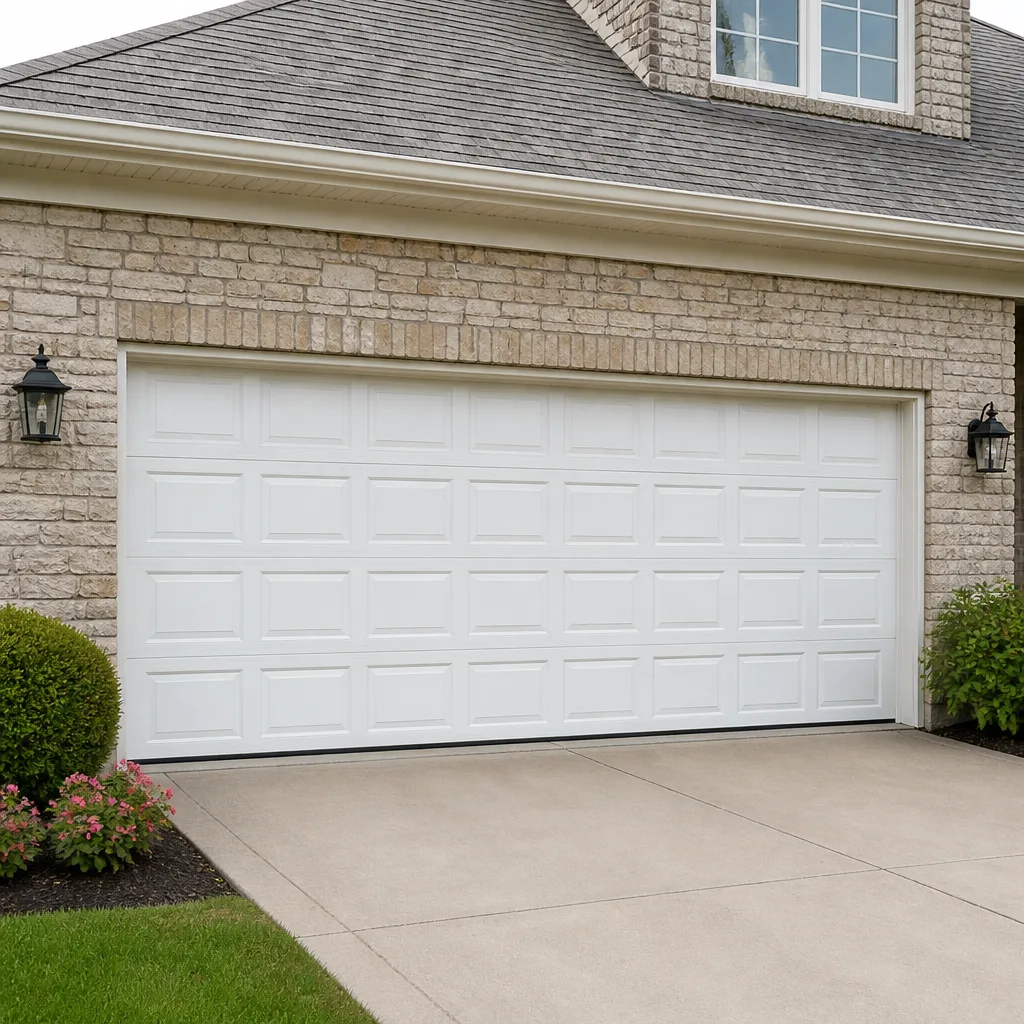 Raised-panel steel
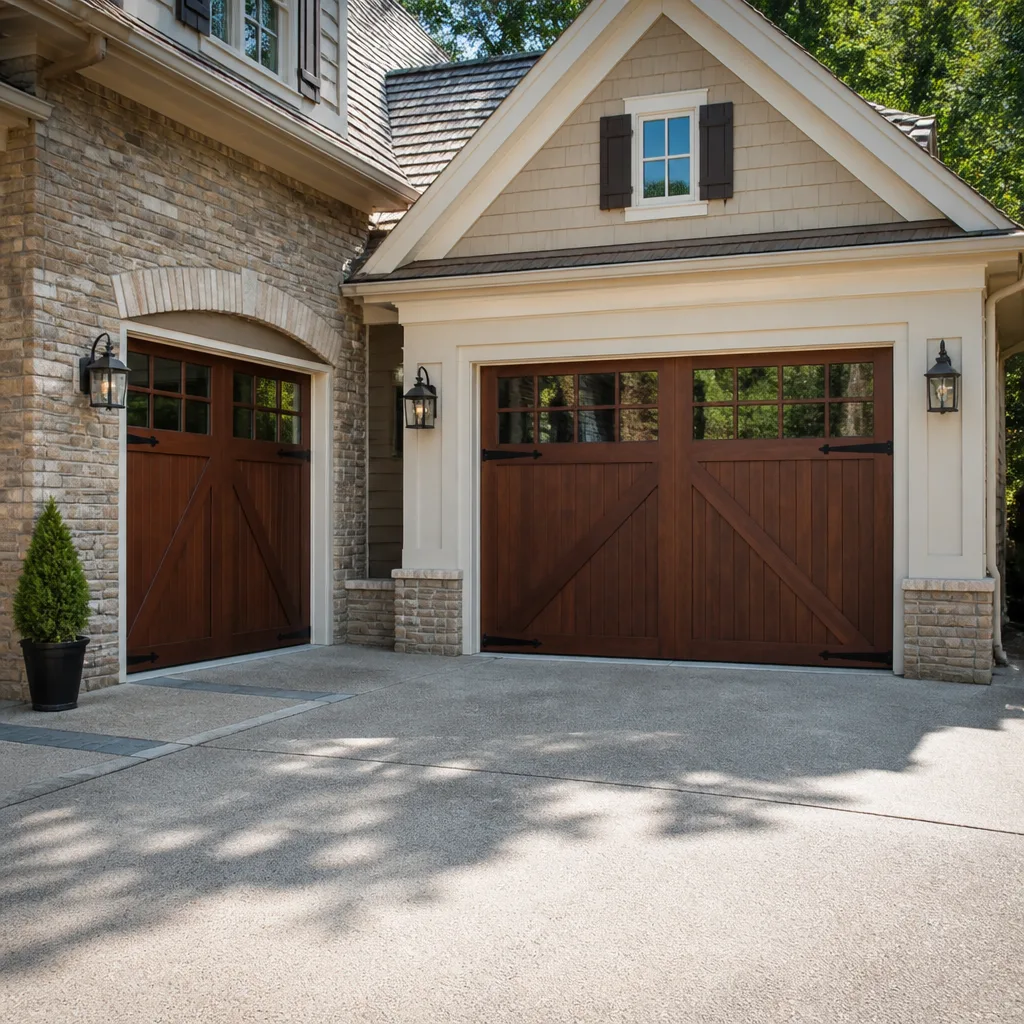 Carriage house
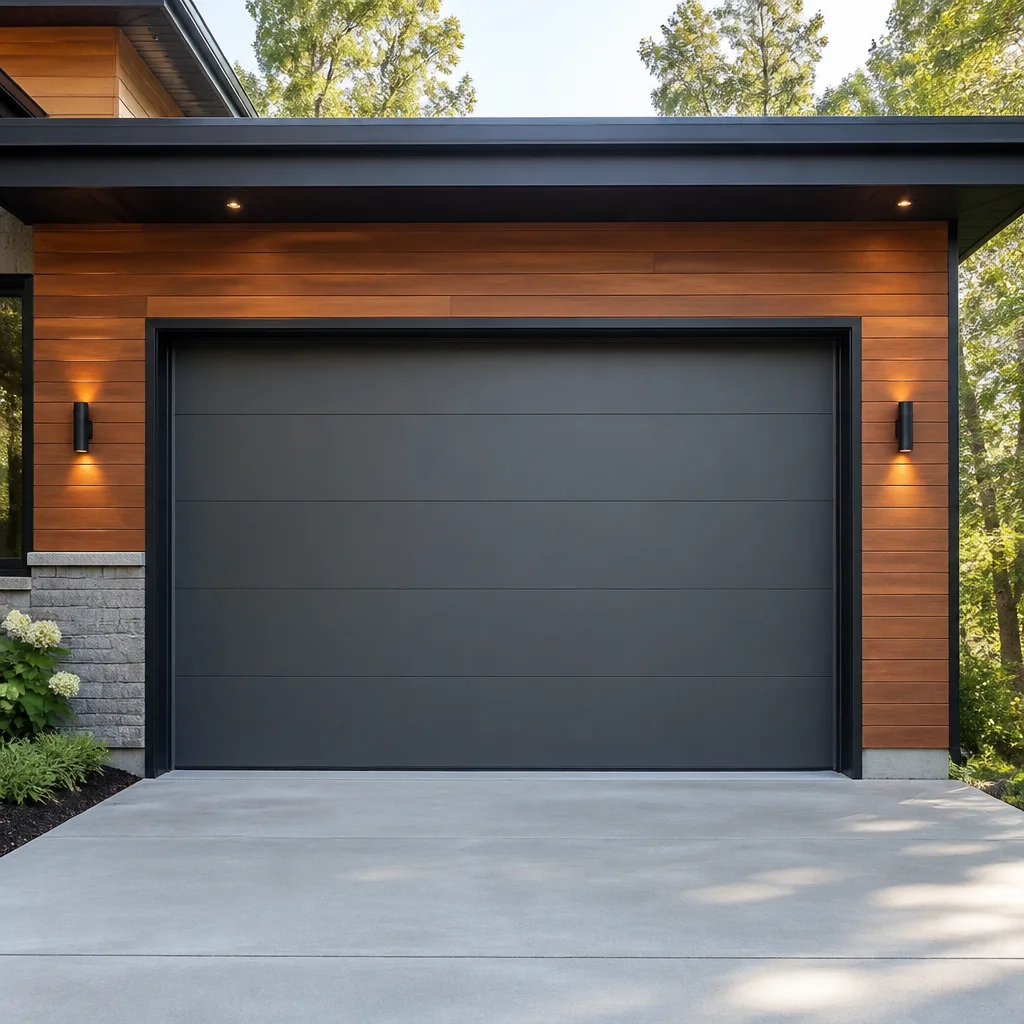 Modern flush
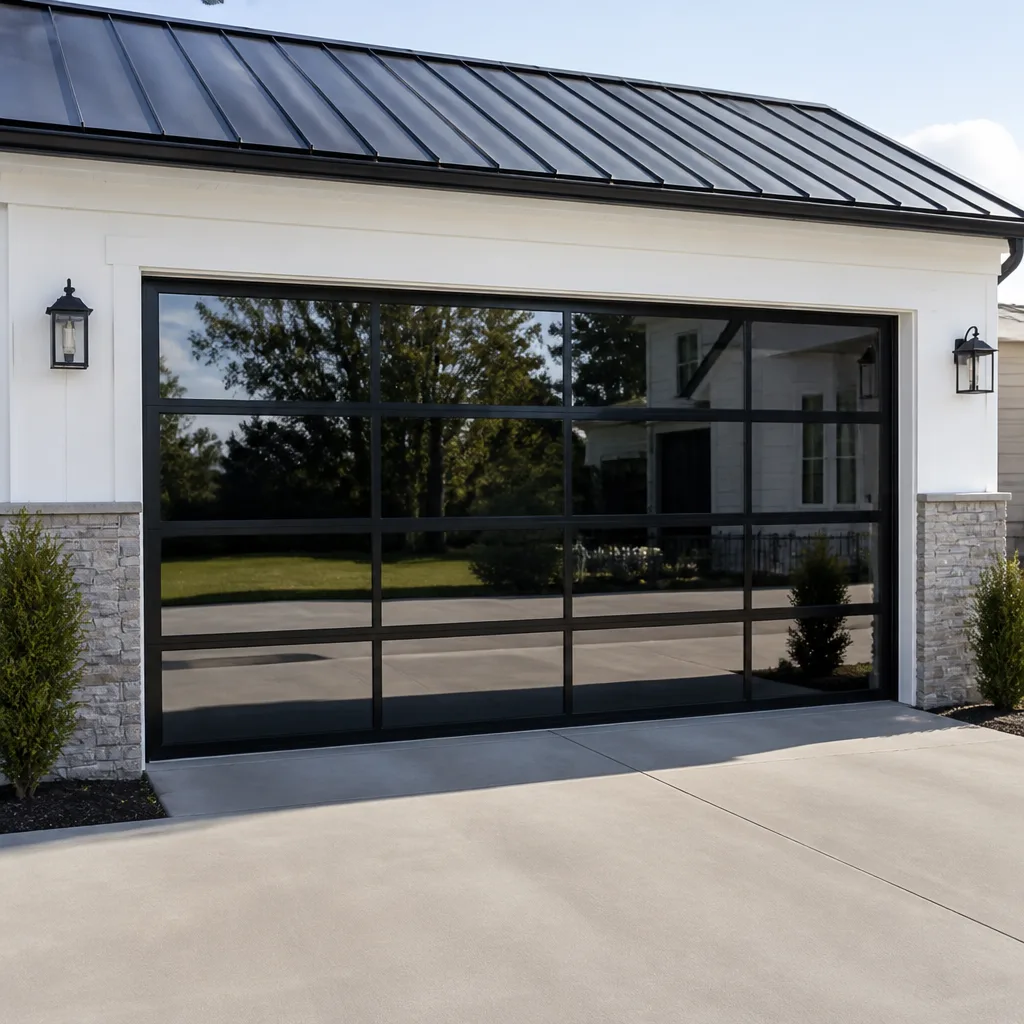 Full-view glass
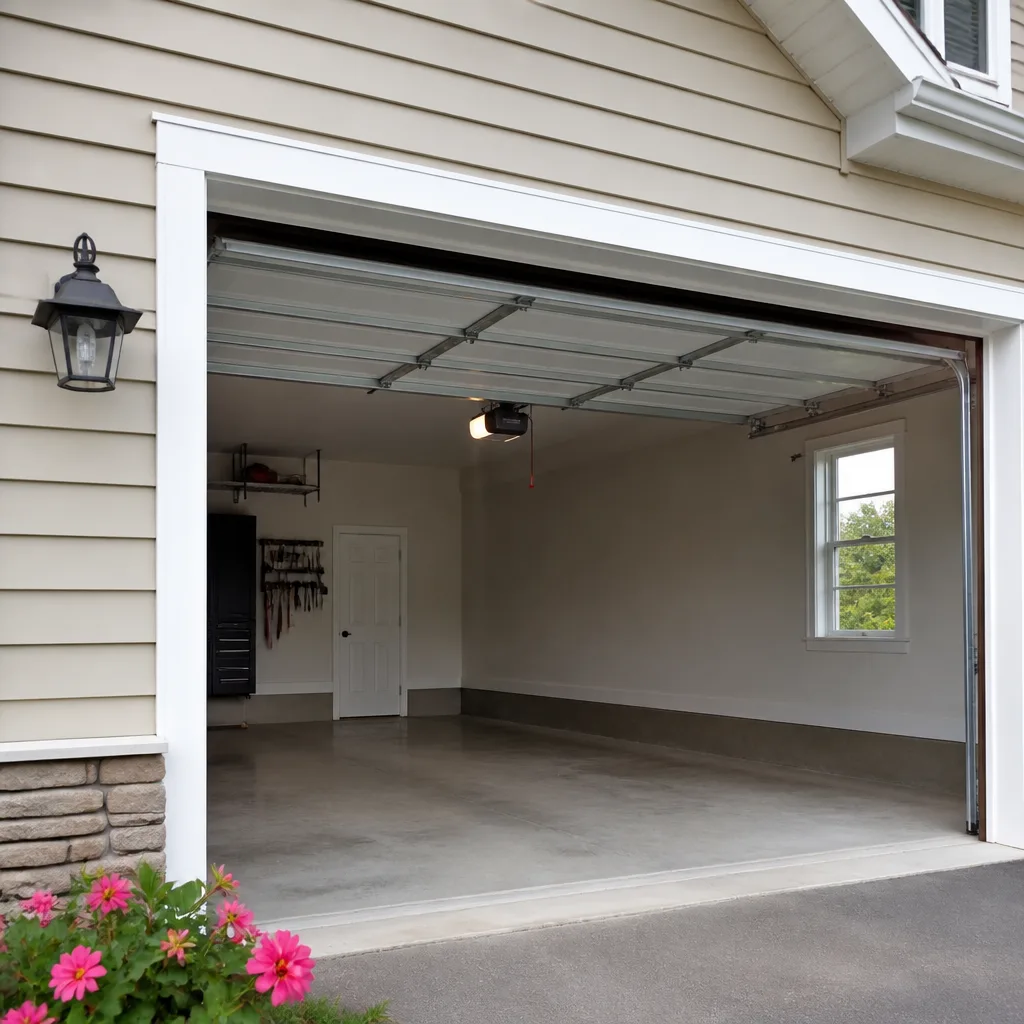 LiftMaster openers
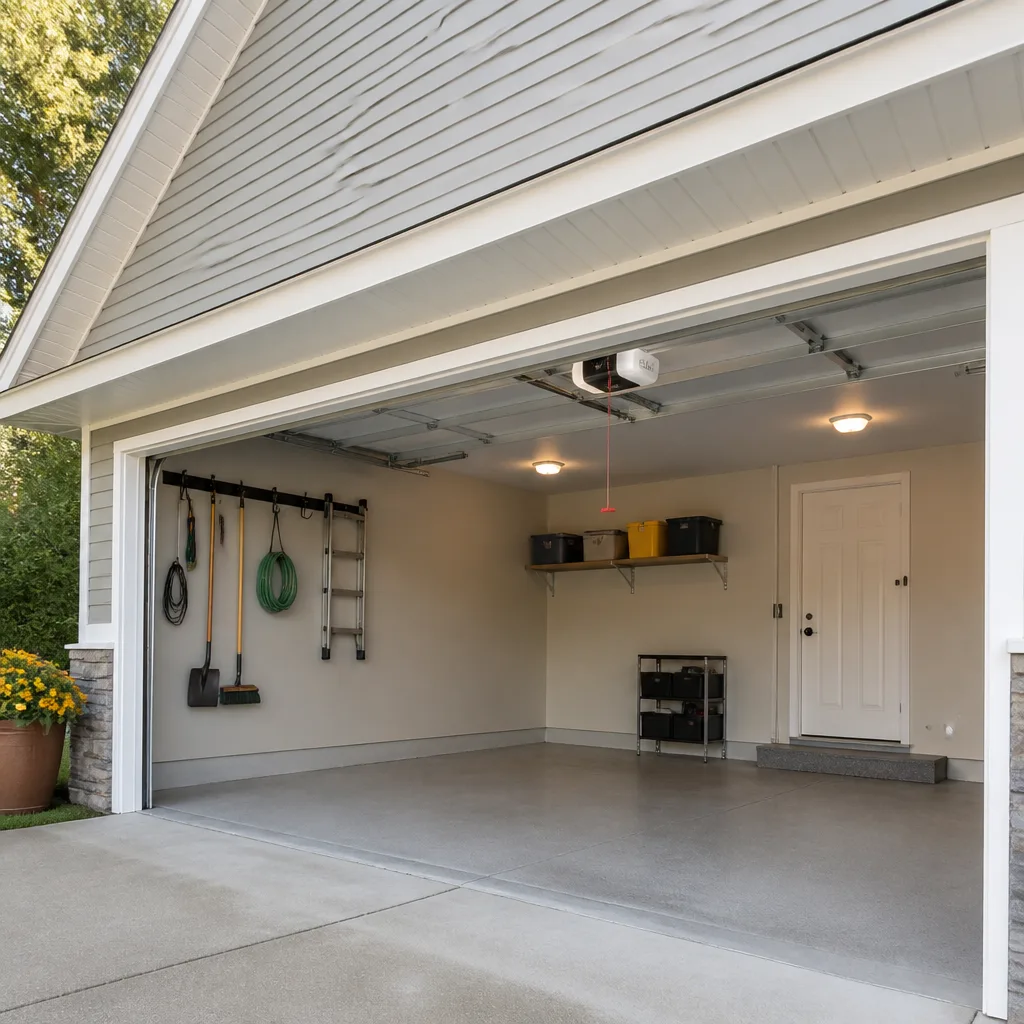 Chamberlain openers
Full 25-point door and opener safety check with every visit - springs, cables, rollers, tracks, and your LiftMaster or Chamberlain opener included
You get a price before we start. It does not change when the truck arrives.
Get your free estimateGarage Door Repair Troubleshooting in Enterprise: Common Problems and How to Fix Them
Here’s the thing most homeowners get wrong: when your door won’t open, your instinct is to look right at the door. But the majority of “broken door” calls aren’t door problems at all. More often than not, it’s a sensor knocked out of alignment, a circuit that tripped, or an opener logic board throwing a code. The door did nothing wrong. Still, we understand the frustration of a garage that won’t open: it’s your main entry point, and when it stops working the whole day stops with it. This guide maps every common symptom to its likely root cause, so you can figure out in two minutes whether you’re looking at a quick fix or a real repair. If you’d rather skip the detective work, garage door repair from our team is a free call in Enterprise.
Quick Answer
Most garage door problems fall into one of six failure categories: power, springs, cables, tracks, the opener motor, or the safety sensors. The fix depends entirely on which category you’re in. A door that won’t close usually points to sensor misalignment, while a door that won’t open often points to a dead spring, a snapped cable, or a power issue. In Enterprise, we see sensor problems more than anything. They cause no damage to the door, cost very little to correct, and clear up once you reset them.
Styles & brands we work with
- Raised-panel steel
- Carriage house
- Modern flush
- Full-view glass
- LiftMaster openers
- Chamberlain openers
Table of Contents
- How a Garage Door System Works: The Seven Moving Parts
- The Six Failure Categories: A Symptom-to-Cause Matrix
- When the Problem Is Power: Start Here First
- Springs and Cables: The Two Most Dangerous Failures
- Tracks, Openers, and Sensors: The Everyday Failures
- Brand-Specific Quirks That Cause False Alarms
- What’s Safe to Check Yourself and What Isn’t
- What to Have Ready Before You Call
How a Garage Door System Works: The Seven Moving Parts
A garage door looks simple from the street. Up close, it’s a chain of interdependent parts, and one weak link stops the whole chain. If you understand what each part does, you know which part a symptom is pointing to before anyone touches it.
The system breaks down like this:
- The door panels. These are the visible face of the door. They can crack, dent, or come loose from their hinges. On brands like Clopay and Amarr, the panels are usually the first visual clue that something is off.
- The torsion springs or extension springs. These counterbalance the door’s weight. Without them, the door would be almost impossible to lift. A failed spring makes the door feel like it weighs a ton.
- The cables. Cables run from the bottom corner brackets up to the spring drums. They keep the door level as it travels. A cable that slips off its drum is a hard stop.
- The track. The metal rails hold the door’s path along the ceiling and sides. A bent track means the rollers bind and the door stalls.
- The rollers and hinges. These let the door flex as it opens and closes. Worn rollers cause vibration and grinding noises.
- The opener motor. Mounted to the ceiling, this climbs the door along the track or pulls a chain or belt. It’s not built to lift the door on its own; it works alongside the springs, not in place of them.
- The safety sensors. These two small lights near the floor send a beam across the door opening. If anything interrupts that beam, the door reverses or refuses to close. They’re the most routine source of “won’t close” complaints.
If you can name which of those seven parts is involved, you already know whether you’re calling for a repair that takes five minutes or one that takes a proper diagnosis. That’s the difference between a calm call and a service visit that opens with a shrug. Most Enterprise doors sit in a garage that’s exposed to dry desert air and heavy temperature swings from day to night, and that combination wears the mechanical parts faster than a lot of homeowners expect.
The Six Failure Categories: A Symptom-to-Cause Matrix
You don’t need a flow chart or a repair manual. You need a matrix. Here’s what symptom you’re seeing maps to which failure category, and where on the scale of seriousness it sits.
- Nothing works, no lights, no sound. Category: power. The issue is likely upstream of the door entirely. Check the wall outlet, the opener’s circuit, and the remote battery first.
- Door is stuck halfway and won’t move up or down. Category: spring or cable. If one corner droops, a cable is the likely culprit. If the door is dead in the water and far heavier than usual, look at the springs.
- Door runs but reverses before touching the floor. Category: safety sensor. In our experience, this is the single most common false alarm. The beam is interrupted, or the sensor light isn’t steady.
- Door opens and closes but makes grinding or popping sounds. Category: track, rollers, or hardware. It’s often a bent rail, worn hinge, or failing roller. These tend to get worse if ignored.
- Opener motor hums but nothing moves. Category: opener motor, drive gear, or a bound door. If the motor hums and the door doesn’t, something in the drive or the door itself is jammed.
- Opener runs the door only with the wall button, not the remote. Category: opener logic, remote, or battery. The motor is fine, the signal isn’t.
This matrix alone prevents a lot of wasted visits. We’d rather you diagnose a sensor in your driveway than schedule a truck for a problem you can reset yourself. If the matrix leaves you unsure, that’s the point at which a same-visit diagnosis pays for itself. A technician identifies whether the door or the opener is the root before recommending anything.
When the Problem Is Power: Start Here First
Before anyone looks at springs or sensors, rule out the obvious. A lot of “the door won’t open” calls resolve entirely at the wall outlet. Here’s the order to check, and this is the one part of the system you can safely inspect without touching any moving hardware.
- Look at the opener’s lights. If the motor is silent and the ceiling lights on the opener are dark, the opener has no power. If the lights are on but the motor refuses to move, the opener has power and the issue is elsewhere.
- Check the wall outlet. The opener usually plugs into a dedicated ceiling outlet. Are other items on that circuit working? Does the outlet feel loose?
- Check the breaker. A tripped breaker is easy to miss. If it flipped once, the question is why. An opener drawing more current than it should is a sign of a failing motor or a jammed door.
- Check the wall console and remotes. If the door responds to the wall button but not the remote, the problem is the remote or the opener’s receiver, not the electrical supply.
- Press the manual release. Pulling the manual release cord disconnects the door from the opener. If the door is then easy to lift by hand, the door is balanced and the opener is the problem. If the door is nearly impossible to lift, your springs are exhausted, and the opener is doing too much work. That’s a job for a professional.
In Enterprise, we see an issue here that’s less common elsewhere: garage doors and openers that run off a circuit shared with a dedicated workspace in the garage. When the workspace draws power, the opener cuts out. It’s worth checking which outlets share a circuit before scheduling a service call. If that doesn’t turn up anything, the diagnosis moves in one direction, and it usually stops at the opener. That’s where garage door opener repair comes in, and it’s a different drill than a door repair.
Springs and Cables: The Two Most Dangerous Failures
This is the section to read twice. Springs and cables are the parts of a garage door that can cause serious injury, and they’re the parts where a homeowner’s instinct to “take a look” is most dangerous. We’ll tell you how they fail and what to look for safely, but you’ll notice we’re not giving you a repair procedure. That’s deliberate.
There are two spring types. Torsion springs sit horizontally above the door, wound around a shaft. Extension springs run along the sides, above the tracks. When a torsion spring breaks, it usually makes a sharp, distinct bang, and you’ll find a gap of about an inch in one of the coils. The door will suddenly feel terribly heavy. An extension spring failure is louder and less subtle, sometimes sending parts toward the walls. A snapped torsion spring can look almost identical to a loose one until you know what to inspect. The tell is the tension marks: two small reference lines painted on the spring coils. On a healthy spring, those lines line up and stay in place the entire time the spring holds tension. Once it snaps, the lines separate, and the coil visibly splits.
For cables, the visual signs are a slack or off-track cable on one side, or a door that hangs visibly lower on one corner. Cables under tension are a hands-off diagnosis. Never try to re-seat a cable or lift a door with a broken spring. The torsion shaft stores an enormous amount of energy. A trained professional uses the right tools and the right winding procedure for that job, and that procedure is not something you can safely improvise in your garage.
We’re not telling you this to sell you a repair. We’re telling you because we’ve seen the alternative. If you’re in Enterprise and the door is heavy, sagging at one corner, or made a loud bang, stop here: that’s a professional call, and it’s safer to have someone come out and identify the exact failure before you touch anything.
Tracks, Openers, and Sensors: The Everyday Failures
These three are the most tractable problems a homeowner can track down, and they’re the cause of most “my door acting up” calls. They’re also where a little DIY knowledge saves a service visit.
Tracks. Tracks are bent out of shape, crossed by a roller, or filled with grit. A bent track is rarely something you can fix without the right tools; a dirty track you can clean with a dry rag. If the door rattles, binds, or stalls in the same spot every cycle, the track is a suspect.
Sensors. The two sensor eyes sit near the floor at either side of the opening. Each has a small LED: one should be a steady light, not flickering or dark. If you see a flicker, something is interrupting the beam. A cobweb, a children’s toy, a leaf, or a strip of cardboard will do it. Clearing the beam and checking that both LEDs are steady solves most of these. If the sensor is physically knocked out of alignment, you can usually realign it by hand; the adjustment is simple and doesn’t involve removing anything.
Openers. A humming motor with a still door usually means the drive gear, belt, or chain is stuck, or the door itself is bound in its track. The opener is the strongest clue here, because it tells you whether the door moves freely or is fighting the motor. If the opener runs but the door stays put, pull the manual release and try the door by hand. That test tells you which side of the system has the problem.
A quick way to remember it: sensor problems are almost always a “won’t close” complaint, and opener or track problems are often a “won’t fully open” complaint. When you’ve isolated which of the three you’re dealing with, you’re already ahead of the phone call.
Brand-Specific Quirks That Cause False Alarms
Different brands fail in different ways, and a few of them generate calls for problems that aren’t problems at all. Our crews service Genie, Clopay, Amarr, Wayne Dalton, LiftMaster, Chamberlain, Craftsman, and Raynor, and part of the job is knowing which quirks belong to which brand. That knowledge is often the difference between a service visit and a two-minute phone fix.
- Chamberlain and LiftMaster openers use a blinking LED code system on the motor unit. A certain number of blinks maps to a specific fault, and homeowners often misread it as an error no one can fix. The blink pattern is actually a diagnostic message. When you call, count the blinks and mention the number.
- Genie openers have a slightly different remote-programming dance than the Wi-Fi-connected LiftMaster and Chamberlain units, and the difference trips people up. A remote that “stopped working” after a power outage is often just a reprogramming issue.
- Clopay and Amarr doors are built around panel systems, and a door that’s a little off-level can be a panel alignment problem instead of an opener problem. It’s easy to blame the motor when the door panels are the actual culprit.
- Wayne Dalton doors sometimes use a hinge and track setup that behaves differently from others when the door is misaligned. The same symptom on a Wayne Dalton door can point to a different part than it would on a Clopay.
This is the exact reason brand-agnostic diagnostics matter. When a repair company works across all eight major manufacturers, the diagnosis comes from what the door is doing, not from which brand the technician prefers to sell. If you’re in Enterprise and you’ve had a company tell you they can’t help with your specific brand, we’d like to hear about it. We’re able to source parts for those brands without special-order delays, which is why a call about a Clopay panel and a call about a Genie opener get the same quality of first-visit look.
What’s Safe to Check Yourself and What Isn’t
DIY has a place here, and that place is well-defined. Some checks are safe for anyone with a flashlight and five minutes. Others create genuine injury risk, and we’d rather you hand those off. Here’s the line.
Safe to check yourself:
- Whether the opener has power at the wall outlet.
- Whether the circuit breaker is tripped.
- Whether either safety sensor LED is flickering or dark.
- Whether the beam path is clear of objects and debris.
- Whether the remote batteries are dead.
- Cleaning the track with a dry rag.
- Reading the opener’s LED blink code.
Stop and call a professional for:
- A gap or split in the torsion spring, or extension spring parts hanging loose.
- A door that is extremely heavy to lift by hand.
- A cable that’s slack, off its drum, or hanging.
- Any visible damage to the torsion shaft or its winding drums.
- A track bent enough that the door binds or stalls.
- Any repair where the manual release won’t re-engage.
- The door coming down faster than it should, or not staying up.
That second list isn’t a scare tactic. It’s the boundary where the risk of a pinched finger or worse turns into a serious injury. The springs, the cables, and the torsion shaft store enough energy to hurt someone badly. A professional carrying the right tools isn’t being overly cautious; they’re being realistic. If nothing on the list fits, and the symptom is sensor-related or power-related, you can generally handle it.
What to Have Ready Before You Call
The fastest way to turn a service call from a look-see into a repair visit is to arrive with information. Here’s the short list we ask every Enterprise homeowner to keep in mind. It’s not complicated, and it usually takes less than two minutes to gather.
- Your door’s model number and brand. The brand is often on the opener housing and sometimes visible on a door label. If you can see it, tell us. If you can’t, no problem; we’ll identify it on-site.
- A symptom timeline. Did it fail suddenly, or over days and weeks? Did it start after a storm, a power outage, or a recent power cut? That timeline tells us whether we’re looking at wear, impact, or logic.
- What you’ve already checked. If you’ve already reset the sensors, tried the wall button, or checked the breaker, telling us saves a step.
- The last maintenance date, if you know it. A door that hasn’t been serviced in a couple of years and one that was lubricated recently have different likely causes.
- What the door does, not what you think it does. “It goes up about a foot and reverses” is more useful than “it’s broken.” Describe the motion, the sound, and whether it’s the door or the opener that starts it.
- Your call-back number and garage access. If we can reach the garage, that’s the most useful information of all.
That information turns a visit into a repair in one trip. It also means when we quote your job, the price is set by a written estimate before any work starts, so you know exactly where you stand. We don’t do the guess-and-charge routine here, and you should never tolerate it from anyone else.
Common Mistakes to Avoid
- Trying to force a stuck door up or down. Pushing the panel to help the opener along is how panels crack and how hinges snap. The opener is designed to work on a balanced door, and forcing it fights the mechanism.
- Confusing a snapped spring for a loose one. The two look almost identical at first glance. Check the tension marks on the spring coils. If the lines have separated and the coil has split, that’s a snapped spring, not a loose one, and it’s a stop-and-call situation.
- Assuming the door is the problem when it’s the sensor. In Enterprise, sensor misalignment is the most common reason a door won’t close. Look at both sensor LEDs before scheduling a service call.
- Ignoring a recurring blink code on the opener. Chamberlain and LiftMaster units flash a specific number of times to tell you what’s wrong. Count the blinks and mention it. Skipping that step can cost an unnecessary visit.
- Cleaning and lubricating the wrong parts. Lubricating your sensors or the spring coils is not helpful and can create a bigger mess. A dry rag on the track and the right kind of hardware attention on the hinges is what matters.
- Waiting until the door fails completely. A rattling door or a slow start is an early warning. In Enterprise’s dry air and big temperature swings, small issues grow faster than people expect.
- Calling a company that turns away your brand. If the company can’t service Genie, Clopay, Amarr, Wayne Dalton, or the others, you’re not getting a second opinion. You’re getting a handoff. A brand-agnostic shop saves you the round trip.
See the difference
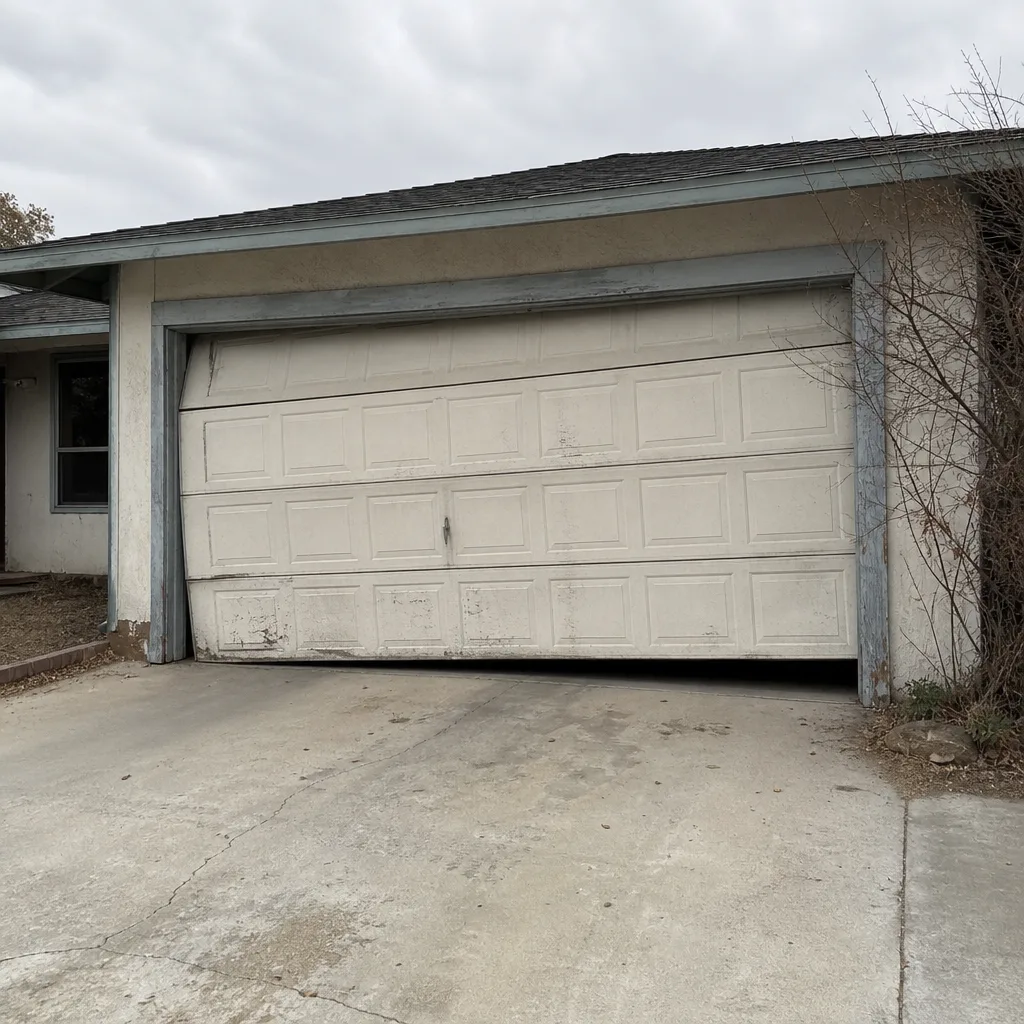 Before
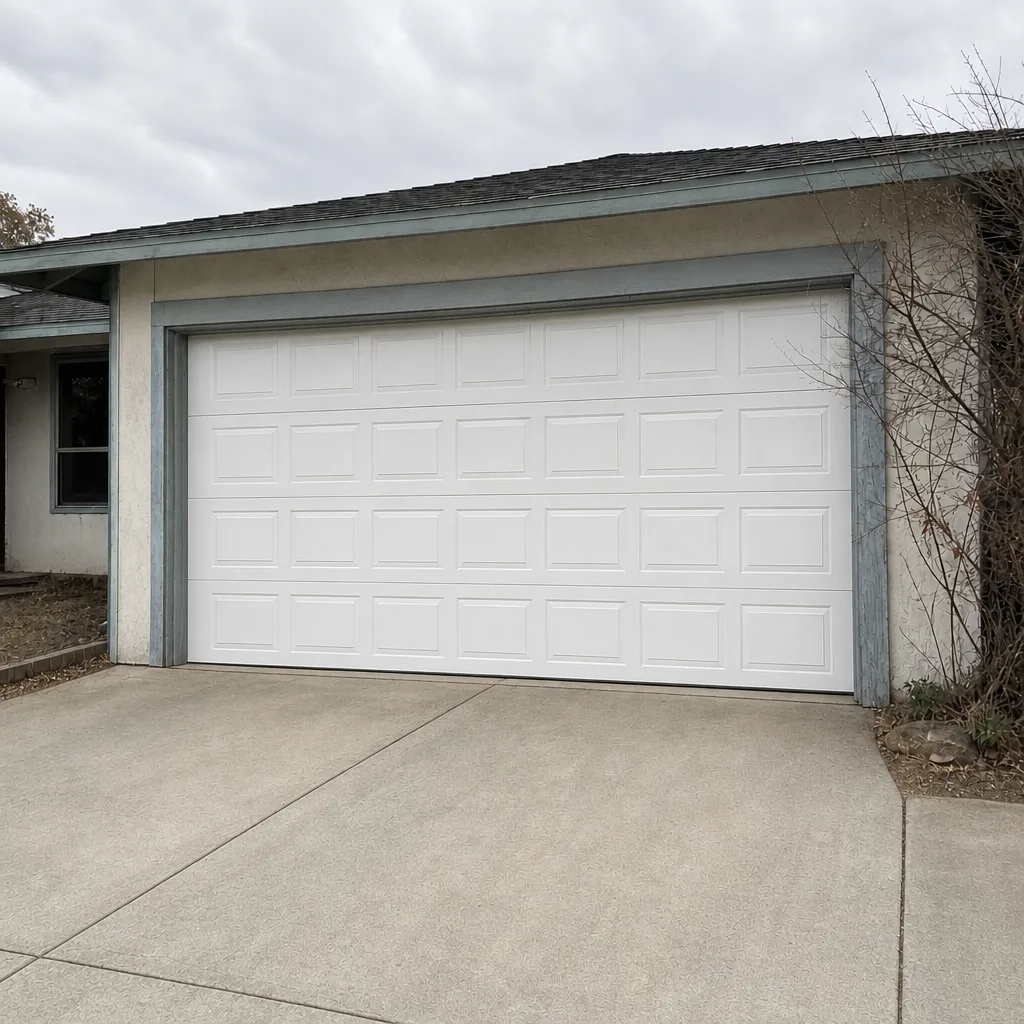 After
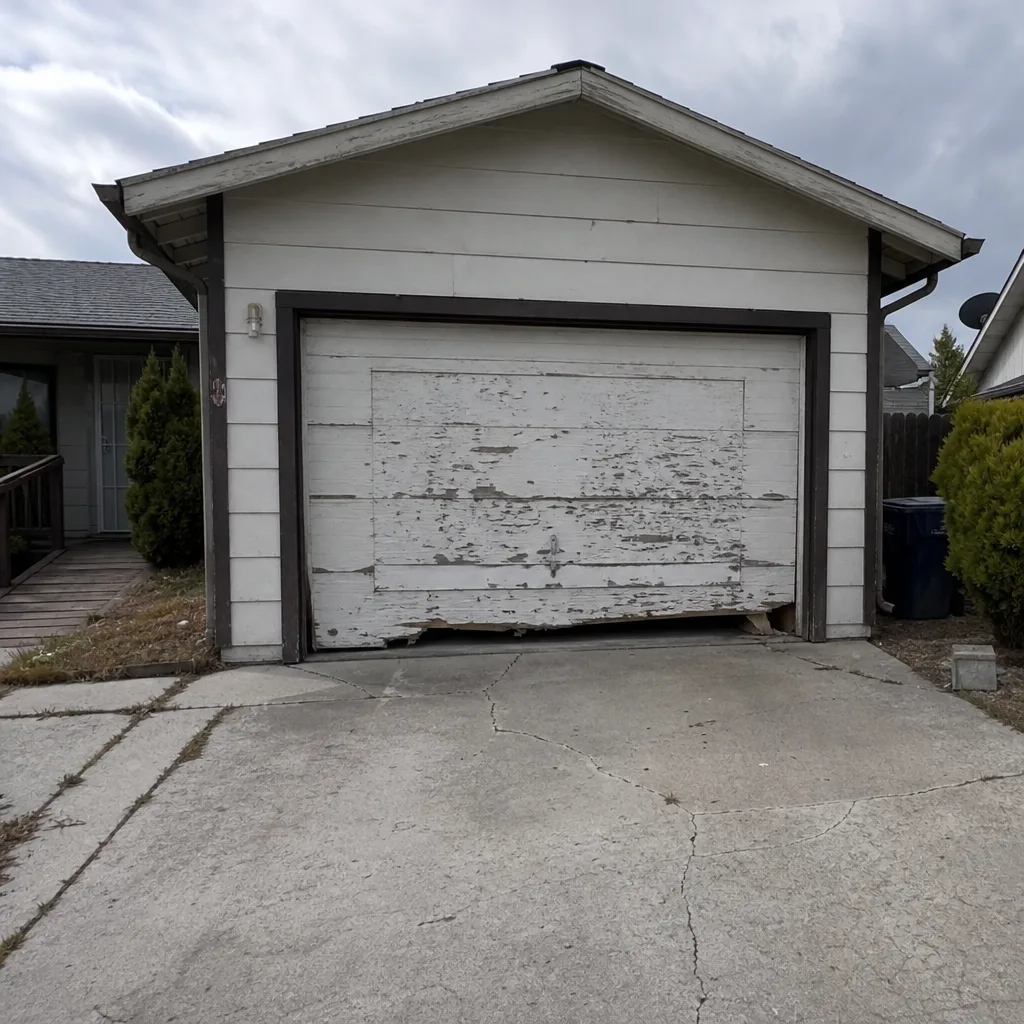 Before
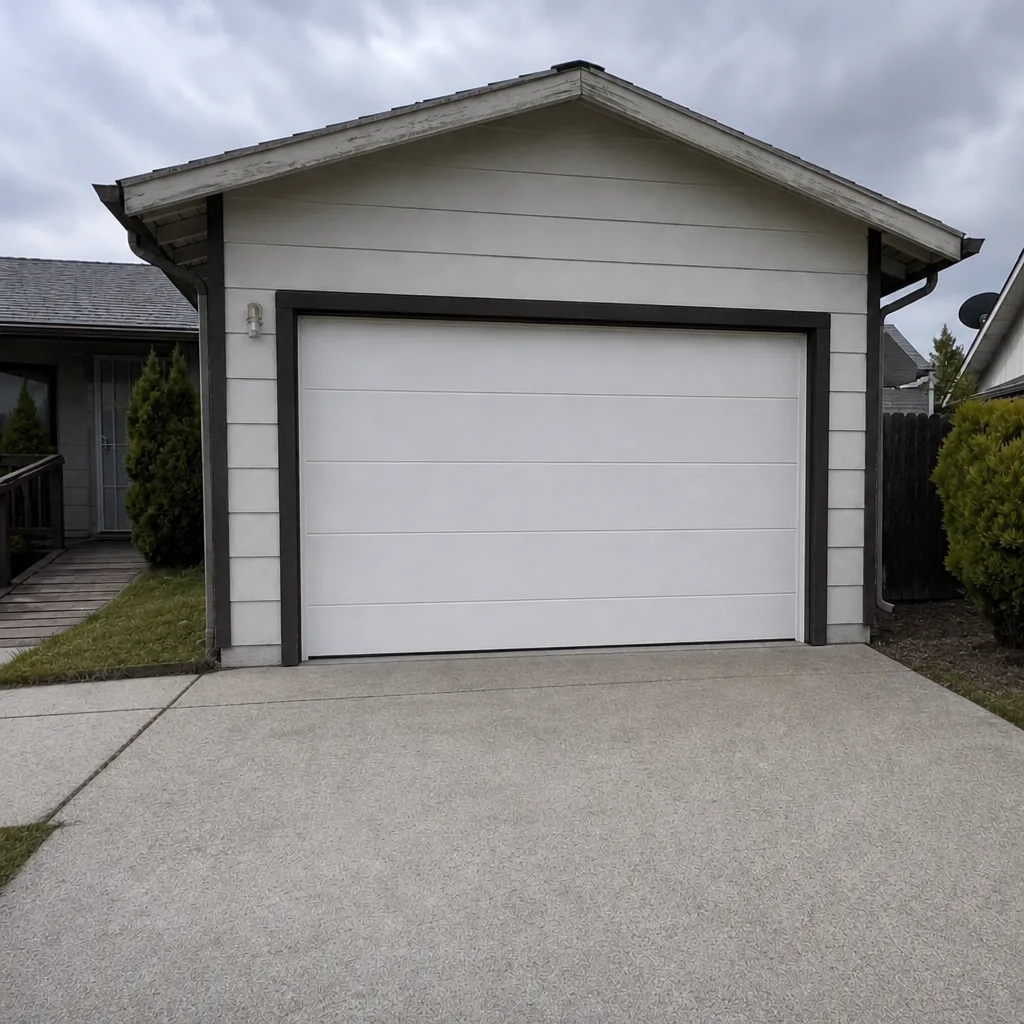 After
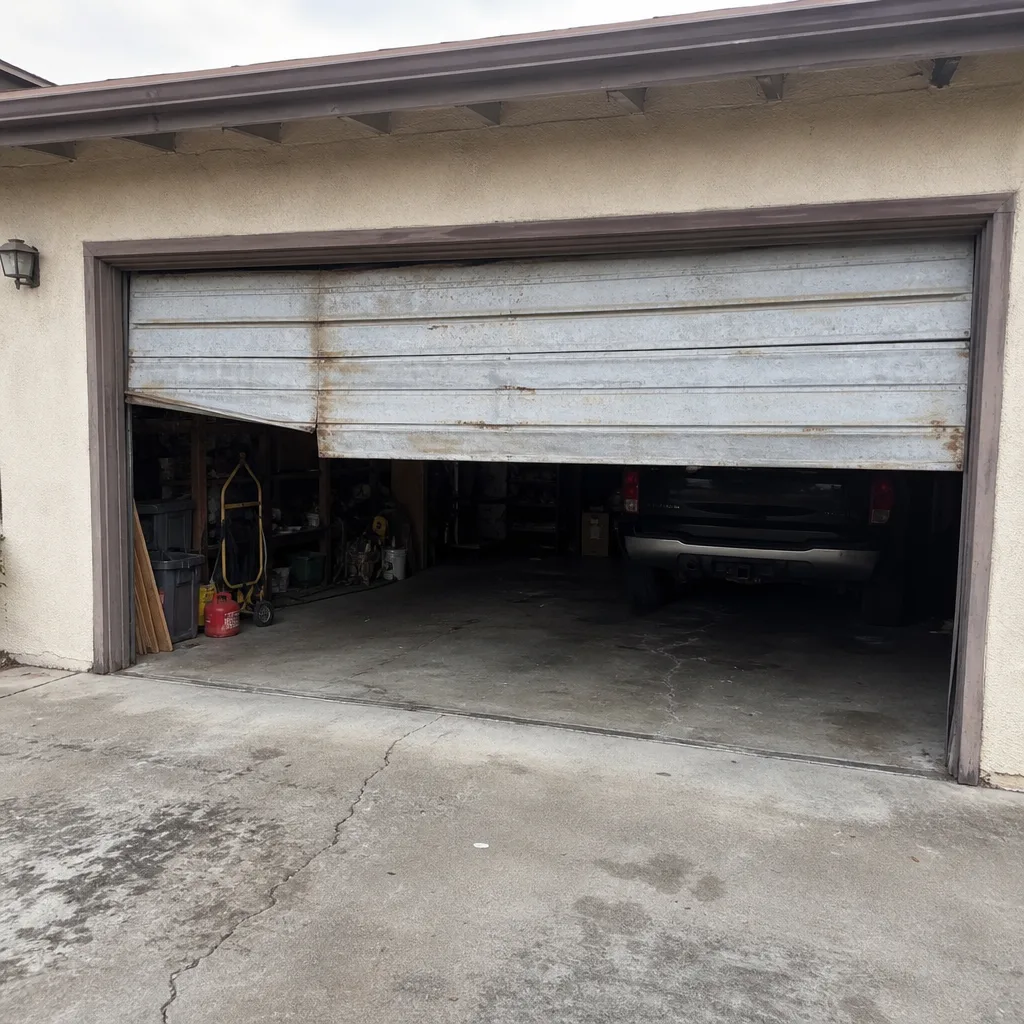 Before
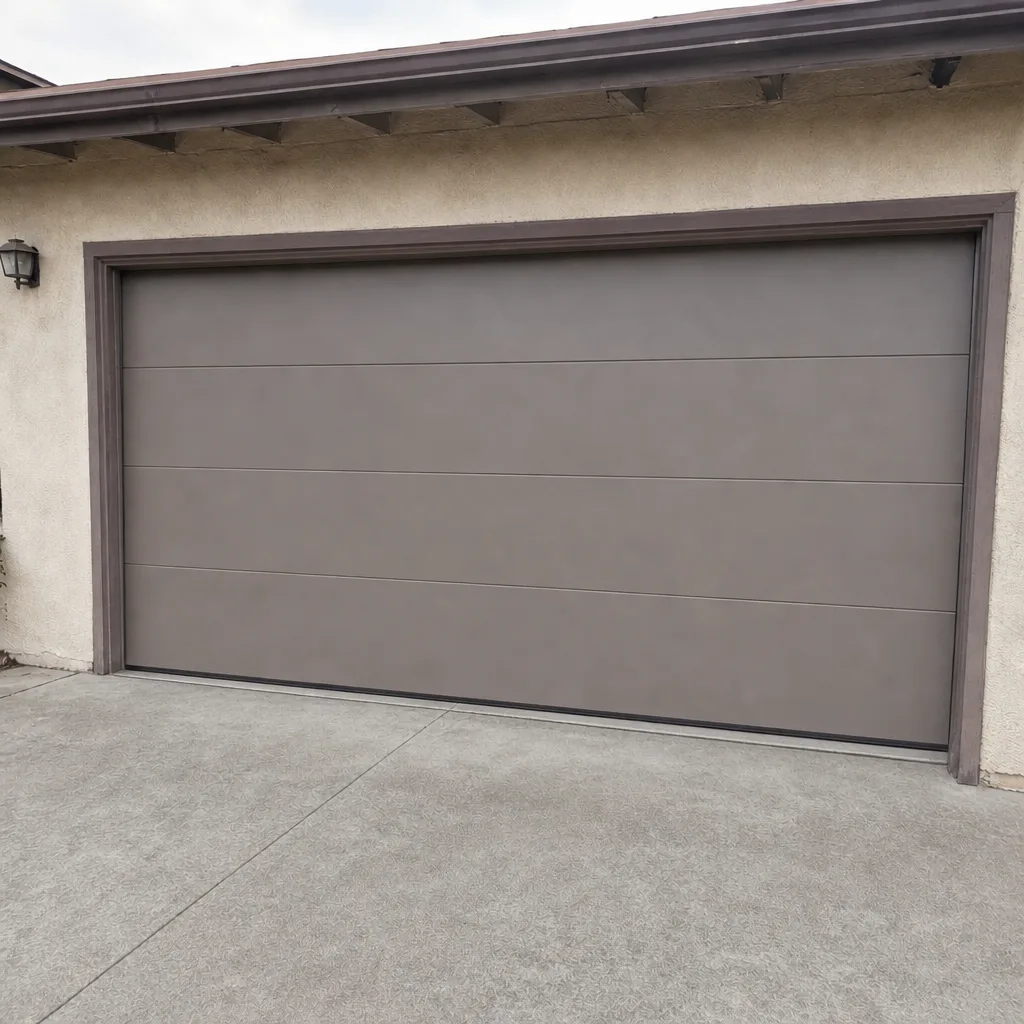 After
When to Call a Professional
Call a professional when the symptom fits a spring, a cable, a bent track, or a bound door. Those four are the scenarios where a garage door can hurt someone, and it’s not worth the risk. Also call when the opener keeps returning an error code, when a remote refuses to program, or when you’ve already tried the safe checks and the door still won’t behave. In Enterprise, Northwind Garage Door Repair offers free estimates and works across all eight of the major brands, so a first visit leads to a diagnosis rather than a guess. Call (888) 915-1004. We answer 24/7. Fast dispatch from 7am to 7pm, Sunday through Friday. If you’d like an overview of what our team handles across the area, you can start with Enterprise.
Frequently Asked Questions
If the door won’t close, the safety sensor is usually the culprit, and yes, check it yourself. Look at both sensor LEDs on either side of the opening: each should be a steady light, not flickering or dark. Clear the beam path of debris and confirm both lights are steady. If the door still won’t close, call (888) 915-1004 for an exact quote. Estimates are free.
A broken torsion spring shows a visible split or a gap in the coil, and the painted tension marks on the spring separate. A loose or worn spring still looks intact but the door gets progressively harder to lift. If you see a gap or separated marks, stop and call. Don’t try to wind or adjust a torsion spring yourself.
The blinking is a diagnostic code, not a malfunction alarm. On Chamberlain and LiftMaster units, the number of blinks maps to a specific fault. Count the blinks before you call and tell the technician the number. It saves time on the visit and points straight to the part that’s failing.
Usually yes. Grinding points to worn rollers, a bent track, or loose hardware, and those tend to get worse if ignored. It’s one of the more treatable problems in a garage door, so catching it early avoids bigger damage. Call us for a free estimate and we’ll identify which part is making the noise.
Very likely yes. We service Genie, Clopay, Amarr, Wayne Dalton, LiftMaster, Chamberlain, Craftsman, and Raynor, plus opener lines from several of them. We source parts for those brands without special-order delays, so a company that turned away your door is exactly the kind of call we want to hear about.
The estimate is free. The price of the repair itself is set by a written estimate before any work starts, so there’s no surprise invoice after the job. Call (888) 915-1004 to book a visit. We answer 24/7. Fast dispatch from 7am to 7pm, Sunday through Friday.
The Bottom Line
Most garage door problems sort into six categories, and knowing which one you’re in tells you immediately whether it’s a five-minute fix or a professional call. Check the power first, check the sensor lights second, and treat springs, cables, and bent tracks as the stop-and-call cases. Understand your brand’s quirks, because a blinking charger or a programmable remote isn’t a real failure. Keep your model info and symptom timeline handy, and you’ll turn a service call into a single diagnostic-and-repair visit. That’s the real win in Enterprise, and it’s the way a garage door should be handled: Northwind Garage Door Repair identifies the problem before recommending a fix.
Written by the team at Northwind Garage Door Repair, serving Enterprise since 2018.