
Last updated November 14, 2026
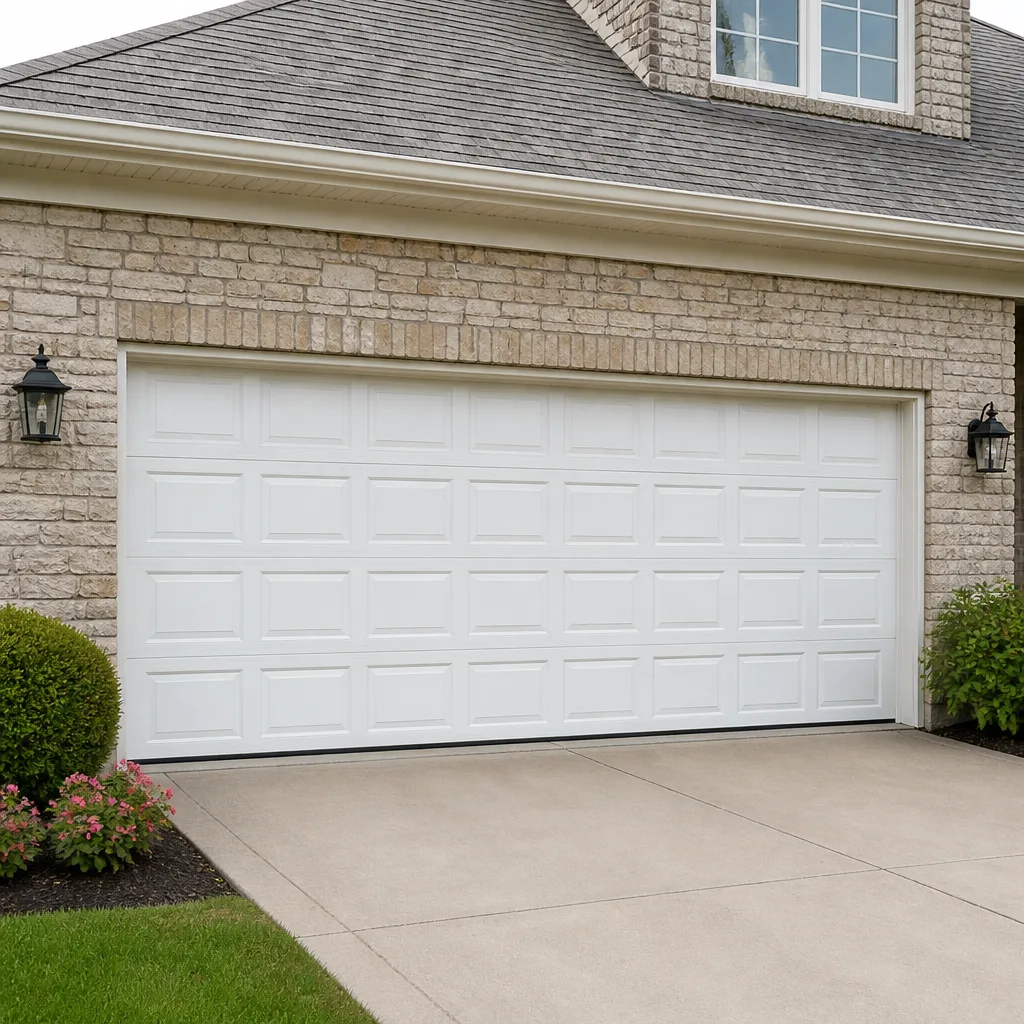 Raised-panel steel
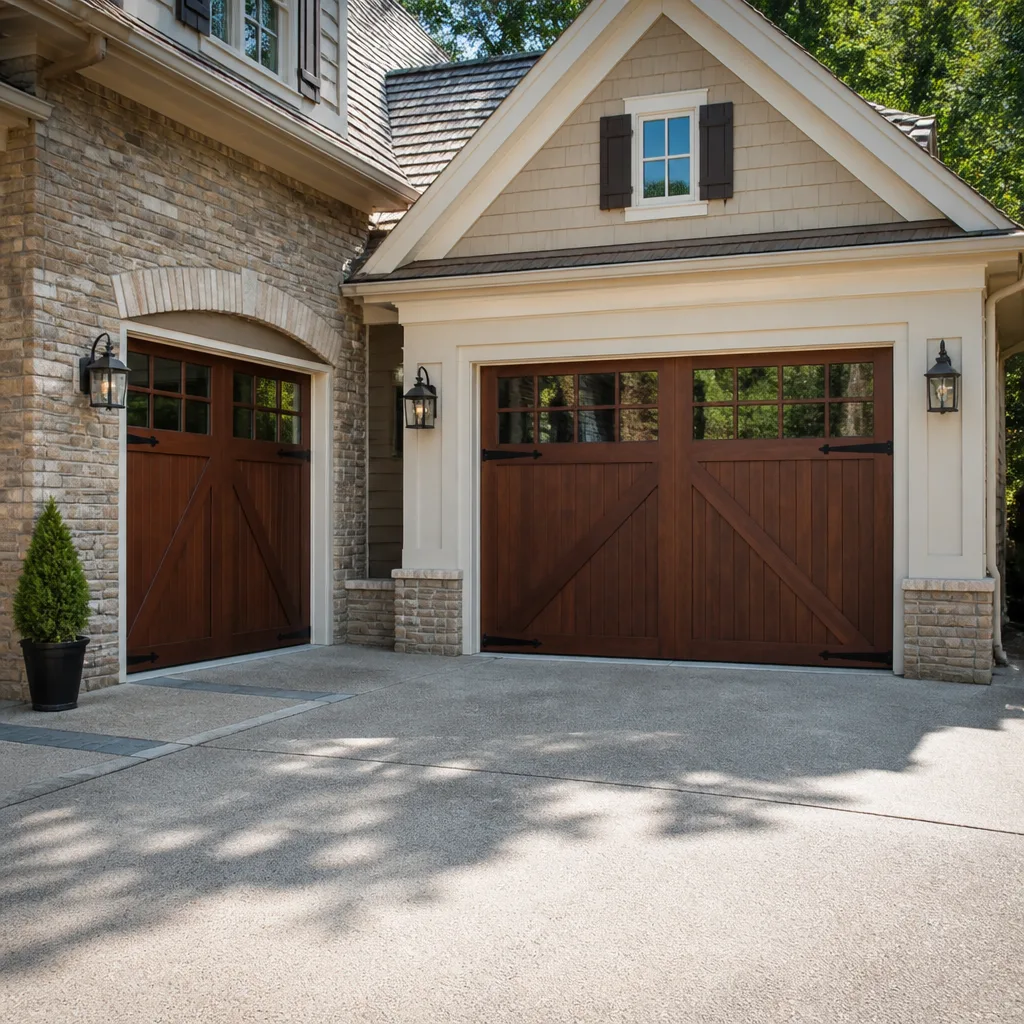 Carriage house
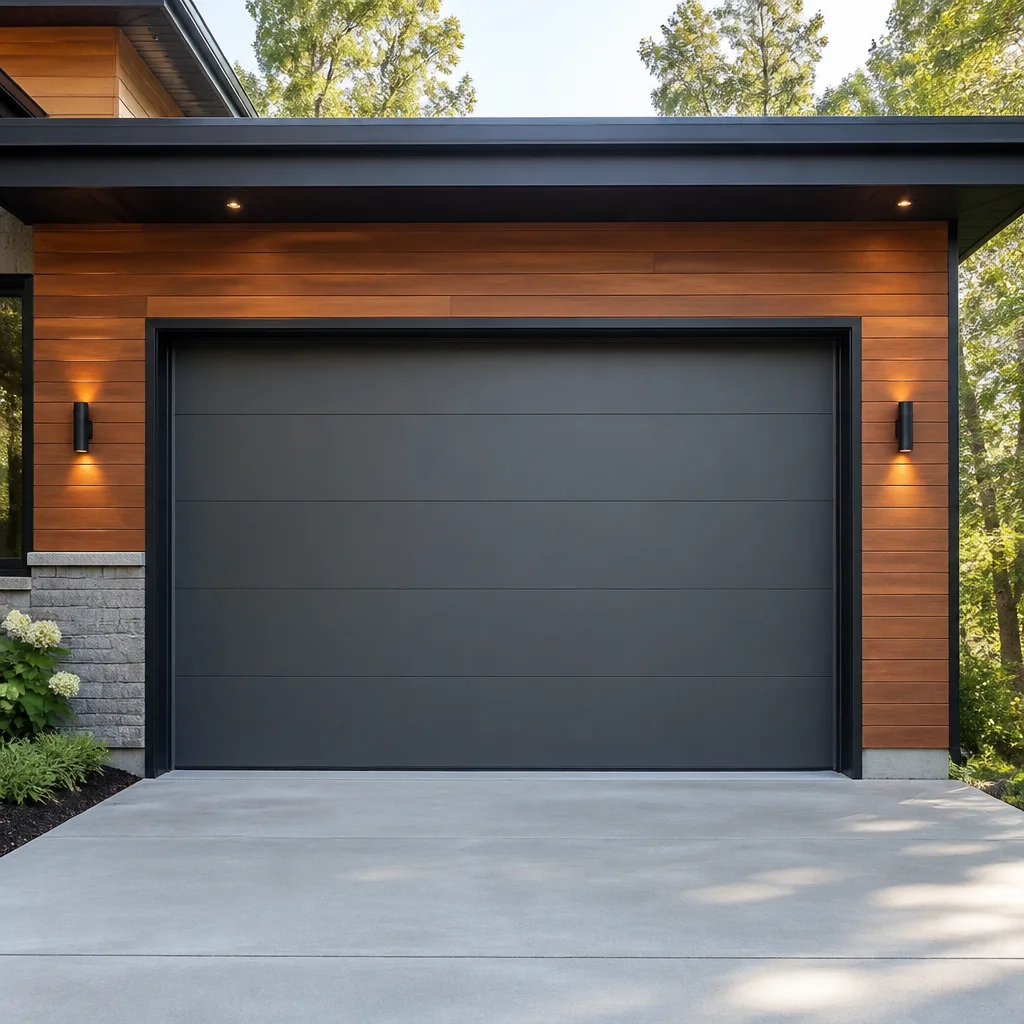 Modern flush
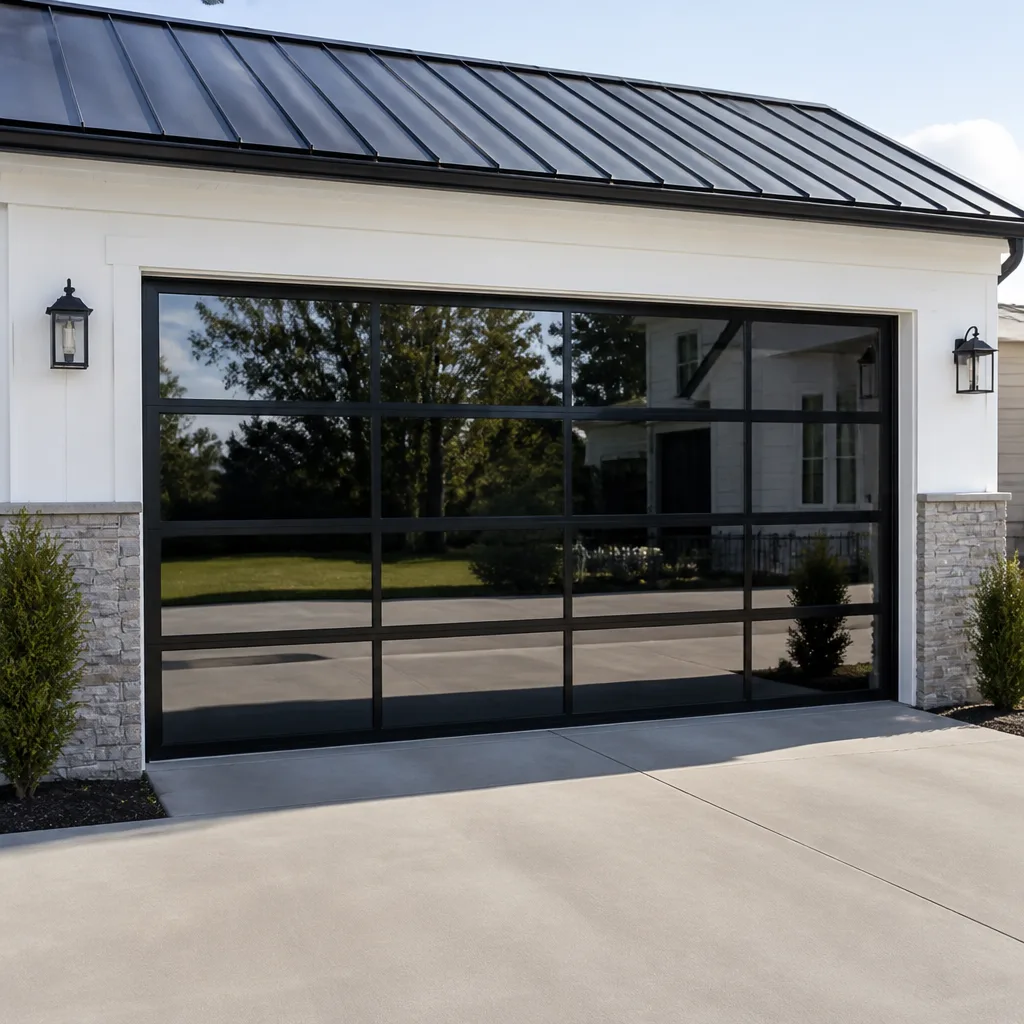 Full-view glass
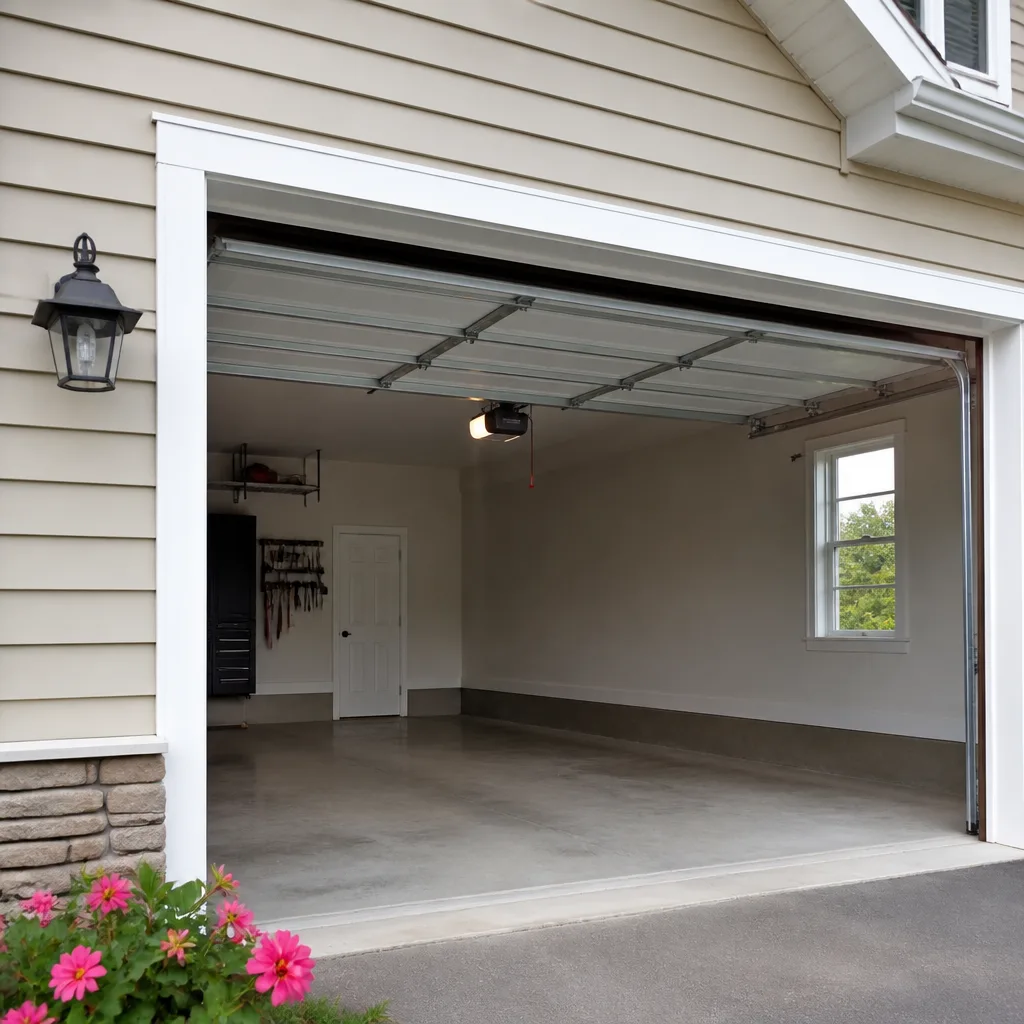 LiftMaster openers
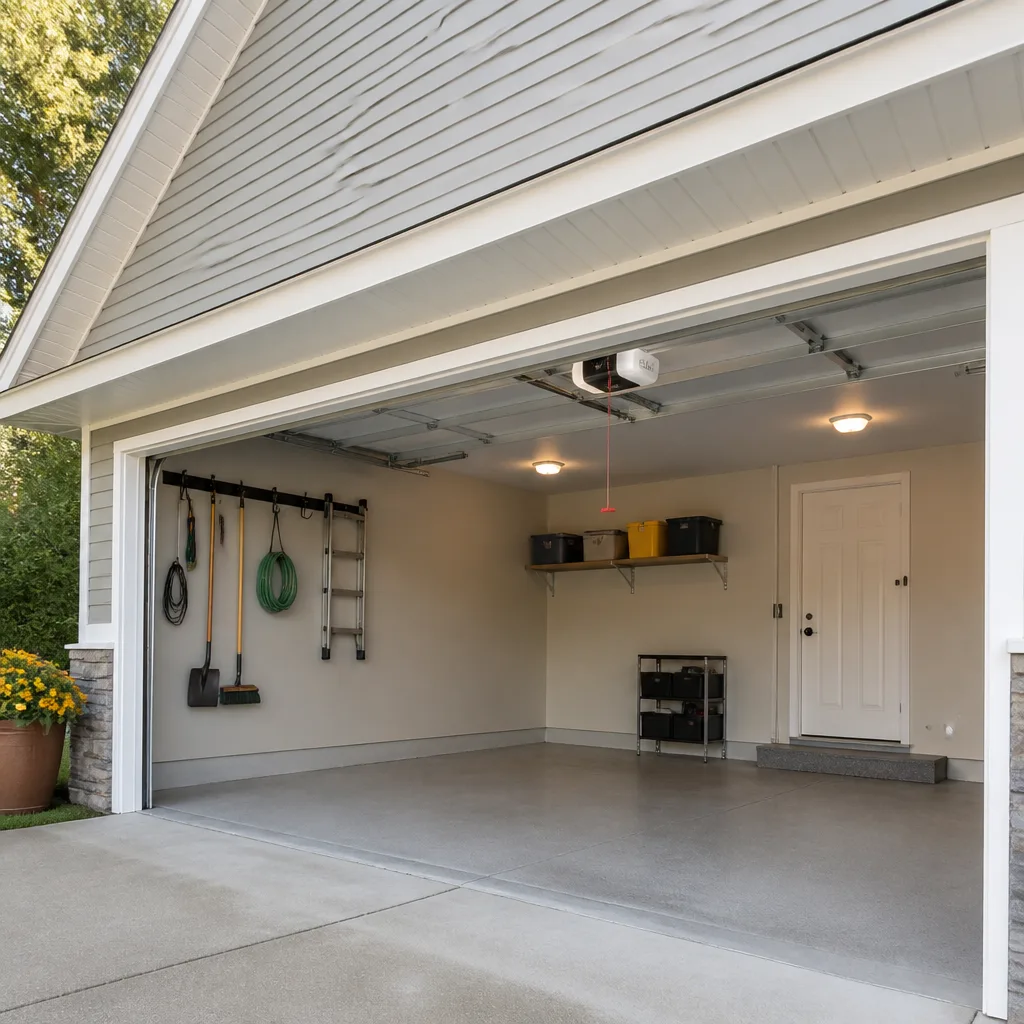 Chamberlain openers
Full 25-point door and opener safety check with every visit - springs, cables, rollers, tracks, and your LiftMaster or Chamberlain opener included
You get a price before we start. It does not change when the truck arrives.
Get your free estimateSeasonal Garage Door Care for Enterprise: Year-Round Homeowner’s Guide
Most garage door care advice you’ll read online was written somewhere with four hard seasons: ice, snow, road salt, and a long freeze. Enterprise doesn’t get any of that. We don’t get freezing pipes, ice storms, or months of subzero nights, so a lot of the “winter prep” checklist floating around the internet simply doesn’t apply here. But that doesn’t mean our doors are off the hook. The gap between a July afternoon and a January night around Enterprise can run sixty degrees or more, and that swing works metal and rubber and opener electronics in ways a guide built for Ohio will never mention. What follows maps real care tasks to Enterprise’s actual climate calendar, month by month, so you can keep springs, seals, and openers ahead of the cycles this valley really produces.
Quick Answer
In Enterprise, garage door care follows the heat, not the calendar most guides assume. The biggest tasks are pre-summer inspection and lubrication in April before the desert heat peaks, bottom seal replacement before UV degrades the rubber through peak summer, a fall check of spring tension and cool-weather re-lubrication as the metal contracts in October and November, and year-round monthly clearing of caliche dust from the tracks and photo-eye lenses. Get those four habits right and you’ll catch most failures before they strand you.
Styles & brands we work with
- Raised-panel steel
- Carriage house
- Modern flush
- Full-view glass
- LiftMaster openers
- Chamberlain openers
Table of Contents
- Why Enterprise Garage Doors Age Differently
- Pre-Summer Care: What to Do Before the First 100°F Day
- Peak Summer: The Worst Time to Defer Seal Replacement
- Fall Transition: Springs, Metal, and Cool-Weather Lubrication
- Winter in Enterprise: Opener Batteries and Smart Hardware
- The Desert-Only Monthly Task: Caliche and Dust
- A Year-Round Care Schedule at a Glance
- Common Mistakes to Avoid
- When to Call a Professional
Why Enterprise Garage Doors Age Differently
The single most useful thing to understand about garage doors in Enterprise is that they don’t fail from one big event. They fail from accumulation. A torsion spring is steel under constant tension, and steel expands when it’s hot and contracts when it cools. In a climate that swings from triple-digit afternoons in July to forty-degree nights in January, every season asks that spring to move through a full expansion-and-contraction cycle. Do that enough times and the metal fatigues. Most people blame the last cold snap or the last hot afternoon, but the truth is the spring was being worked on all year.
Rubber is the same story in reverse. UV is the enemy here, not cold. A bottom seal that lives in full desert sun hardens and cracks long before it wears through from friction. The opener motor faces its own cycle: modern units, including the LiftMaster and Chamberlain lines we service most often, have thermal protection that slows or pauses the motor when it overheats, which is common on a hot afternoon in a closed garage.
None of this means an Enterprise door is harder to own than one in Minnesota. It just means the care calendar looks different. You’re not winterizing against ice. You’re managing heat, UV, dust, and the transitions between warm and cool. That’s the frame for everything below.
One more local factor: homes here often have attached garages that also serve as the everyday entry point. If your garage is how the family comes and goes, the door cycles more times a day than a suburban door used only for the car, and cycles are what wear the moving parts. A door that opens and closes a dozen times a day ages faster than one that runs twice, and that’s worth factoring into how often you inspect.
Pre-Summer Care: What to Do Before the First 100°F Day
April is the month to get ahead of the heat in Enterprise. Once the afternoons cross into triple digits, an opener motor in a closed garage works harder, thermal protection kicks in, and small problems that were invisible in March announce themselves. The goal of pre-summer care is simple: find and fix the small stuff while the temperatures still let you work comfortably.
Here’s the pre-summer routine, in order:
- Run the door and listen. Open and close it a few times. Note any grinding, scraping, or hesitation. A healthy door is quiet and smooth; new noises are the earliest warning you get.
- Check the balance. Disconnect the opener and lift the door halfway by hand. A properly balanced door stays where you let go. If it slams down or drifts, the springs need attention.
- Lubricate the moving parts. Hinges, rollers, and the torsion bar get a garage-door lubricant. This is also the ideal time to use a product rated for high heat, not a thin household oil that cooks off in July.
- Inspect the weather seal. Look at the bottom seal for cracks or a gap. If it’s stiff or brittle, plan to replace it before summer.
- Test the safety reverse. Put a board or a roll of paper towels under the door and let it close. It should reverse on contact. Test the photo-eyes by passing something through the beam.
If any of this turns up metal fatigue, stripped rollers, or a spring that won’t hold the door up, that’s the moment to get it looked at, before the heat. We handle repairs from our home base in Enterprise and the surrounding valley, and April is far easier on everyone than a July call. If your door needs service or a plan, our garage door repair team can take a look and tell you what’s actually worn and what’s fine.
Peak Summer: The Worst Time to Defer Seal Replacement
June through September is when the desert does its real damage, and the part that suffers most is the bottom seal. Here’s a distinction worth understanding: the bottom seal on your door is not one component but an assembly. The rubber weather seal runs along the bottom edge, and it’s the thing that actually meets the floor and keeps dust and heat out. UV degrades this rubber in stages, and if you wait until it’s clearly failing, you’ve cost yourself more than a seal.
What UV degradation looks like as it progresses:
- Early: the rubber looks slightly dull instead of matte black, and it feels a little stiff when you press it.
- Middle: fine surface cracks appear, especially on the sun-facing side. The seal starts to leave a gap at one corner.
- Late: the rubber is hard and brittle, chunks flake off, and daylight shows under the closed door.
A failing seal does more than let in dust. It lets in heat and windblown grit that works its way into the tracks, and grit wears rollers and hinges faster. Replace it when you see the middle stage, not the late one.
Peak summer is also when opener motors earn their keep. A Wi-Fi-enabled Genie or LiftMaster opener in a garage that hits well over 100°F will sometimes pause mid-travel when its thermal protection engages. That’s the motor protecting itself, not a fault. But if it happens repeatedly on mild days, the motor is working too hard, and a tune-up or opener inspection is worth the call sooner rather than later.
If your door has been acting up all summer and you’ve put it off, our garage door opener repair service can sort out whether the door or the opener is the real culprit, and we’ll tell you plainly which it is.
Fall Transition: Springs, Metal, and Cool-Weather Lubrication
October and November are the months most Enterprise homeowners skip, and that’s a mistake. The fall transition is exactly when the stress cycle flips: the metal that had been expanding all summer starts to contract as nights drop into the forties, and that’s when spring tiredness that built up over the season can finally show up as a door that won’t quite lift the way it used to.
Fall tasks, in step order:
- Re-run the balance test. Disconnect the opener, lift the door to halfway, and let it go. If it doesn’t hold, the springs are telling you something, and it’s better to know now than on a morning when the door fails to open.
- Re-lubricate with a cool-weather product. The heat-rated lubricant that was right for July can get a little gummy in 45-degree mornings. A garage-door lubricant with good cool-weather viscosity keeps rollers and hinges moving smoothly through winter.
- Look at the weather seal again. Even a seal replaced in summer can develop new cracks after a season of UV. Fall is a good time to catch early ones.
- Check the torque and hardware. Fasteners that loosened slightly during the summer heat can be snugged in the fall. Loose hinge bolts are easy to miss.
- Clean the tracks before the cold gets real. Debris that settles into the channel in fall and then cold-seizes in a forty-degree night makes the door harder to move all winter.
The fall check is not optional work for an Enterprise homeowner. It’s the moment when you catch a spring that’s been quietly losing tension for months. If the balance test fails or the door won’t hold, don’t force it, and don’t try to adjust a torsion spring yourself. Those springs are under enough tension to cause serious injury, and they deserve a trained professional.
Winter in Enterprise: Opener Batteries and Smart Hardware
Enterprise doesn’t get a hard freeze, but it does get winter nights that drop into the forties, and that’s enough to affect two parts of the system most homeowners never think about: battery backups and smart-home connectivity.
Battery backup units
Many modern openers, including the LiftMaster and Chamberlain units we work with most, come with a battery backup that keeps the door running when the power goes out. These batteries are sensitive to temperature. When a cold night drops into the forties, a battery that was already weak shows it, and the backup either runs short or doesn’t hold at all. Do a battery test early in the winter season by unplugging the opener and running the door on backup power. If it doesn’t raise the door at least once, replace the battery before it matters. This is easy to do and easy to forget, and winter is when it bites.
Smart-home connectivity
Wi-Fi openers and their connected apps can get twitchy in the cool months for a couple of reasons. Cold can slow the electronics in the opener’s control board, and a weak home Wi-Fi signal at the far end of the garage can drop a connection that worked fine in summer. If your app shows the door as offline, check the router signal near the garage first, then the opener’s battery. A seasonal check on both, before the cool nights settle in, keeps the automation predictable.
If your opener is a legacy Craftsman or an older Genie unit rather than a smart model, winter is also the season to watch the drive system. Chain and belt drives get stiff when it’s cool, so a door that’s slow or jerky on a cold morning may just need fresh lubrication and a check of the drive. We’ve seen plenty of older systems bring themselves back to life with a fall tune-up.
If you’d rather have one crew look at the whole thing, our Northwind Garage Door Repair team handles repair, opener service, and installation without sending you to another contractor for the opener side.
The Desert-Only Monthly Task: Caliche and Dust
This is the task that no generic garage door guide will tell you, because it’s specific to the desert Southwest and it’s the one that quietly wears out tracks and photo-eye sensors faster than anything else. Caliche dust and construction grit settle on everything, and the places it does the most damage are the track channels and the photo-eye lenses.
Once a month, take ten minutes to:
- Wipe the track channels. Use a dry rag or a soft brush to clear the grit out of the vertical and horizontal tracks. Grit that builds up in the channel acts like sandpaper against the rollers.
- Wipe the photo-eye lenses. Both the sending and receiving lenses should be clear. Dust that coats them causes the door to reverse for no obvious reason, or refuse to close at all.
- Wipe the bottom seal edge. Dust traps in the rubber, and removing it slows UV cracking.
- Clear the opener’s sensor path. Dust on the bracket and around the sensors can interfere with the door’s auto-reverse and safety features.
If you have pets that come and go through the garage, or if there’s active construction anywhere near your home, do this more than once a month. It is the single simplest thing you can do for a desert garage door, and it’s the task most homeowners in Enterprise miss entirely.
A Year-Round Care Schedule at a Glance
To keep it simple, here’s the Enterprise care calendar condensed into a table-as-list you can post on the garage wall:
- April (pre-summer): Balance test, heat-rated lubrication, seal inspection, safety-reverse test.
- June – September (peak summer): Watch for UV cracking on the bottom seal and replace at the middle stage, not the late one. Watch for opener thermal pausing on mild days.
- October – November (fall): Balance test again, cool-weather re-lubrication, seal recheck, tighten loosened hardware, clean the tracks before cold nights.
- December – February (winter): Test the opener battery backup, check smart-home connectivity, watch cool-weather drive stiffness on older units.
- Monthly, all year: Clear caliche and dust from the track channels and photo-eye lenses.
- Anytime something sounds wrong: Stop using the door and call a professional. New noises are the cheapest warning you’ll ever get.
Write the four seasonal tasks on a note and stick it wherever you’ll see it, or set phone reminders for April, October, and the first of every month. The whole routine adds up to less than an hour of actual work across the year, and it catches the vast majority of problems before they turn into a door that won’t open.
Common Mistakes to Avoid
- Applying WD-40 or household oil to the tracks and springs. WD-40 is a solvent, not a garage-door lubricant, and it can thin out good lubrication and attract grit. Use a proper garage-door lubricant rated for high heat and cool-weather use.
- Deferring bottom seal replacement once you see cracking. In Enterprise, the sun does its damage fast, and a cracked seal lets in grit that then wears your tracks and rollers. Replace it at the first real cracks, not the first time you notice daylight under the door.
- Skipping the fall balance test because the door “still opens.” A spring that’s lost tension will still open a door on the motor for a while, then fail all at once. The fall test is what catches it early.
- Trying to adjust a torsion spring on your own. Those springs are under enormous tension. Adjusting or replacing them is a job for a trained professional, not a homeowner with a winding bar. We mention it because we still see people attempt it.
- Ignoring the battery backup until winter. The battery is easy to test and cheap to replace. Test it once a year before the cool nights, not after the power goes out.
- Forgetting the monthly dust wipe. This is the one task that’s unique to the desert, and skipping it costs more in track wear than any other single oversight in Enterprise.
- Assuming a door that reverses randomly needs a new opener. Very often it’s a dusty photo-eye lens or a misaligned sensor. Clearing the lens and checking the alignment first saves the cost of a new opener.
When to Call a Professional
Some seasonal care belongs in your hands, and some belongs with a trained technician. Call a professional if the balance test fails (the door slams or won’t hold halfway), if you hear new grinding or scraping, if the door reverses on its own after you’ve cleaned the photo-eye lenses, if the opener runs but the door doesn’t move, or if any part of the torsion spring or cable system looks worn or broken. Those are the moments when a trained set of eyes saves you time, money, and, most importantly, a trip to the hospital. Northwind Garage Door Repair offers free estimates in Enterprise. Call (888) 915-1004. We answer 24/7. Fast dispatch from 7am to 7pm, Sunday through Friday. The written estimate sets the price, and we quote and agree it before any work starts.
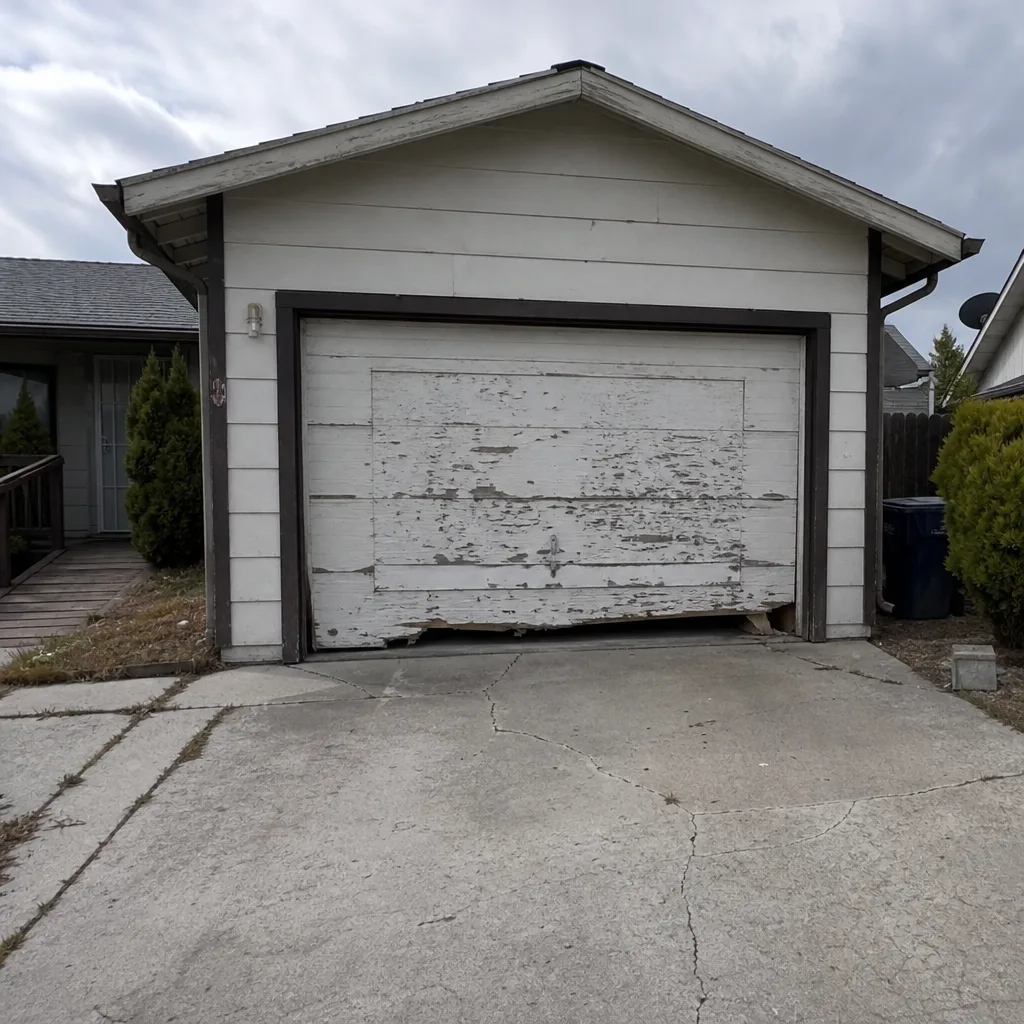
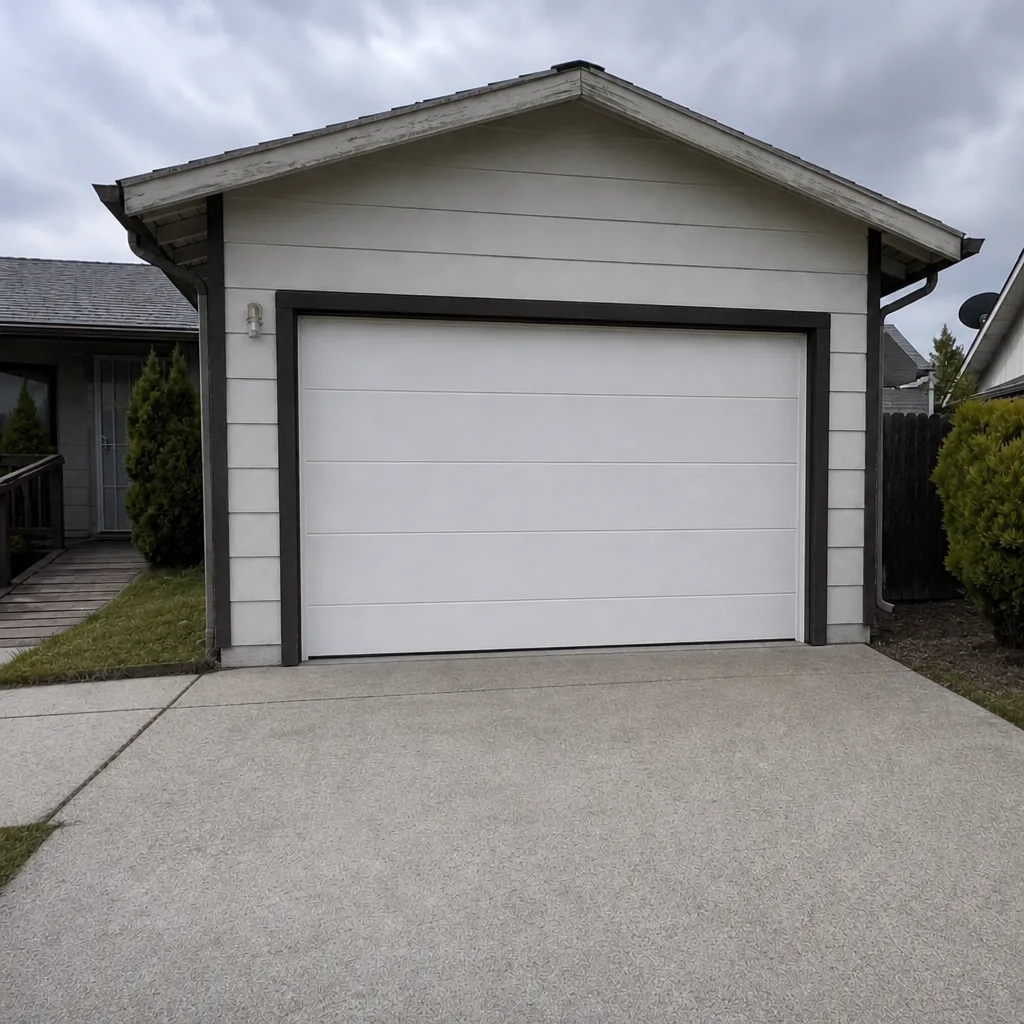
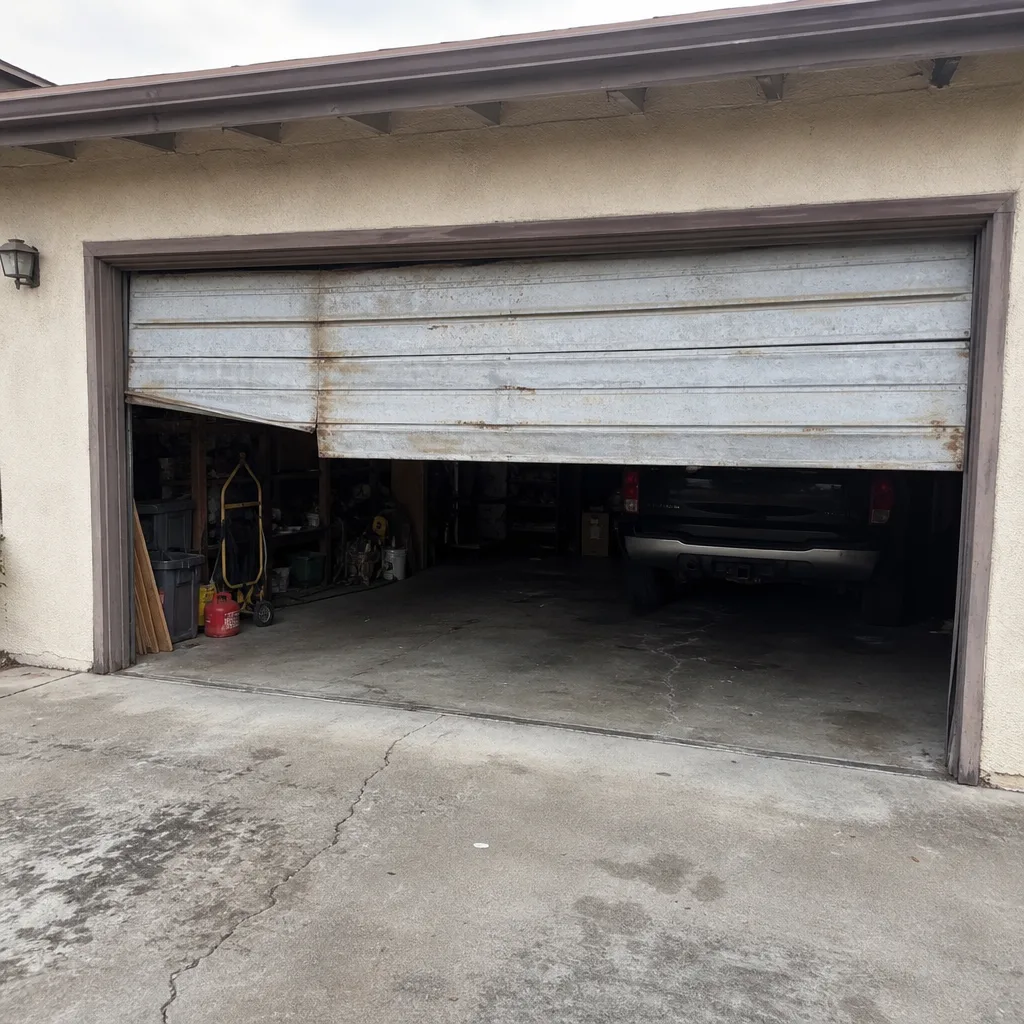
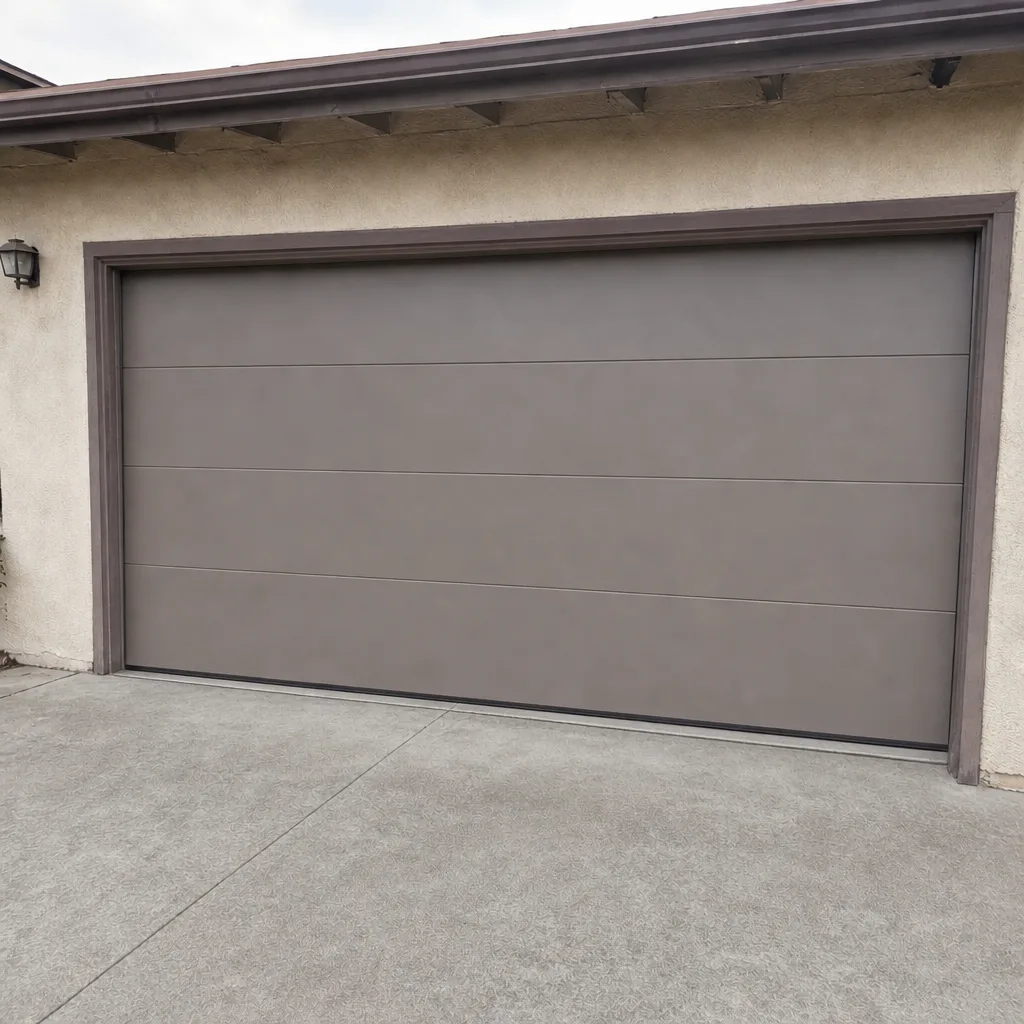
See the difference
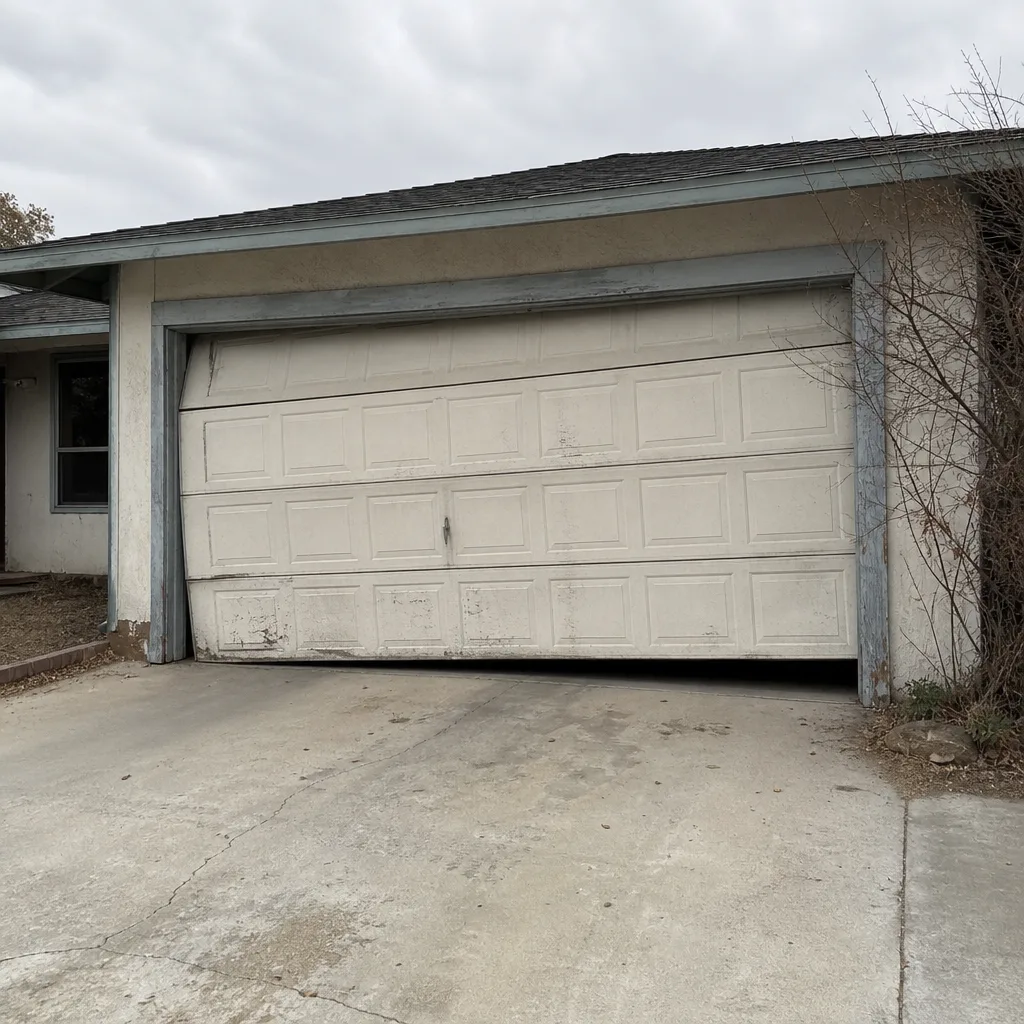 Before
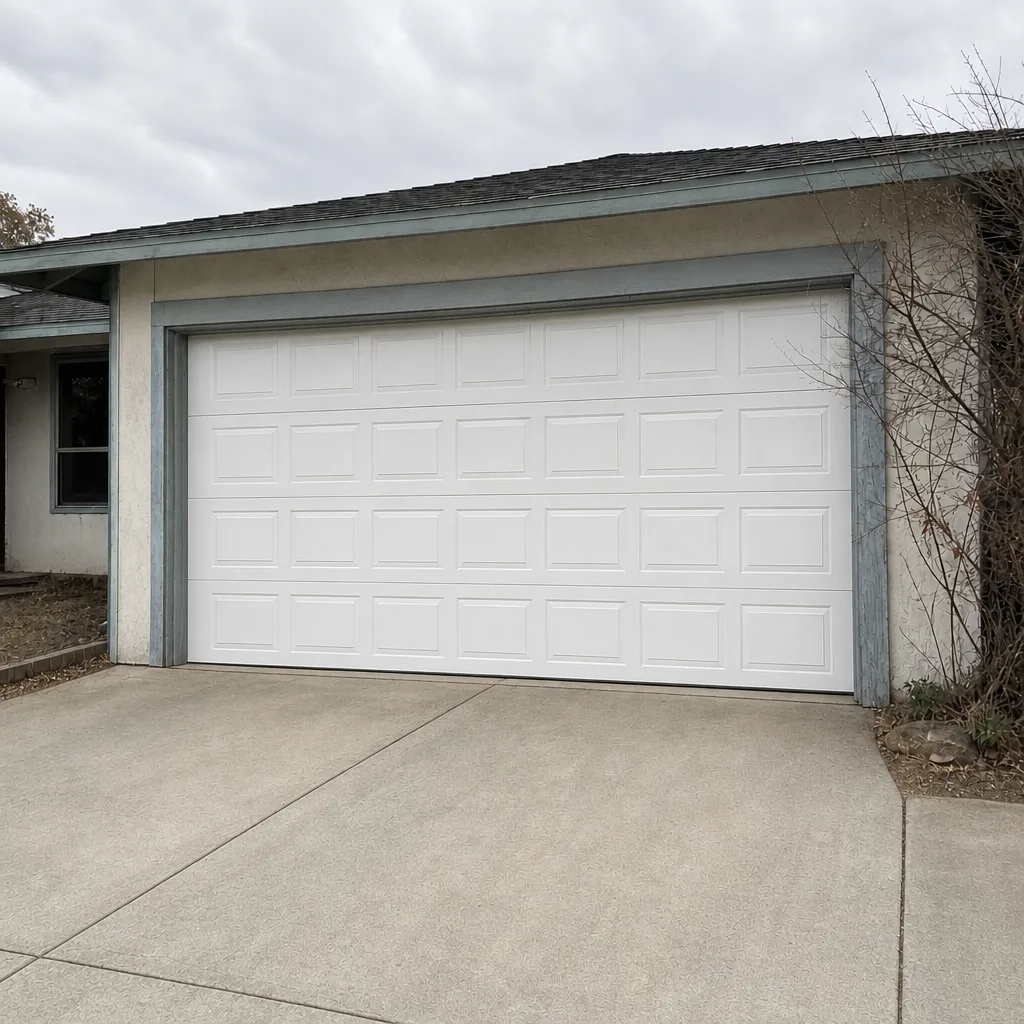 After
 Before
 After
 Before
 After
Frequently Asked Questions
Twice a year for the main moving parts, in April before the heat and in October as the cool weather settles in. Use a garage-door lubricant rated for high heat in April and one with good cool-weather viscosity in October. In between, spot-lubricate any part that starts to squeak, and wipe the tracks monthly to clear desert dust.
Usually a dusty or misaligned photo-eye, not a broken opener. Heat and windblown dust coat the lenses quickly in Enterprise, and a coated lens makes the sensor think something’s in the way. Wipe both lenses clear, check that they’re aligned, and try again. If the door still reverses after that, call (888) 915-1004 and we’ll send a technician.
Yes, once you see surface cracks rather than just dull rubber. In the desert sun, a cracked seal gets brittle fast, and once it’s brittle it lets in dust that wears your tracks and rollers. Replacing it at the first real cracks costs far less than a track and roller repair later.
You can safely handle lubrication, cleaning the tracks and photo-eye lenses, testing the safety reverse, testing the opener battery backup, and inspecting the seal. A technician should handle anything involving the torsion springs or cables, any adjustment to the door’s balance, and any opener diagnosis beyond the basics. Those springs are under enough tension that a mistake could cause serious injury; a trained professional has the right tools and knowledge for them.
Check the Wi-Fi signal at the garage first, then the opener’s battery backup. Cool nights slow electronics in the opener’s control board, and a weak signal at the far end of the garage drops the connection. If the signal is strong and the battery is fresh, the opener may need a reset or a technician’s look. Call (888) 915-1004 for an exact diagnosis.
You can do a lot of it: lubrication, cleaning, testing the balance, testing the safety reverse, and checking the seal. What you shouldn’t do is adjust the springs or cables or diagnose a failing opener on your own. A tune-up visit covers both the safe side and the parts you shouldn’t touch, and many homeowners find it’s worth it once a year. Call (888) 915-1004, and remember: the written estimate sets the price, so there’s no surprise when the work is done.
The Bottom Line
Enterprise isn’t a four-season climate, but it has a climate calendar of its own, and a garage door that gets the care this calendar asks for lasts longer and fails less. The short version: inspect and lubricate in April before the heat, watch the bottom seal through summer, check balance and re-lubricate with cool-weather product in the fall, test the battery backup and smart connectivity in winter, and wipe the tracks and photo-eye lenses monthly, all year. That’s the entire routine, and it fits into a single free weekend afternoon across the year. Get those four habits in place and you’ll catch the vast majority of failures before they cost you a morning. If you’d rather have a professional handle the inspection, tune-up, or repair, one crew can take care of the door and opener together. Call (888) 915-1004 for a free estimate. We answer 24/7. Fast dispatch from 7am to 7pm, Sunday through Friday. We service your brand across the eight major manufacturers we cover, and we’ll tell you plainly what your door actually needs.
Written by the team at Northwind Garage Door Repair, serving Enterprise since 2018.