
Last updated November 14, 2026
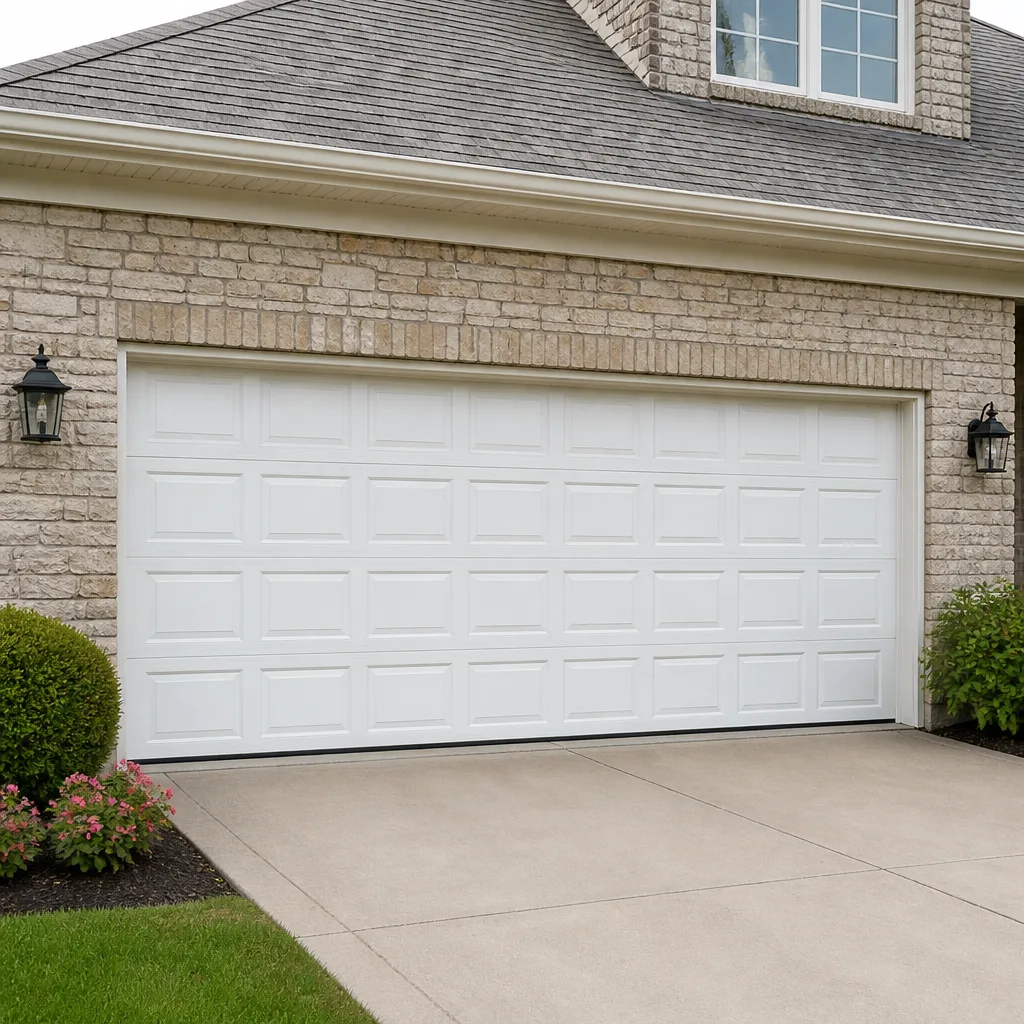 Raised-panel steel
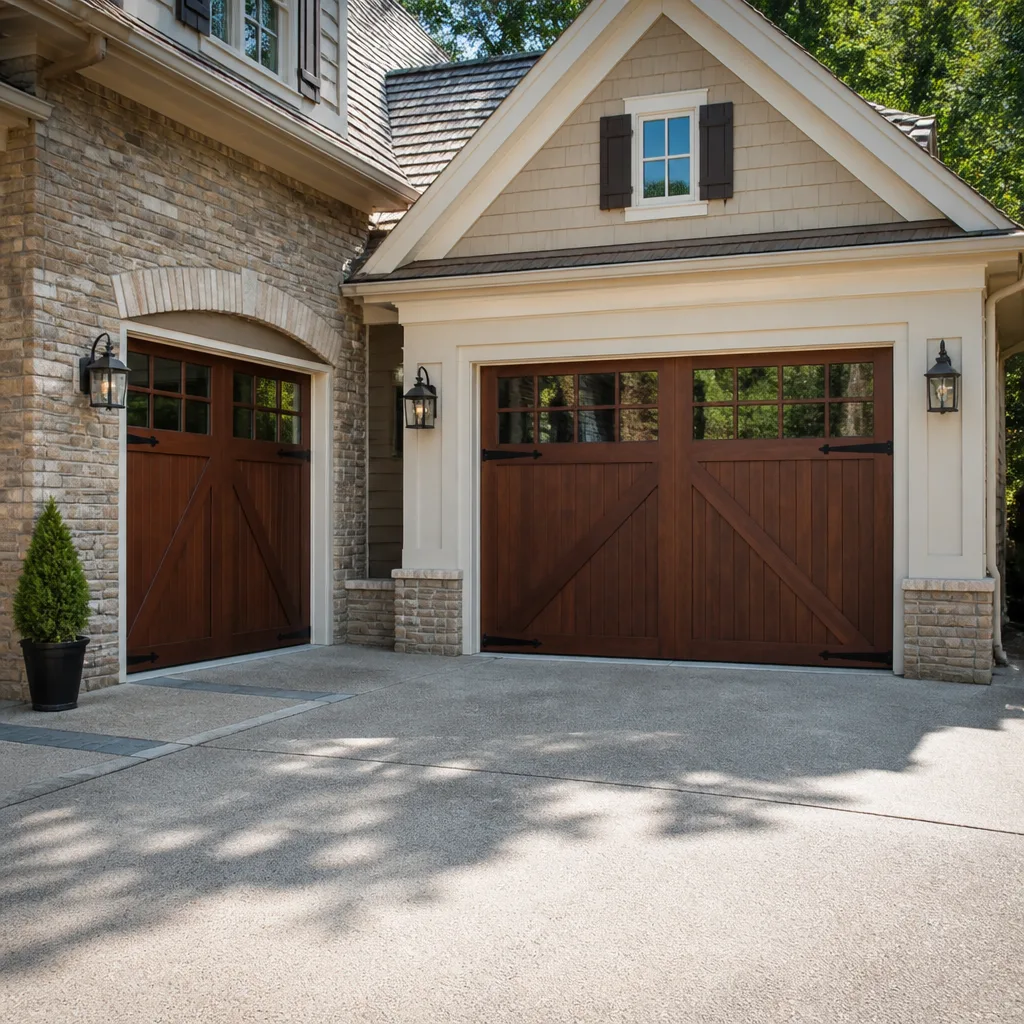 Carriage house
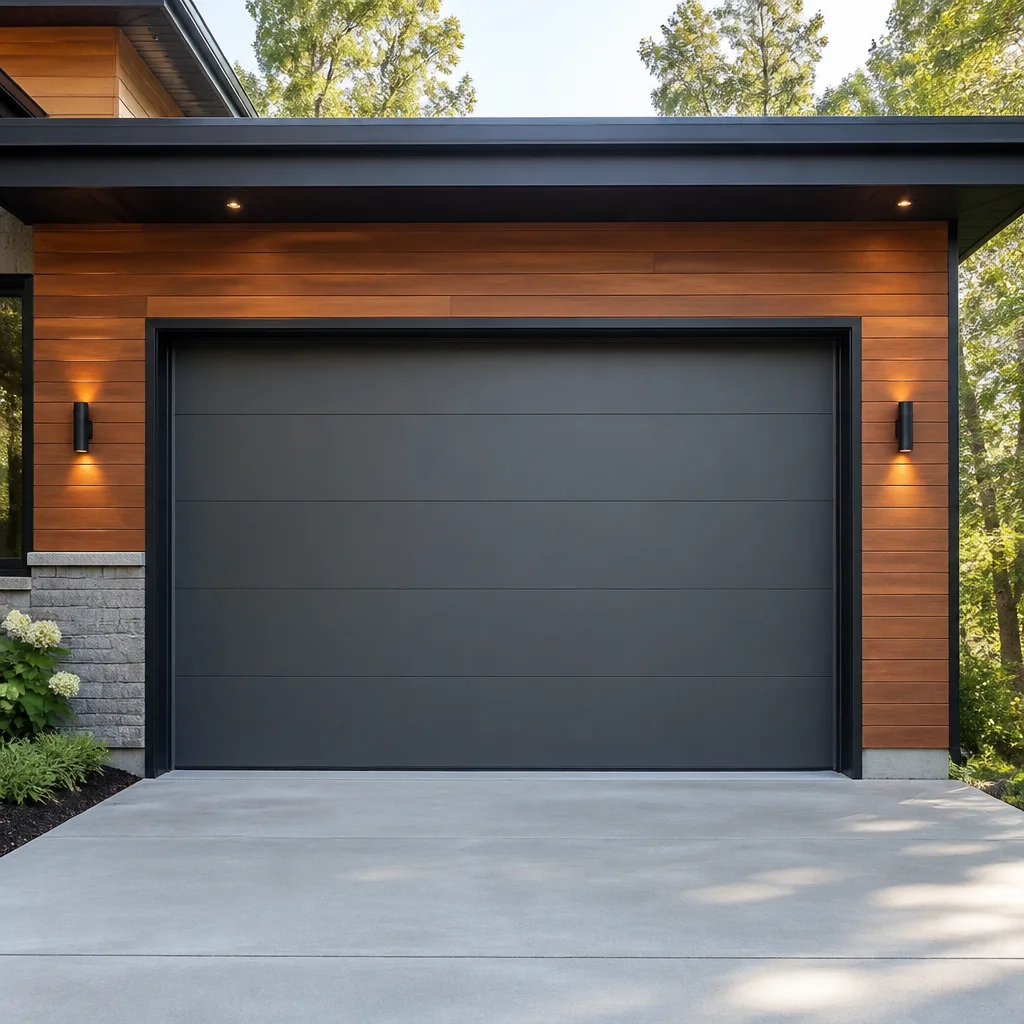 Modern flush
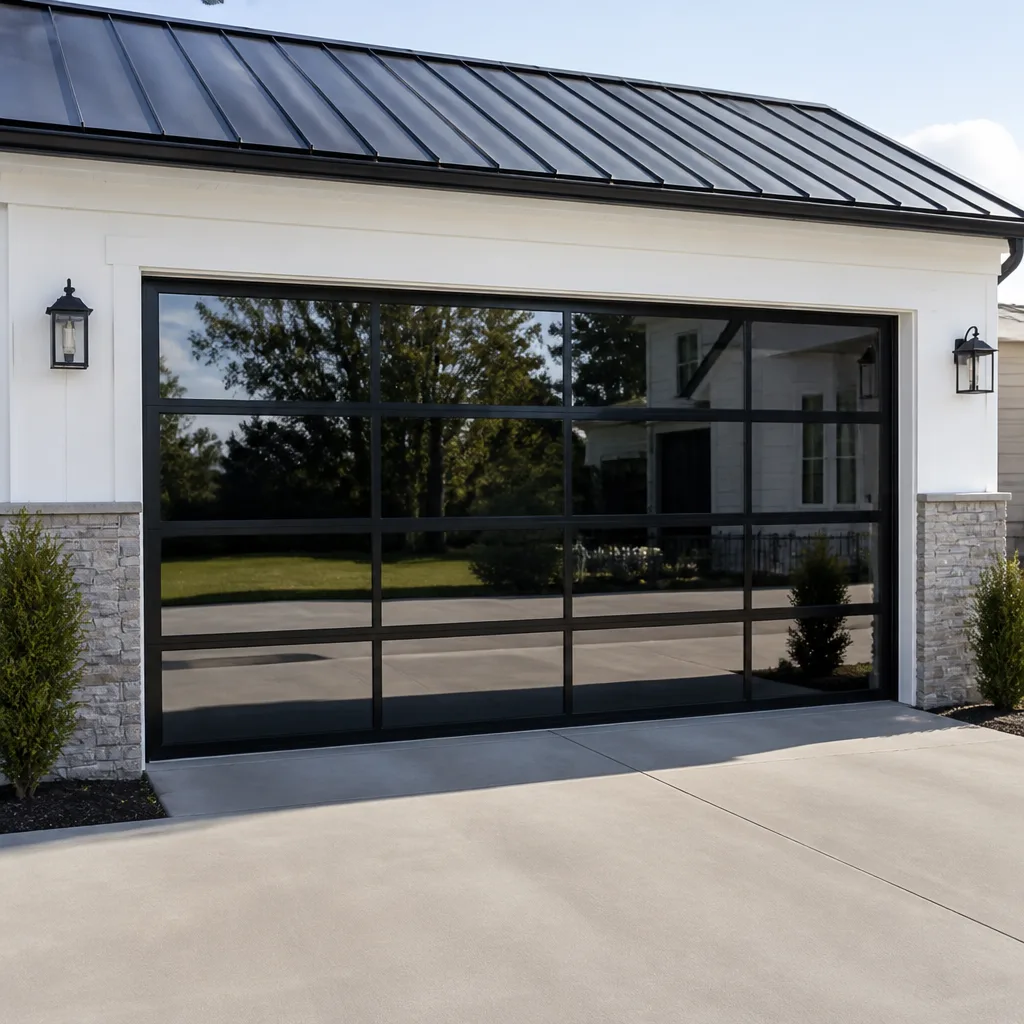 Full-view glass
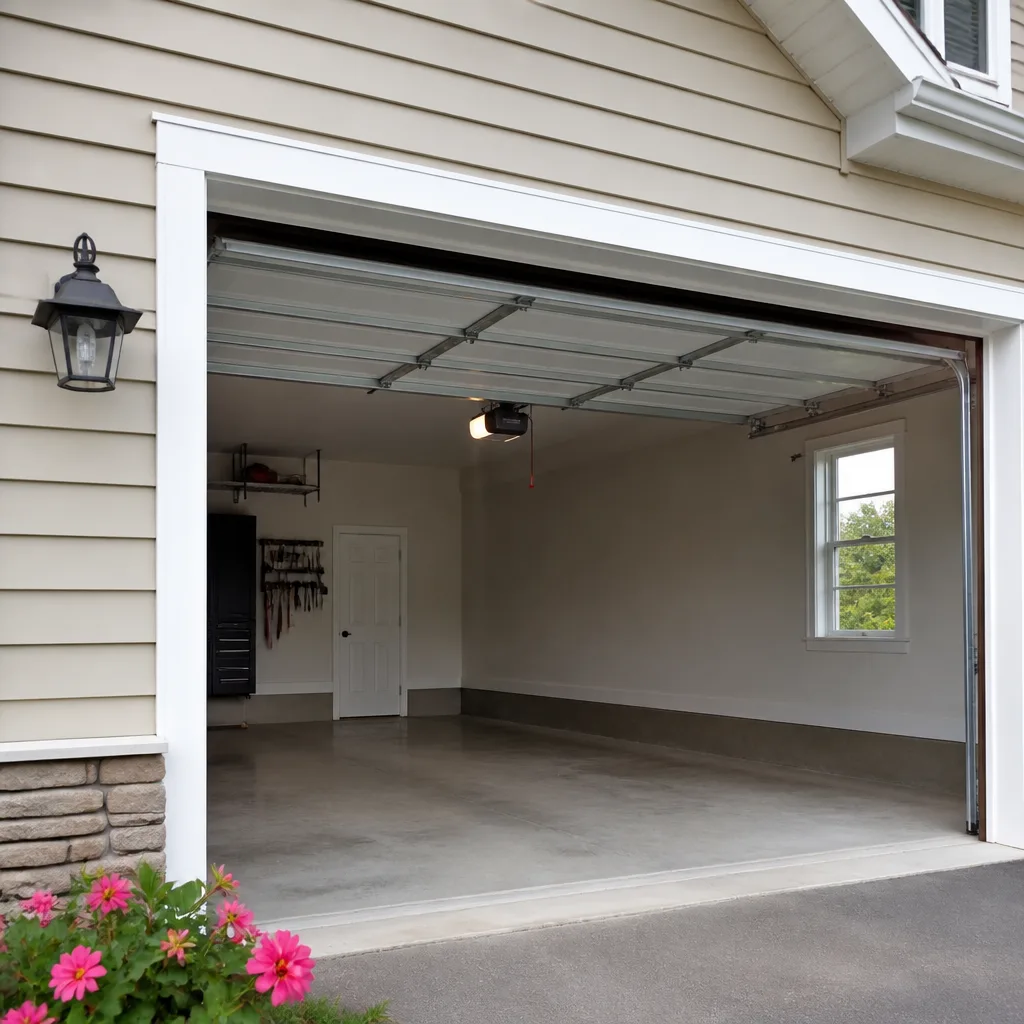 LiftMaster openers
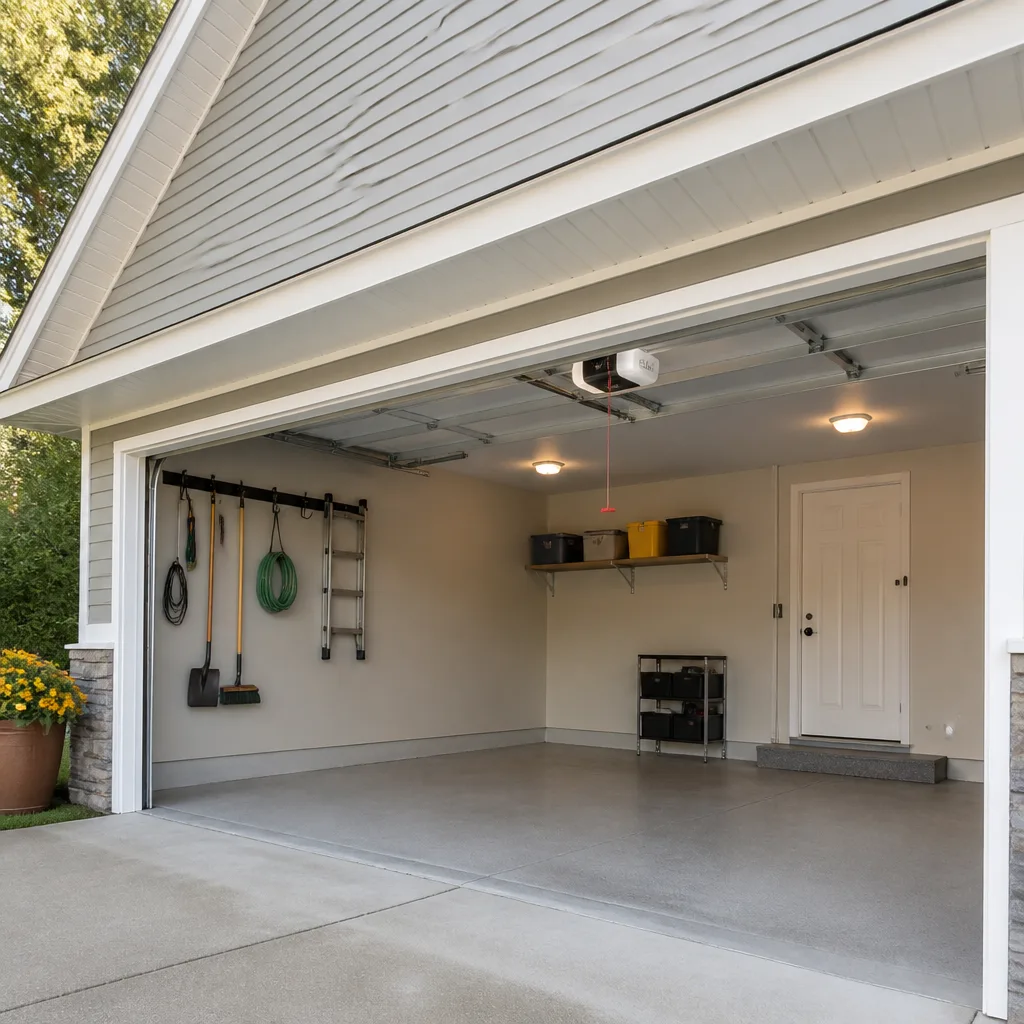 Chamberlain openers
Full 25-point door and opener safety check with every visit - springs, cables, rollers, tracks, and your LiftMaster or Chamberlain opener included
You get a price before we start. It does not change when the truck arrives.
Get your free estimateGarage Door Warning Signs: An Enterprise Homeowner’s Reference Guide
A garage door that opens slower than it did six months ago isn’t “getting old.” It’s telling you one of three specific things, and two of them get expensive if you wait another month. Most homeowners watch for the dramatic failure, the door that won’t move at all, and miss the quieter signals that show up weeks before. That’s the gap this guide closes. We’ll walk through what the sounds mean, what the movement patterns point to, what desert conditions do to springs and cables, and how to sort every warning sign into call-today versus schedule-this-month. If you live in Enterprise, some of these signals show up faster here than in cooler parts of the country, and knowing which ones saves you a bigger bill.
Quick Answer
Garage door warning signs fall into three categories: sounds (grinding, squealing, popping, rattling), movement changes (jerking, hesitating, slow acceleration, uneven travel), and visual cues (rust patterns, frayed cables, shrunken seals). A door that reverses without an obstruction, or one that jerks during travel, usually needs a technician within days. Squealing and slow acceleration can typically wait for a scheduled visit, but get them on the calendar before they turn into a snapped spring or a burned-out opener motor.
Styles & brands we work with
- Raised-panel steel
- Carriage house
- Modern flush
- Full-view glass
- LiftMaster openers
- Chamberlain openers
Table of Contents
- Sound-Based Diagnostics: What Each Noise Implicates
- Movement-Based Diagnostics: Jerking, Hesitating, and Uneven Travel
- Visual Warning Signs Specific to Desert Climates
- Opener Behavior Flags That Aren’t Sensor Problems
- Brand-Specific Warning Patterns
- Sorting Warning Signs by Urgency: Call Today or Schedule
- How to Inspect Your Own Door Safely
- Common Mistakes to Avoid
- When to Call a Professional
Sound-Based Diagnostics: What Each Noise Implicates
The sound your door makes is the fastest way to narrow down what’s failing. A trained technician identifies the likely cause before opening the toolbox, and you can learn the same skill. Here’s how we separate the four main sounds.
Grinding points to metal-on-metal contact. Common causes: worn rollers that have lost their bearings, a torsion tube that’s shifting in its center bearing plate, or a bent track section the rollers are dragging through. If the grinding appears at the same spot in the door’s travel each time, it’s almost always a track or roller problem at that location. If it’s continuous, suspect the torsion hardware itself.
Squealing is nearly always lubrication and friction. Rollers, hinges, and the torsion spring coils run dry, especially in dry desert air where lubricant evaporates faster. Squealing on its own is rarely dangerous, but a dry spring is working harder than it should, and a spring under stress fails without warning. Treat persistent squealing as a signal to get the door serviced on a scheduled visit, not an emergency.
Popping is the sound that deserves the most attention. A single loud pop often means a torsion spring has snapped, or a cable has jumped its drum. If you hear a pop and the door stops moving halfway, that’s a call-today situation. Do not try to force the door up or down. A door with a broken spring on one side can slam under its own weight, and the spring and cable assemblies carry serious stored energy. Stop, unplug the opener if you can reach the cord safely, and call.
Rattling is usually a loose fastener. Hinge screws, bracket bolts, and the opener’s mounting bolts work themselves loose over time, and the vibration travels through the whole door. Rattling on its own isn’t urgent, but loose hardware can drop a roller out of its track, so get it tightened when things are quiet.
In our experience across Enterprise, the most common combination we find on a first visit is persistent squealing plus a faint rattle, and it usually traces back to dried-out rollers and loose hinges rather than anything structural.
Movement-Based Diagnostics: Jerking, Hesitating, and Uneven Travel
How the door moves tells you what the mechanism is doing, and it often points to a different root cause than the sound does. Watch the door for one full cycle and note the pattern.
- Jerking means the door is catching and releasing along its track. The usual suspects are a misaligned track, a bent roller stem, or a torsion spring that’s lost tension on one side. A jerking door stresses the opener’s gear and rail every cycle, so this is a schedule-soon sign, not something to live with.
- Hesitating at the start points to the opener pushing through excess resistance. Worn rollers, dry hinges, or a door out of balance all increase the load. If the door hesitates but the opener sounds fine, the problem is the door. If the opener sounds strained, it’s the drive side.
- Uneven travel (one side of the door rising ahead of the other) is almost always a cable or spring balance issue. On a double door, a stretched or frayed cable on one side forces the other to compensate. This one deserves a prompt call. An uneven door can bind and drop.
- Slow acceleration is often the opener’s force adjustment or a failing capacitor in the motor. It can also be a door that’s out of balance. A slow-accelerating door that also feels heavy is a balance problem, not an opener problem.
On a good diagnostic visit, the technician checks whether the door is balanced by hand before touching the opener. That single step separates door failures from opener failures, and it’s why a garage door opener repair call sometimes ends with a spring adjustment instead of a new motor.
Visual Warning Signs Specific to Desert Climates
Enterprise’s dry air and intense sun age garage door components differently than they do in humid climates. Three visual signals matter most here.
Spring rust patterns. In dry desert air, rust on a torsion spring usually appears first where the coil surface has lost its protective coating, often starting in small patches that spread along the coils. Any reddish-brown spotting on the spring means the coating has failed at that spot and the wire underneath is pitting. A spring can snap clean without any visible rust, so rust is never a diagnosis by itself, but it’s a reason to have the spring checked. Never touch a torsion spring to check it yourself. Springs sit under extreme tension even when the door is down.
UV-bleached cable fraying. Lift cables take direct sun on the door’s top edge in parts of Enterprise. Ultraviolet light dries out the wire insulation and any protective coating, and dry air makes the wire brittle. Look for broken strands on the exposed section of the cable where it bends over the drum. A single broken strand means the cable is weakened, and a fully frayed cable can whip loose. This is a stop-using-the-door situation.
Seal shrinkage. Weather seals along the bottom and sides of the door take heavy UV exposure on the sunny side of a house. In our experience, seals in Enterprise dry and shrink faster than most homeowners expect, leaving gaps that let dust and pests in and let conditioned air out. A shrunk seal is a low-urgency visual sign, but it also allows the door to close unevenly, which loads one corner more than the other. When we see a shrunken bottom seal, we also check the door’s closing alignment.
The desert also brings a lot of wind-blown dust that settles in tracks. Grit in the track acts like sandpaper on the rollers and accelerates roller wear, so a track that looks merely dusty may actually be quietly grinding the bearings out of the rollers. Cleaning tracks is one of the few maintenance tasks we genuinely recommend doing yourself.
Opener Behavior Flags That Aren’t Sensor Problems
When a door reverses unexpectedly, most homeowners assume the safety sensor is blocked. That’s a reasonable first guess, and it’s sometimes right. But in our experience, reversed travel on an opener is more often the opener’s force or travel limits, not the sensors.
Here’s the distinction. A sensor problem stops or reverses the door as it’s closing. A force-limit problem can reverse the door at almost any point, including on the way up. If the door reverses partway down or all the way down but restarts cleanly, check for debris in the sensor’s line of sight first, and if the eyes are clean and aligned, the problem is usually the opener’s logic board or the force setting. These settings drift with temperature swings, especially in a place where summer heat pushes the opener’s internals hard.
Other opener behavior flags worth knowing:
- The opener runs but the door doesn’t move. The motor is turning but the drive gear, belt, or chain has failed. That’s a drive-side failure, not a door failure, and it doesn’t mean the door itself is damaged.
- The door opens partway and stops. The travel limits have drifted. The opener thinks the door is open when it isn’t. This is a settings problem and is usually corrected on the spot.
- The door reverses on its own without a button press. That’s usually a force-sensor trip or a wiring fault. It’s a call-today sign because the door is behaving unpredictably.
- The opener beeps or flashes before reversing. On many modern openers, especially LiftMaster and Chamberlain units, that’s the standard warning before reverse travel. It tells you the opener’s logic knows the door met resistance.
If you’re not sure whether the door or the opener is at fault, the right move is a single diagnosis rather than two calls. At Northwind Garage Door Repair we check both sides of the system in one visit and identify the real cause before recommending a part. Northwind Garage Door Repair has handled both door-side and opener-side work from diagnosis through installation since 2018.
Brand-Specific Warning Patterns
Every manufacturer has its own failure signatures. Knowing yours helps you describe the problem clearly when you call, and it helps confirm the technician has the right parts. Here are the patterns we see most often across the brands we service, including Chamberlain, Genie, Clopay, and Amarr.
Chamberlain and LiftMaster openers share a common platform, and their warning signs often start with the logic board. A unit that loses its program after a power interruption, or one that beeps repeatedly with the door still closed, is usually the board’s memory or force sensor. MyQ-connected openers may also drop their Wi-Fi connection when the board is failing, which is why a sudden internet loss on the opener is worth noting alongside door symptoms. Chamberlain and LiftMaster drive systems also show a distinct clicking sound when the drive gear is wearing, and that clicking usually precedes a full gear failure by weeks.
Genie units have their own pattern. Genie belt and chain drives often show a slipping or hesitation at the start of travel when the drive sprocket or the belt has stretched. Genie’s older screw-drive units can grow noisy as the screw greases wear, and the noise builds gradually rather than appearing suddenly. A Genie opener that’s loud but functioning is usually a lubrication or drive-wear issue, not a failure, but it should be checked before the noise turns into a stall.
Clopay and Amarr doors are the door panels themselves, and their failure signatures are structural. Clopay’s steel doors show rust bubbling under the paint at the panel seams and the bottom edge, and that texture tells you the paint has broken its seal. Amarr doors with large panel faces often show hinge stress at the same points, where screws loosen under the panel’s weight. If you see one hinge loosening on a Clopay or Amarr door, check its neighbors, because hinge screws tend to loosen in a group.
The value of knowing these patterns is real: it means we can usually come prepared. Northwind Garage Door Repair sources same-brand parts for all eight brands we service, so a familiar failure signature doesn’t turn into a special-order delay. One call, one crew, and the parts already identified.
Sorting Warning Signs by Urgency: Call Today or Schedule
Not every warning sign means drop everything and call. The useful question is whether the door can hurt someone or cause a bigger failure if you keep using it. Here’s how we sort them.
Call today:
- Popping followed by a door that won’t move. A snapped torsion spring or a jumped cable is a safety issue. The door may be unbalanced and can fall. Stop using it and call.
- A frayed or visibly broken lift cable. Do not stand under the door or open it further. Call.
- The door reverses unexpectedly without an obstruction. This is a control problem. The door could reverse at the wrong moment, and that’s a hazard.
- An uneven door, one side rising ahead of the other. Binding can cause the door to drop or jam, and the imbalance is stressing the opener with every cycle.
Schedule within the month:
- Persistent squealing with normal travel. Get it serviced before a dry spring or dry roller becomes a failure.
- Slow acceleration or hesitation. It’s usually a balance or resistance issue, and it’s cheaper to fix now than after the opener wears out.
- Rattling and loose hinges. Have the hardware tightened and the rollers checked.
- Rust spots on a spring or a shrunk seal. Both are early signs that belong on a scheduled visit, not an emergency one.
If you’re unsure which category your door falls into, call. We answer 24/7, and a two-minute conversation usually tells us whether to get you on the schedule today or this week. A call outside dispatch hours is booked into the next opening, Sunday through Friday, 7am to 7pm.
How to Inspect Your Own Door Safely
Some checks are safe for a homeowner. Others are not, and we’ll be clear about the line. Do this walk-through once a month, and never at a time when the door is moving.
- Look at the spring from across the room. Note rust spots or gaps in the coil. Do not reach up to touch, prod, or measure it. The torsion spring is the single most dangerous component on a garage door, and it’s under tension even with the door down.
- Run the door and listen. Open and close it once, then stand still and replay the sounds. Grinding, squealing, popping, or rattling each point somewhere different. Note where in the travel you hear it.
- Watch the door’s travel. Look for jerking, hesitating, or one side beating the other.
- Inspect the cables by eye only. Look for broken strands where the cable bends over the drum. Don’t touch a loaded cable.
- Check the seals. Look at the bottom seal for gaps and the side seals for shrinkage. This one is fully safe.
- Test the safety reverse by placing a small object in the door’s closing path only if the door is functioning normally. If it doesn’t reverse, stop using the door and call.
That’s the limit of what we recommend you do yourself. Lubricating hinges and rollers is also harmless, but spring work, cable work, and anything involving a ladders-and-torsion-tube job should be left to a trained technician. If you’d like someone to walk your door through this inspection, our garage door repair team can do it in Enterprise and give you a written estimate for anything we find.
Common Mistakes to Avoid
- Forcing a jammed door. If the door stops and won’t budge, the opener and the door can both be damaged by forcing it. Call, and leave it down until we arrive.
- Ignoring a squeal until it pops. Squealing is easy to live with. Popping is not. The squeal is your one warning before the pop, and treating it as background noise is the most common mistake we see in Enterprise.
- Tightening a door’s hinges and leaving the springs alone. Loose hardware is a symptom. If the hinges keep loosening, the door is probably out of balance, and the balance issue is what needs repair.
- Assuming a reversing door means a bad sensor. Check for debris first, but if the eyes are clean, the opener’s board or force setting is the likelier cause. Replacing sensors that weren’t broken is a wasted visit.
- Painting over rust on a Clopay or Amarr door panel. The bubbling rust under the paint is the panel losing its seal. Painting over it traps moisture and speeds up the corrosion. Repair the seal first.
- Leaving tracks dusty through the windy season. Enterprise’s wind-blown dust settles in tracks, and grit on rollers is slow sandpaper. A brush and a cloth once a month is a real savings on roller replacement.
- Assuming a brand mismatch means you can’t get service. A company that won’t touch your Chamberlain or Genie unit is a company that’s limited, not the door. Most doors can be diagnosed and repaired regardless of brand.
See the difference
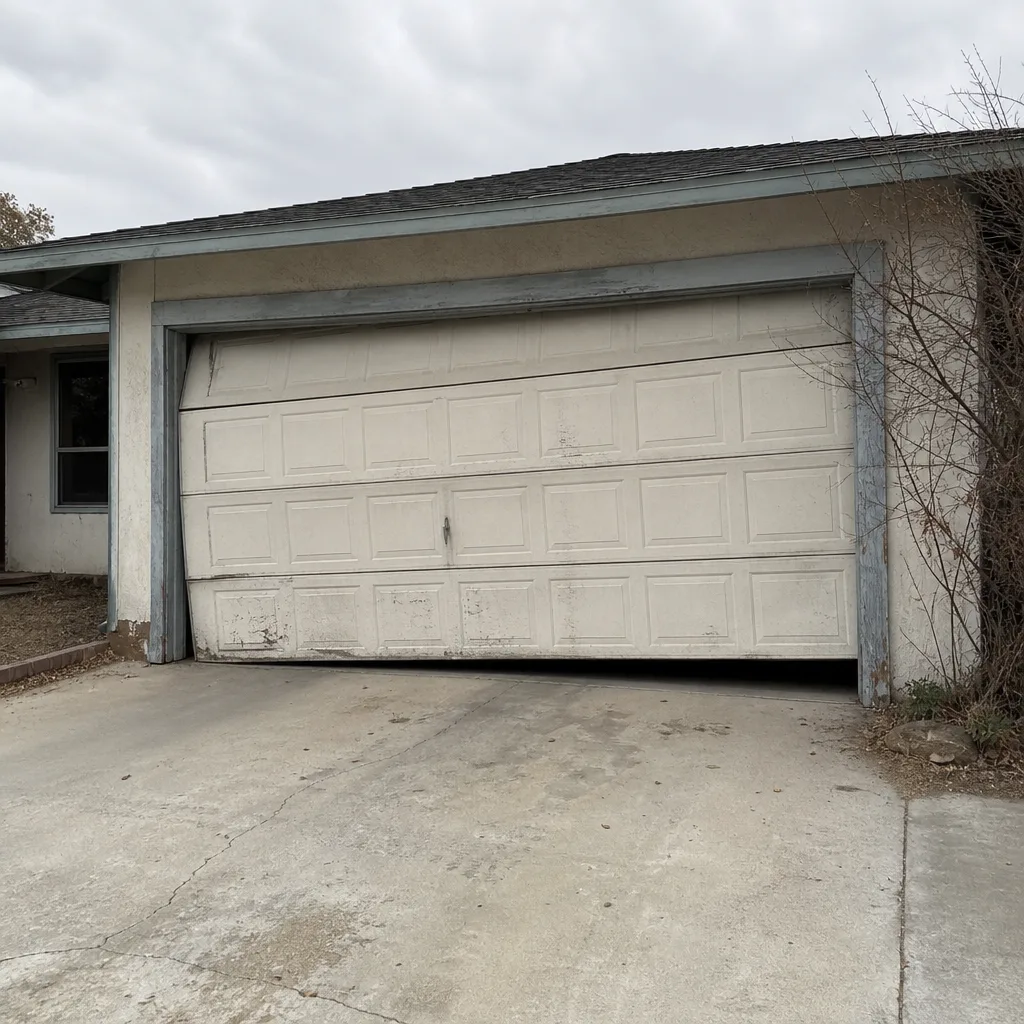 Before
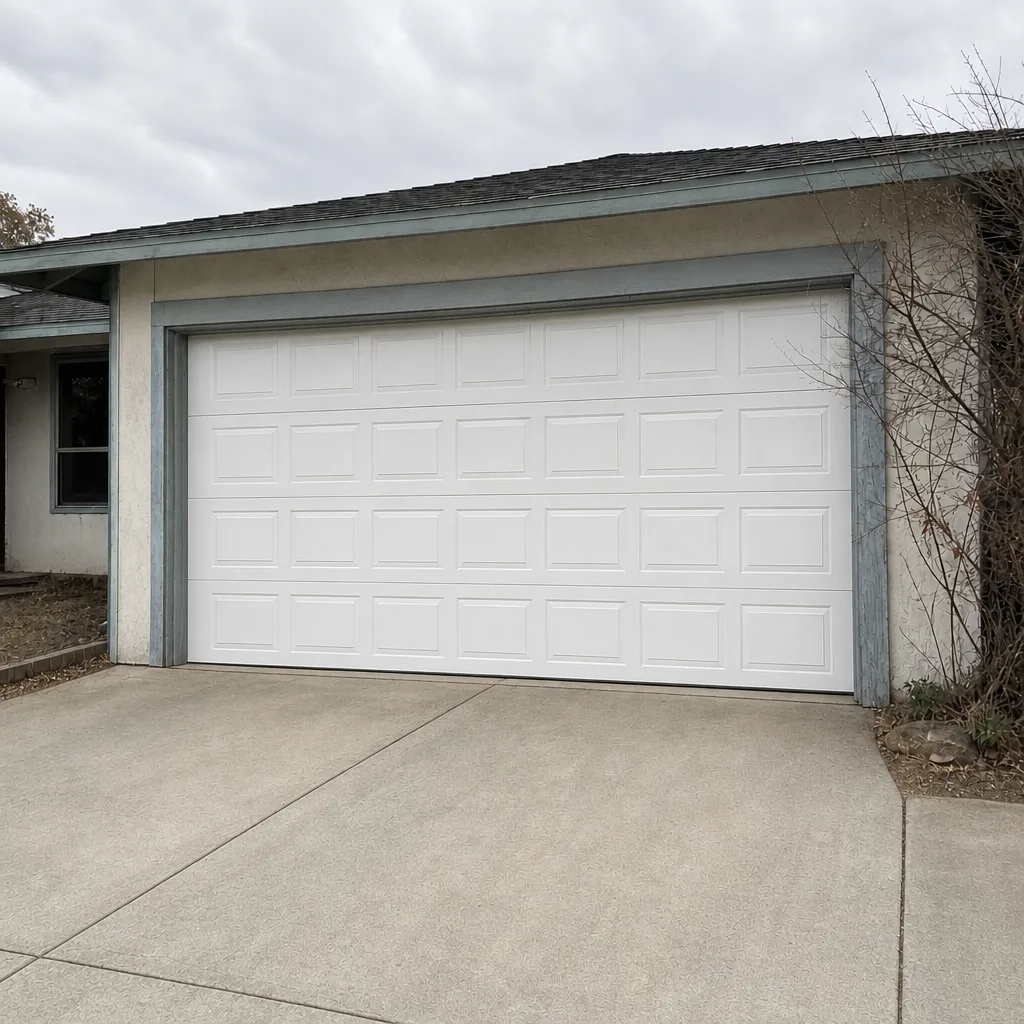 After
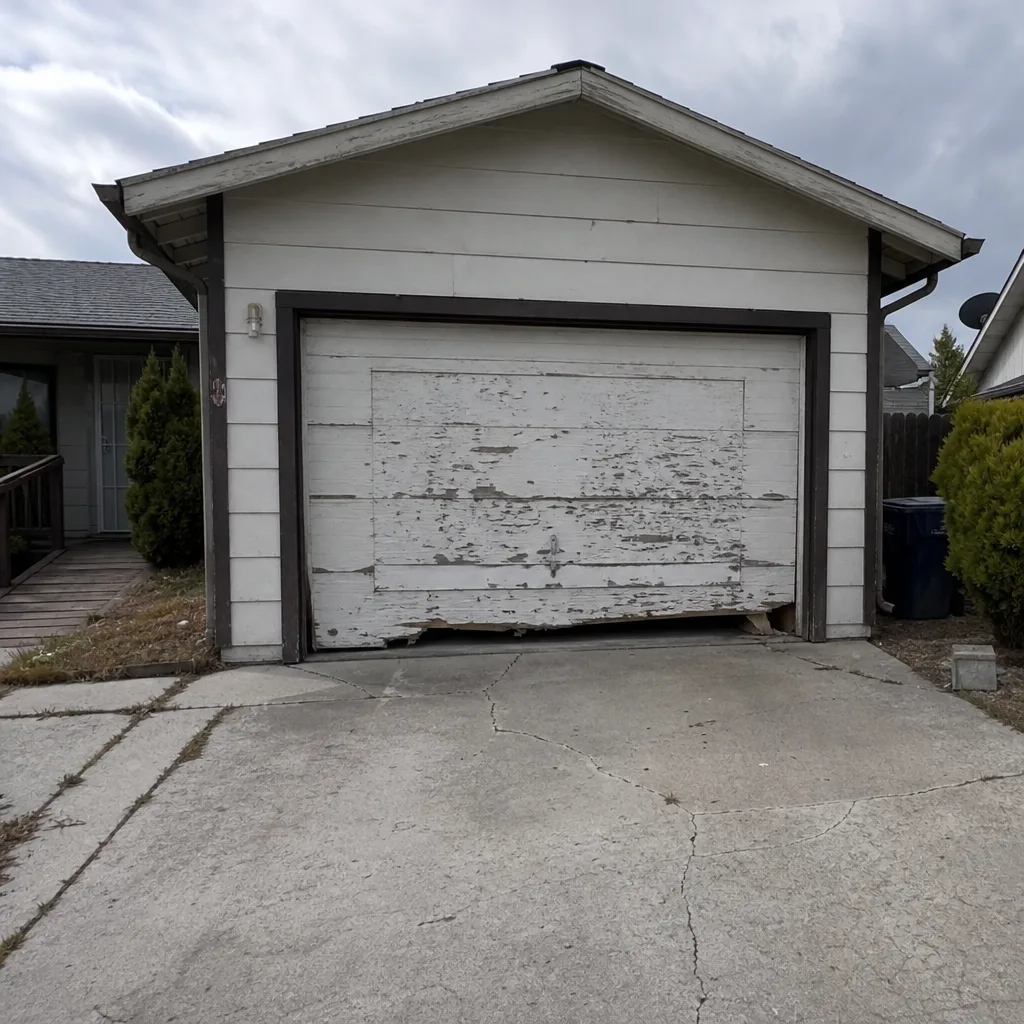 Before
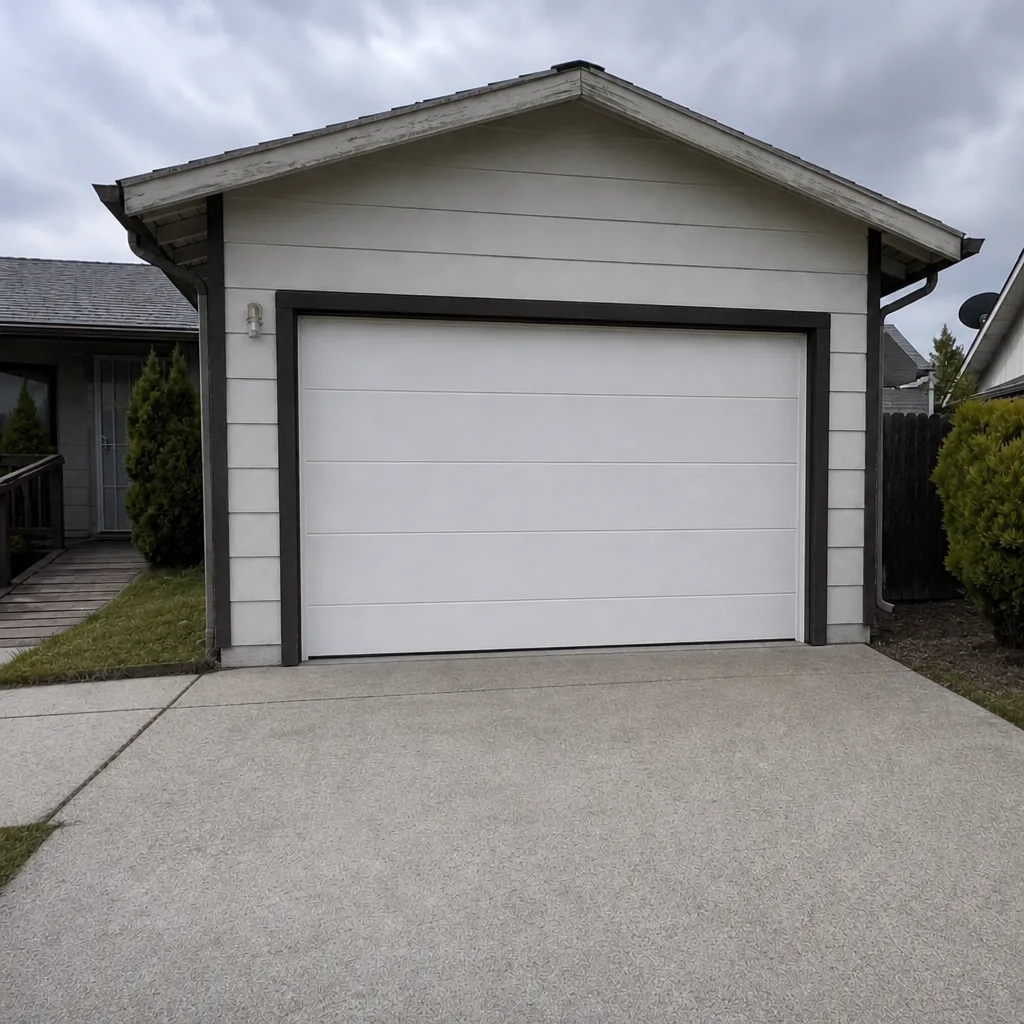 After
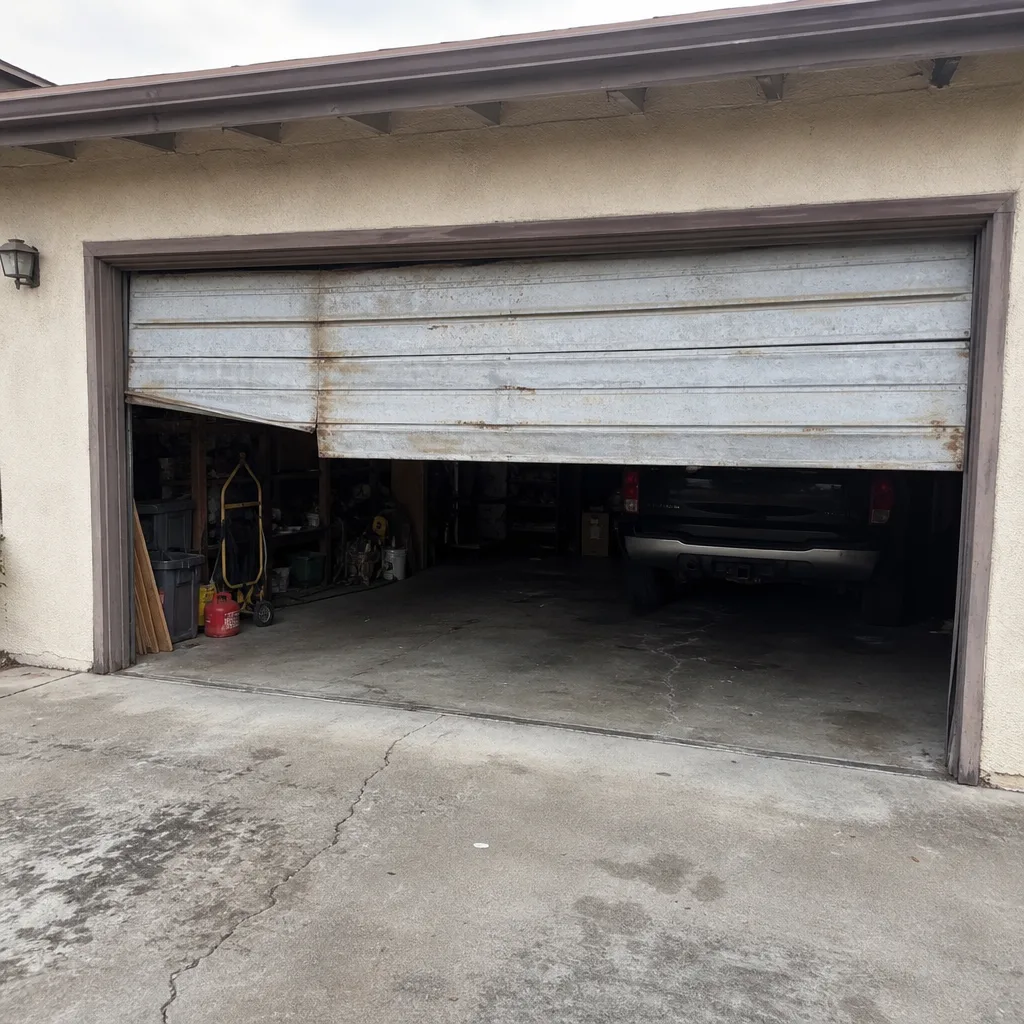 Before
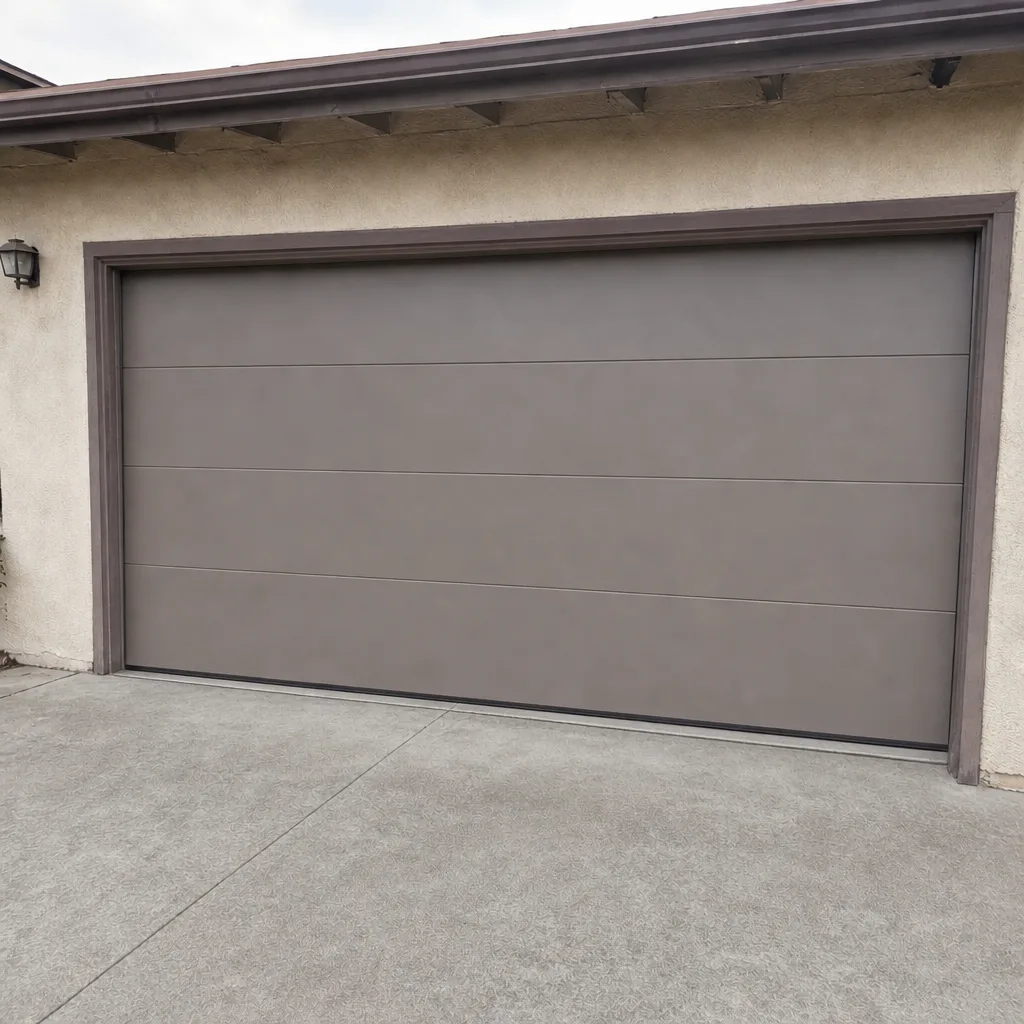 After
When to Call a Professional
Call when the door is part of your daily routine and something has changed. A door that pops, a cable with a broken strand, a door that reverses without an obstruction, a door that rises unevenly, or any door that won’t open all the way is a professional visit, not a weekend project. Springs and cables are under stored energy that can cause serious injury, and a door that behaves unpredictably is a hazard to anyone walking under it. If the warning sign is only a squeal or a slow start, schedule the visit and keep the door in light use until then. If you’re not sure which category you’re in, call us and describe it. Northwind Garage Door Repair offers free estimates in Enterprise, and we answer 24/7. Call (888) 915-1004. Fast dispatch from 7am to 7pm, Sunday through Friday.
Frequently Asked Questions
A popping sound followed by a door that won’t move, or a frayed cable, is the most urgent. Both mean a component is under tension and has already failed. Stop using the door and call (888) 915-1004 for an exact quote before any work starts.
No. A squeaky door almost always needs lubrication or roller service, not a new door. Squealing is friction, and friction is usually in the rollers, hinges, or a dry spring, all of which are repairable. We let the diagnosis decide, never the noise alone. Call (888) 915-1004 for an estimate.
Unexpected reversing is usually a force-limit or logic-board issue on the opener, not a blocked sensor. Check the sensor eyes for debris, and if they’re clean, the opener’s force setting or board has failed. That’s a call-today sign, because the door’s behavior is unpredictable. Call (888) 915-1004. We answer 24/7.
Yes, in specific ways. Dry air evaporates lubricant from springs and rollers faster, UV dries out cables and seals, and wind-blown dust acts like sandpaper on tracks and rollers. None of these cause a failure overnight, but they shorten the time between warning sign and failure. That’s why we treat squealing and slow acceleration in Enterprise as a scheduled visit rather than something to ignore.
The process is the same, but the failure signatures differ. Genie drives often show stretched-belt hesitation and worn screw greases, while Chamberlain and LiftMaster units often show startup clicks from the drive gear and logic-board issues that can drop the Wi-Fi connection. We service both, and the diagnosis is the same regardless of brand. Call (888) 915-1004 for a free estimate.
You can safely clean tracks, check seals, and watch and listen for the symptoms in this guide. You should not touch the torsion spring, the cables, or anything that requires opening the opener’s housing. Springs and cables hold energy even when the door is down, and those repairs belong to a trained technician. For anything on the spring or cable side, call (888) 915-1004.
If you’re near the heart of Enterprise, we can usually see you on the same visit, whether you’re dealing with a door that pops or an opener that’s behaving strangely.
The Bottom Line
The warning signs that matter most are the quiet ones: a door that’s slower than it was six months ago, a squeal that’s become background noise, a gap in the seal. Sounds tell you which metal is failing. Movement tells you whether the door or the opener is at fault. Visual checks in Enterprise’s dry climate catch spring rust, UV-dried cables, and shrunken seals before they become replacements. Sort every sign into call-today versus schedule-this-month, and the expensive failures mostly stay out of your life. When you’re not sure, call (888) 915-1004. We answer 24/7, and Northwind Garage Door Repair handles the door, the opener, and the install with one crew and one point of contact.
Written by the team at Northwind Garage Door Repair, serving Enterprise since 2018.