
Last updated November 14, 2026
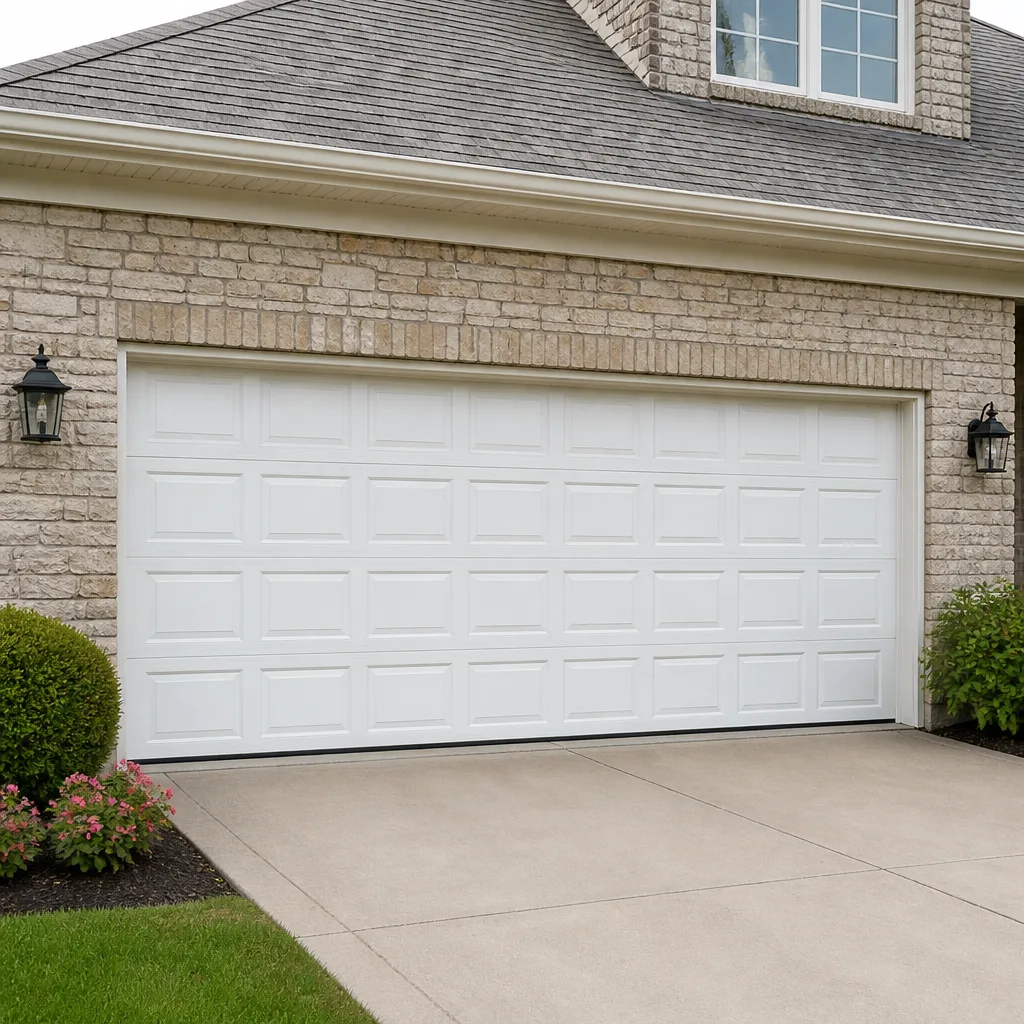 Raised-panel steel
 Carriage house
 Modern flush
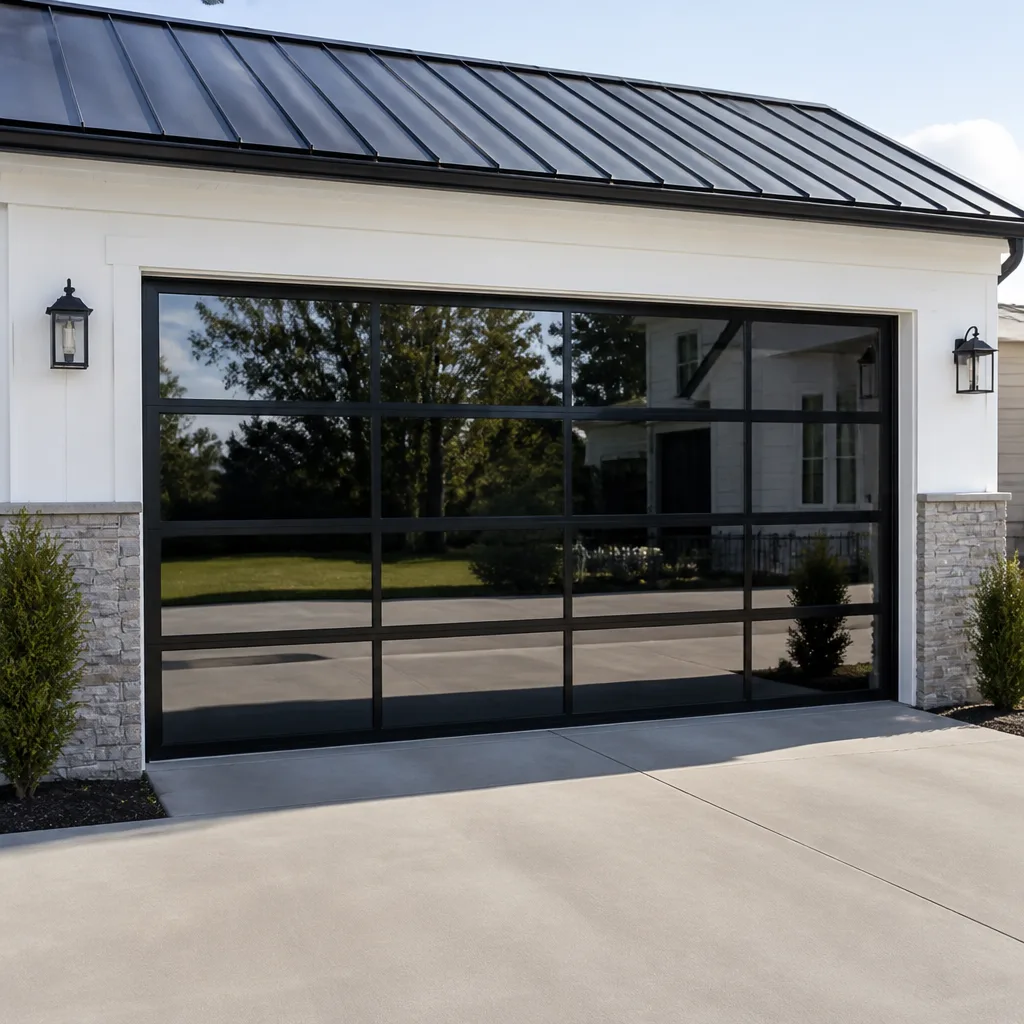 Full-view glass
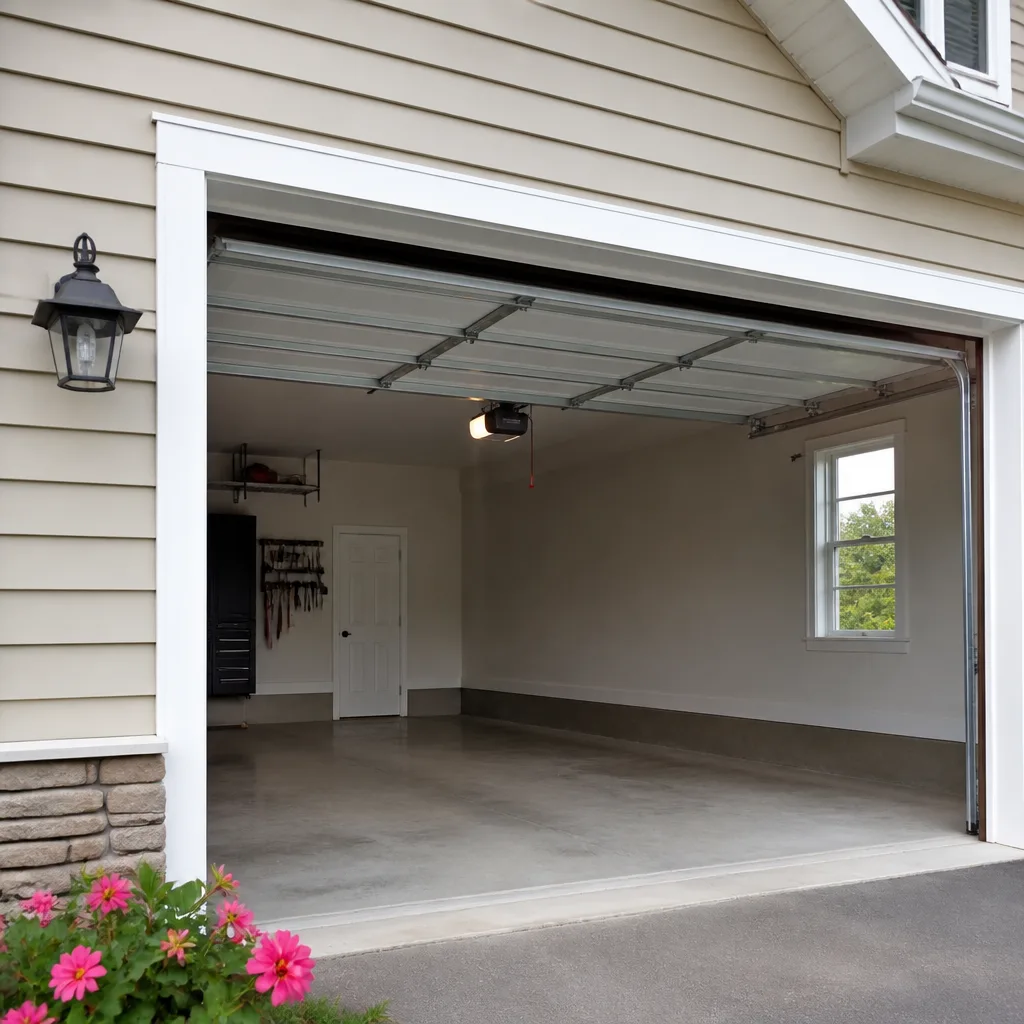 LiftMaster openers
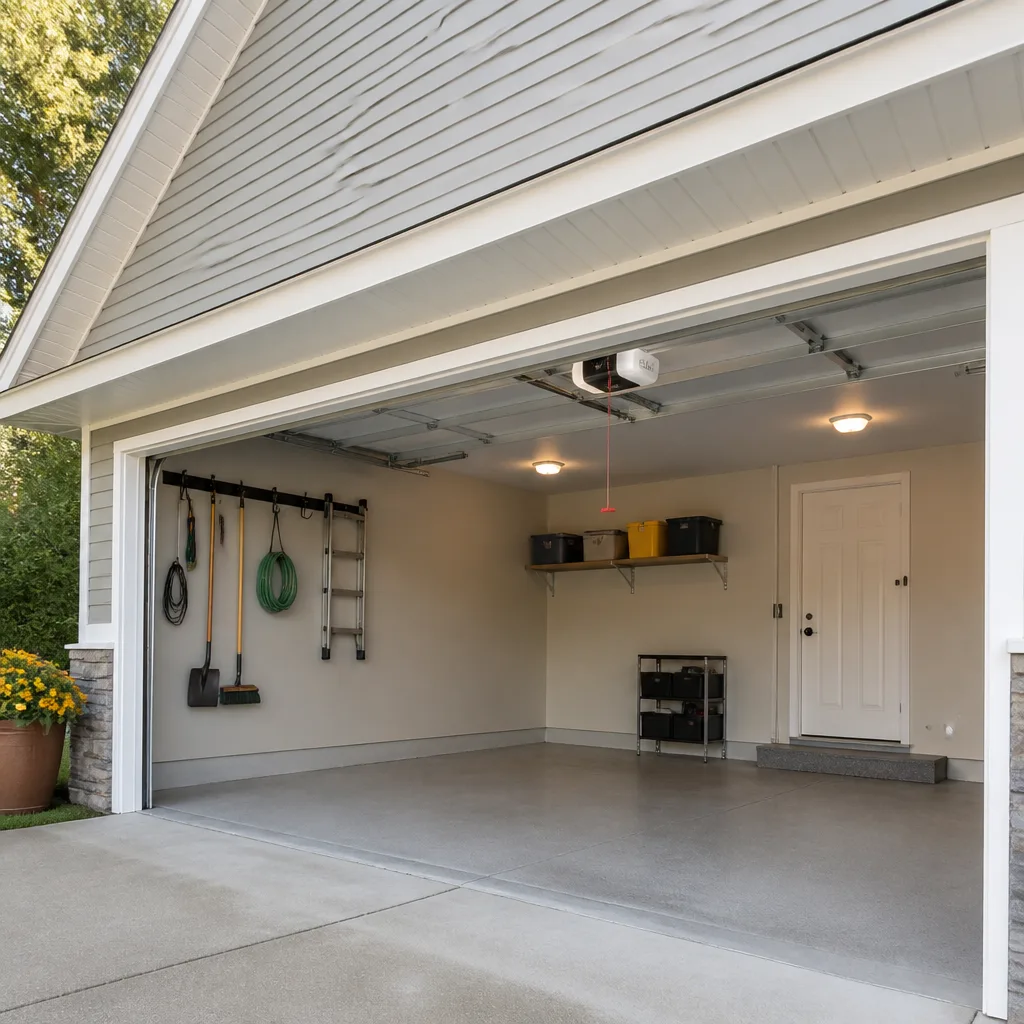 Chamberlain openers
Full 25-point door and opener safety check with every visit - springs, cables, rollers, tracks, and your LiftMaster or Chamberlain opener included
You get a price before we start. It does not change when the truck arrives.
Get your free estimateGarage Door Repair Maintenance Schedule: What to Do and When
Most homeowners treat garage door maintenance as one annual event: call someone, get a tune-up, forget about it until next year. That single-checkup model is why a lot of doors in Enterprise start groaning, binding, or stalling years before their components should be worn out. A garage door isn’t one machine on one clock. Springs, rollers, hinges, seals, and opener electronics age at different rates, and the Nevada desert pushes each of them harder than the generic maintenance advice you’ll find online assumes. That advice was written for a temperate climate with mild summers. This guide gives you a schedule built for Enterprise: monthly checks that take five minutes, seasonal work tied to our heat and cool-down, and the bigger tests that only need doing every year or two. We’ll also tell you plainly which jobs you can handle yourself, which need a wrench, and which you should never touch.
Quick Answer
A garage door maintenance schedule should follow three rhythms rather than one annual tune-up: monthly visual and safety checks you can do in minutes, seasonal tasks timed to Enterprise’s heat and the fall cool-down, and deeper mechanical inspections every year or two. Lubrication, balance testing, and seal inspection carry the most weight in our climate, and torsion springs, cables, and opener capacitors should always be checked by a trained technician.
Styles & brands we work with
- Raised-panel steel
- Carriage house
- Modern flush
- Full-view glass
- LiftMaster openers
- Chamberlain openers
Table of Contents
- Why Enterprise’s Climate Demands Its Own Schedule
- The Five-Minute Monthly Check
- Seasonal Rhythms: Pre-Summer and Post-Summer
- Lubrication: Why the Wrong Product Does Damage
- The Balance Test and the 60-Day Warning Sign
- Opener Care: Capacitors, Force Settings, and Wi-Fi
- Keeping a Garage Log That Saves You Money
- Common Mistakes to Avoid
Why Enterprise’s Climate Demands Its Own Schedule
Summers around Enterprise routinely push garage interiors above 110°F. A garage sitting in full afternoon sun becomes a heat box with no air movement, and that changes how the parts inside it wear. Lubricant thins out and migrates off the surfaces it’s supposed to protect. Weatherstripping along the bottom and sides of the door dries, hardens, and cracks faster than in a milder climate. Opener capacitors, which store and release the burst of power that starts the motor, sit in that same heat and degrade on a shorter timeline than a manufacturer’s standard maintenance interval assumes.
Then the cool-down arrives. When temperatures fall, metal contracts, and a torsion spring that was already near the end of its life has less tolerance for the change. That’s why the fall balance test matters here more than the spring checklist many national guides hand out. The seasonal swing in Enterprise isn’t a gentle one, and a maintenance plan that ignores it leaves the most stressed parts checked at the wrong time of year.
None of this means the door needs constant attention. It means the attention should land at the right moments. Check seals and lubricant before the heat arrives, not in the middle of it. Test balance as the cool weather settles in, so a weakening spring gets caught before it snaps. The sections below break those moments into a schedule you can actually keep. When a task moves past your comfort level, our garage door repair team can pick it up from there.
The Five-Minute Monthly Check
Most of what goes wrong with a garage door announces itself early if anyone is watching. A monthly walk-around catches those signals while they’re still cheap to fix. Set a reminder on your phone for the same day each month. The whole routine takes about five minutes, needs no tools, and covers the things that matter most.
- Listen to the door as it opens. A smooth hum with a light rattle is normal. Grinding, squealing, or a rhythmic thump that repeats at the same point in the travel means something is off. Note where in the cycle the noise happens.
- Watch the travel. The door should rise and lower in one steady motion. Jerking, pausing, or a door that reverses before it reaches the floor needs a closer look.
- Look at the rollers and hinges. Check for wobble, cracks in the nylon, or a roller riding crooked in the track. You’re looking, not touching; fingers near a moving door or a wound spring are a bad idea.
- Run the safety reverse test. Place a roll of paper towels or a block of wood flat on the floor in the door’s path and close it. The door should reverse on contact. If it presses down and stops, the opener’s safety system needs attention right away.
- Check the photo-eye alignment. The two small sensors at the bottom of the tracks should have a steady light on each. A flickering or dark light usually means something is blocking the beam or the lens is dusty.
- Scan the bottom seal. Look for gaps, tears, or a seal that’s pulling away from the door. A failing seal lets in dust, heat, and pests, and in Enterprise it’s often the first thing the sun finishes off.
Write down anything you notice, even if it seems minor. A note like “clunks at the halfway point” gives a technician a head start and can save you a second visit. That’s the difference between a quick diagnosis and starting from scratch.
Seasonal Rhythms: Pre-Summer and Post-Summer
The two hinge points in the Enterprise maintenance year are the run-up to summer and the weeks after it breaks. Each has its own checklist, and each targets problems the other season creates.
Before summer: heat-proofing the door
- Lubricate hinges, rollers, and the torsion spring with a silicone-based product. This is the single most important pre-summer task in our climate; the section below explains why the wrong lubricant is worse than none.
- Inspect the bottom and side seals for drying or cracking. A seal that’s already stiff will finish failing in the first heat wave. This is also a good time to check the seal on the door between the garage and the house, since that gap affects how much heat moves indoors.
- Have the opener’s capacitor and drive checked by a technician. Heat degrades capacitors, and a failing one shows up as a motor that strains or a door that won’t lift on the first push. We test these on garage door opener repair visits so a weak capacitor doesn’t leave you stuck in August.
- Check the opener’s force and travel settings. Heat expands the door’s metal slightly, and a door that was perfectly adjusted in spring can bind in July if the settings are borderline.
After summer: cooling-down checks
- Re-inspect every seal for heat damage and replace the worn ones before the cool season pulls them tight and leaves gaps.
- Run the balance test (covered below) as temperatures drop. Cooler air contracts the springs and the door’s metal, and a spring that was marginal all summer often reveals itself here.
- Clear the tracks of grit and debris that collected over the dry months. Desert dust settles into the track channels and turns into a grinding paste if it’s left.
- Test the safety reverse and photo-eye system again. Cool weather is a good time to confirm the opener’s safety functions still respond correctly.
If a check turns up something you’d rather not tackle, a free estimate takes the guesswork out of the decision. Northwind Garage Door Repair works across the brands most Enterprise homes already have, from LiftMaster and Chamberlain openers to Raynor and Genie doors, so a mixed-brand setup doesn’t mean a runaround.
Lubrication: Why the Wrong Product Does Damage
This is where a lot of well-meaning maintenance goes wrong. The blue-and-yellow spray can in most garages is a penetrating oil, and it is the wrong product for a torsion spring. Penetrating oils are designed to creep into tight spaces and break down rust and grime. On a spring, that creeping action works its way between the coils and thins out whatever protective film was already there. Used repeatedly, it can leave the spring drier than it started and more prone to corrosion and fatigue. We’ve seen more than one spring that failed early after a season of the wrong spray.
The right choice for high-heat environments is a silicone-based lubricant. It holds up in triple-digit temperatures without thinning and migrating off the parts, and it doesn’t attract the dust that turns into grit. A few things to keep straight:
- Use silicone lubricant on: hinges, the torsion spring, the roller stems, and the bearing plates at the ends of the shaft.
- Never use it on the tracks. Tracks should stay clean and dry. Lubricant in the track attracts dust and grit, and rollers need to roll, not slide.
- Wipe before you spray. A quick wipe with a dry cloth removes the old film and dust so the new lubricant can actually reach the metal.
- Reapply before summer, not during. A fresh coat heading into the hot months does more good than a mid-summer touch-up that just sits on top of thinned product.
This is one of the easy tasks on the list, no tools beyond a rag and a can. Lubricating a wound torsion spring is a different story; never try to get at the coil itself where it wraps the shaft. If you’re unsure what you’re looking at, ask a technician to show you on the next visit. Even a small chore done safely is worth it.
The Balance Test and the 60-Day Warning Sign
The springs do most of the lifting. The opener only starts and steers. When a spring weakens, the opener is forced to haul more of the door’s weight, which shortens the opener’s life and is the root cause of a lot of “my opener is failing” calls that turn out to be spring trouble. A balance test tells you how much help the springs are still giving.
How to run a balance test
- Disconnect the opener by pulling the release cord so the door is on manual operation.
- Raise the door to about waist height and let go.
- A balanced door holds its position, or drifts slightly and settles. A door that sinks on its own, or needs a firm shove to stay put, is telling you the springs are tired.
- Lower it back down and re-engage the opener.
What the results mean
A door that won’t hold itself at half height is a spring that’s on the way out. In our experience, that’s often a warning you get roughly 60 days before a spring gives up entirely, which is why we recommend running the test in the fall: the cool-down stresses a weak spring, and catching it early means replacing it on your schedule instead of discovering it snapped with the car trapped inside on a busy morning.
The other test worth knowing is force resistance: how much resistance the door meets on the way down. You can feel it by hand, but the honest measure is what the door does under normal opener operation. If the door reverses for no clear reason, or the opener strains to move it, the resistance is too high, and the cause is usually a roller, a track, or spring tension. Any adjustment to spring tension is a technician job. A wound torsion spring stores enough energy to cause serious injury, and this is not a component to adjust at home. Call a trained professional, and leave the balancing to them.
Opener Care: Capacitors, Force Settings, and Wi-Fi
Opener maintenance is its own short list, and it’s easy to neglect because the opener hides above your head and only makes noise when the door moves. Heat is the enemy here as much as anywhere else in the garage. A few tasks matter more than the rest:
- Capacitor check (technician): capacitors store the starting charge for the motor, and summer heat wears them out faster. A motor that hums and strains, or occasionally won’t start without a nudge, often has a weak capacitor. Have it tested before the worst of the summer.
- Force and travel settings (technician or basic tools): these settings control how hard the opener pushes and how far the door travels. They drift as the door’s resistance changes with temperature. Correct settings protect both the motor and the door.
- Photo-eye and reverse test (you): keep this in the monthly routine; it’s the safety function that prevents the door from closing on a person, pet, or object.
- Wi-Fi and smart-home controls (you): if you run a LiftMaster or Chamberlain smart opener, check that the phone app and any home-automation routines still work. A firmware hiccup can leave the manual control fine while the app shows offline; a quick power cycle usually clears it.
Legacy openers need a different kind of attention. A Craftsman or Genie unit that’s been opening the same door for years can be perfectly reliable, but its parts age differently than a newer Wi-Fi model. Our team works across both, so whether it’s a current-generation LiftMaster or an older drive system, we diagnose the actual problem rather than guessing from one brand’s playbook. When the opener is the culprit, we handle it through garage door opener repair as its own job, rather than lumping it into general door work.
Keeping a Garage Log That Saves You Money
One of the simplest things you can do for your door is also one of the least common: keep a log. A small notebook hanging on a nail near the door, or a note on your phone, gives every future technician a head start. Here’s what’s worth recording:
- Part ages: when the door was installed, when the springs, rollers, and opener were last replaced, and roughly how many open-and-close cycles the door does per day. A door that opens four times a day wears very differently than one that opens ten times a day, and cycle counts are the honest measure of spring life.
- Last service date: when a technician last inspected or adjusted anything, and what they found.
- The monthly checks: a one-line note each month on noise, travel, and seal condition. Patterns jump out fast. “Clunky in July, fine in September” tells a technician something.
- Brand and model: the door’s brand (Clopay, Amarr, Wayne Dalton, Raynor, and the others) and the opener’s make and model. Having this ready when you call means the right part can be sourced without a delay.
This log is the single most useful document you can hand a technician. It shortens diagnosis, cuts down on unnecessary parts swaps, and turns a future service call into a targeted visit rather than a starting-from-zero investigation. It’s also a hedge against the “we don’t service that brand” runaround, since you’ll know exactly what you have before anyone arrives. Our Northwind Garage Door Repair team services these brands directly, so the log’s details are never wasted.
Common Mistakes to Avoid
- Treating maintenance as one annual tune-up. A single yearly check can’t catch heat damage to seals or a weakening spring in the right season. The rhythms in this guide exist precisely because one yearly visit misses what Enterprise’s climate stresses hardest.
- Spraying a penetrating oil on the spring. It thins and breaks down the protective film and leaves the spring prone to fatigue. Use a silicone-based lubricant instead, and only where it belongs.
- Lubricating the tracks. It feels helpful, but it turns the track into a dust magnet. Tracks should be cleaned and left dry.
- Ignoring the balance test after summer. The cool-down is when a tired spring tends to reveal itself, and skipping the test means finding out the hard way when it snaps.
- Adjusting the torsion spring yourself. A wound spring holds dangerous stored energy. This is a job for a trained technician, every time, no exceptions.
- Letting the bottom seal go. A cracked seal pulls in desert dust and heat through the dry months. Replace it when it stiffens, before it fails entirely.
- Never writing anything down. Without a log, every technician starts from scratch, and you lose the track record that would make future visits faster and more accurate.
None of these are rare mistakes, and all of them are easy to correct once you know the right schedule.
See the difference
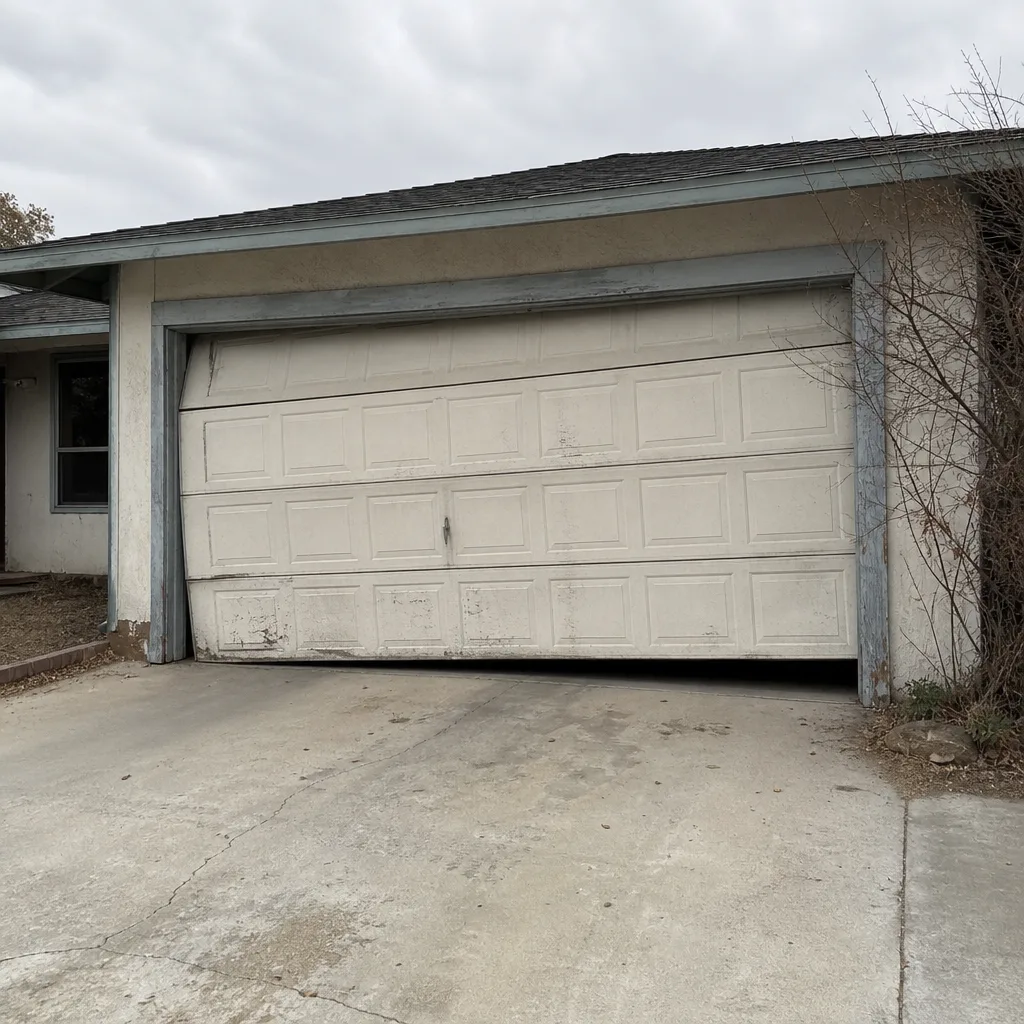 Before
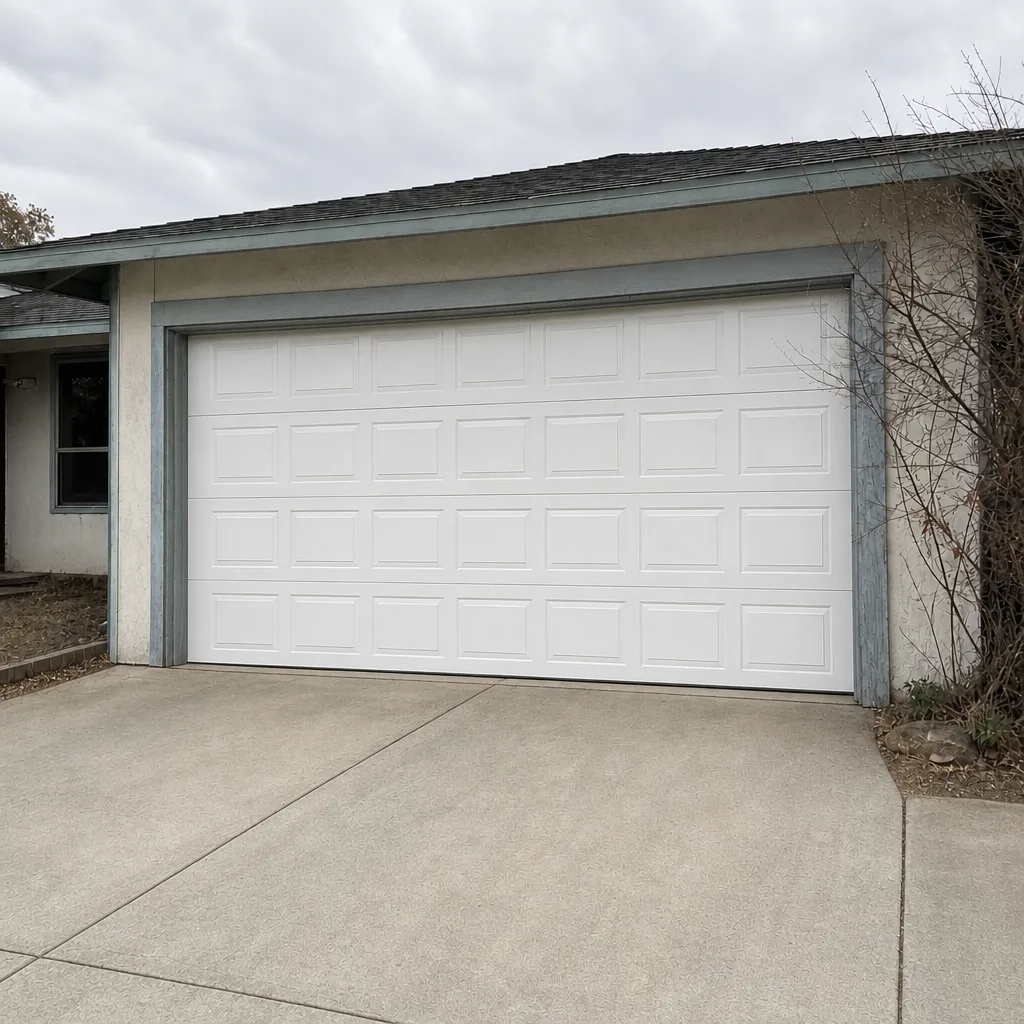 After
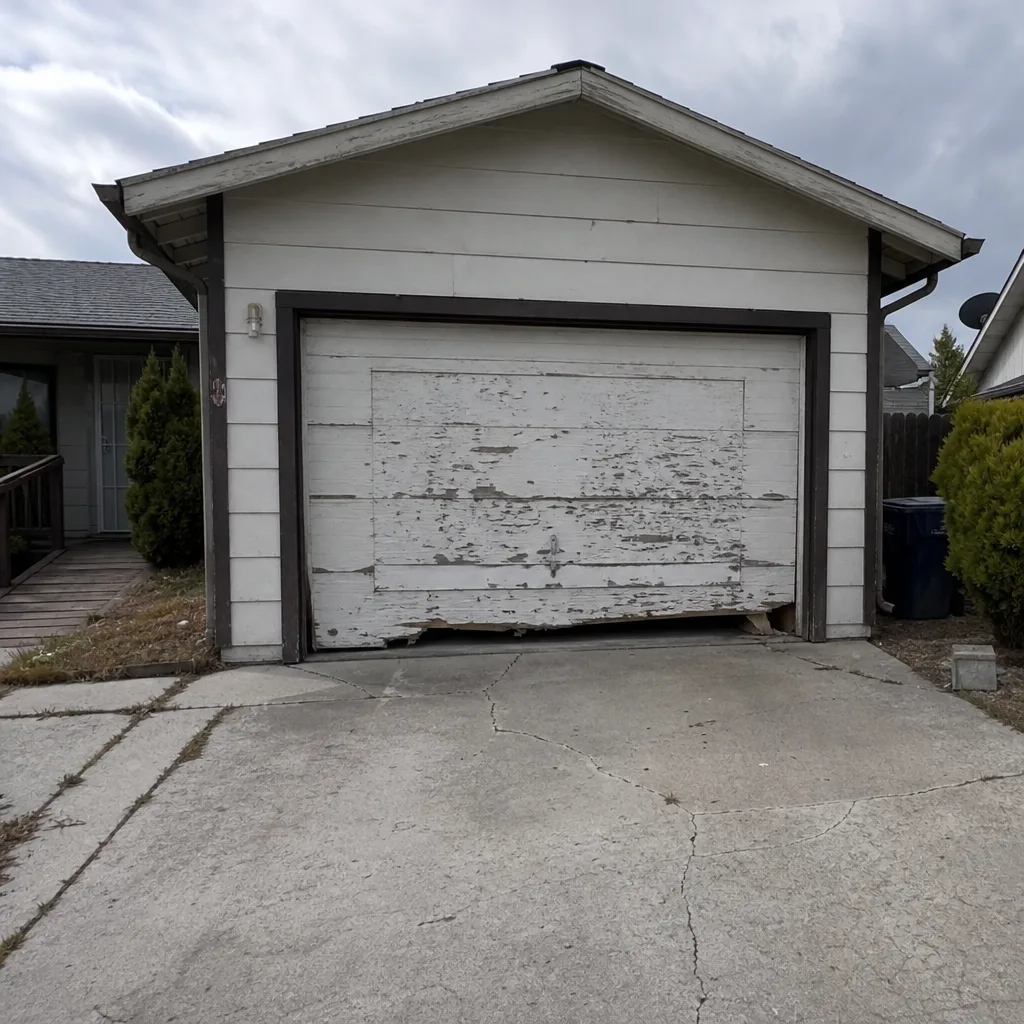 Before
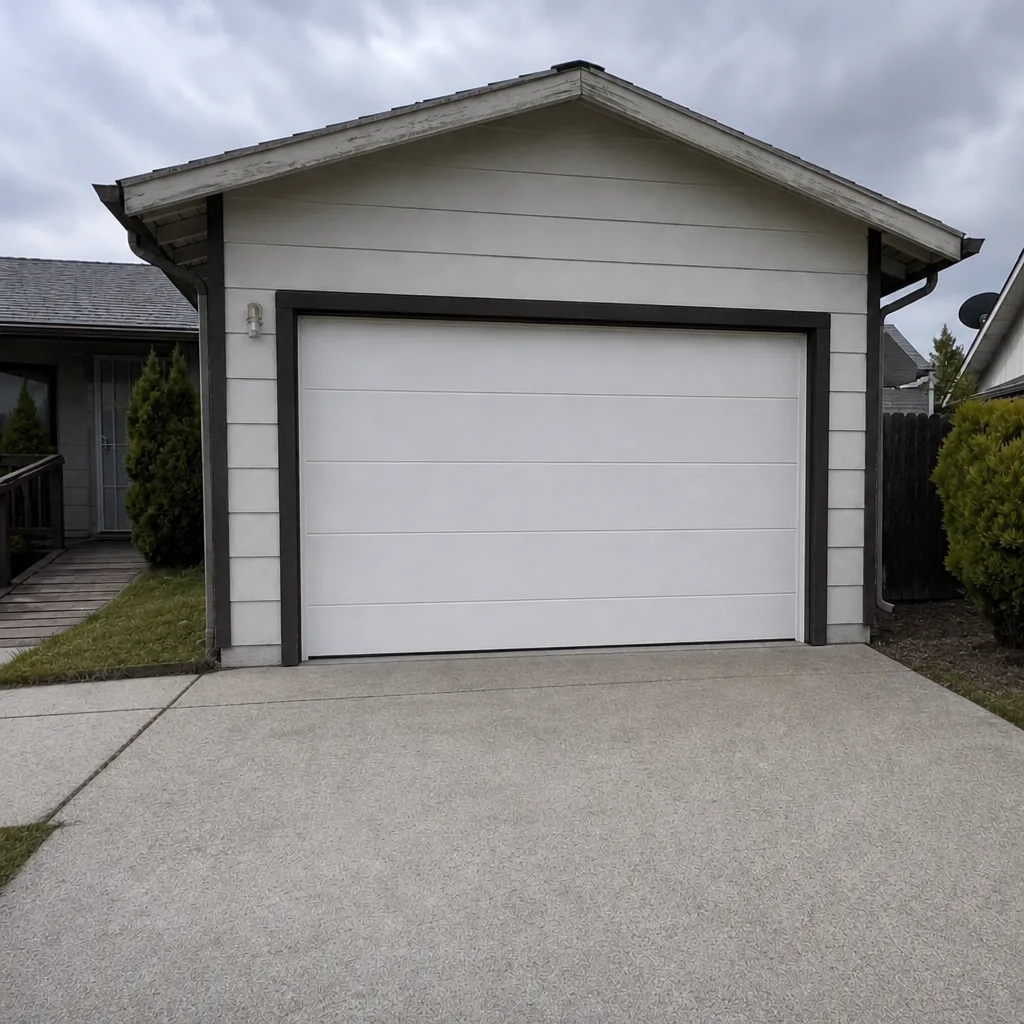 After
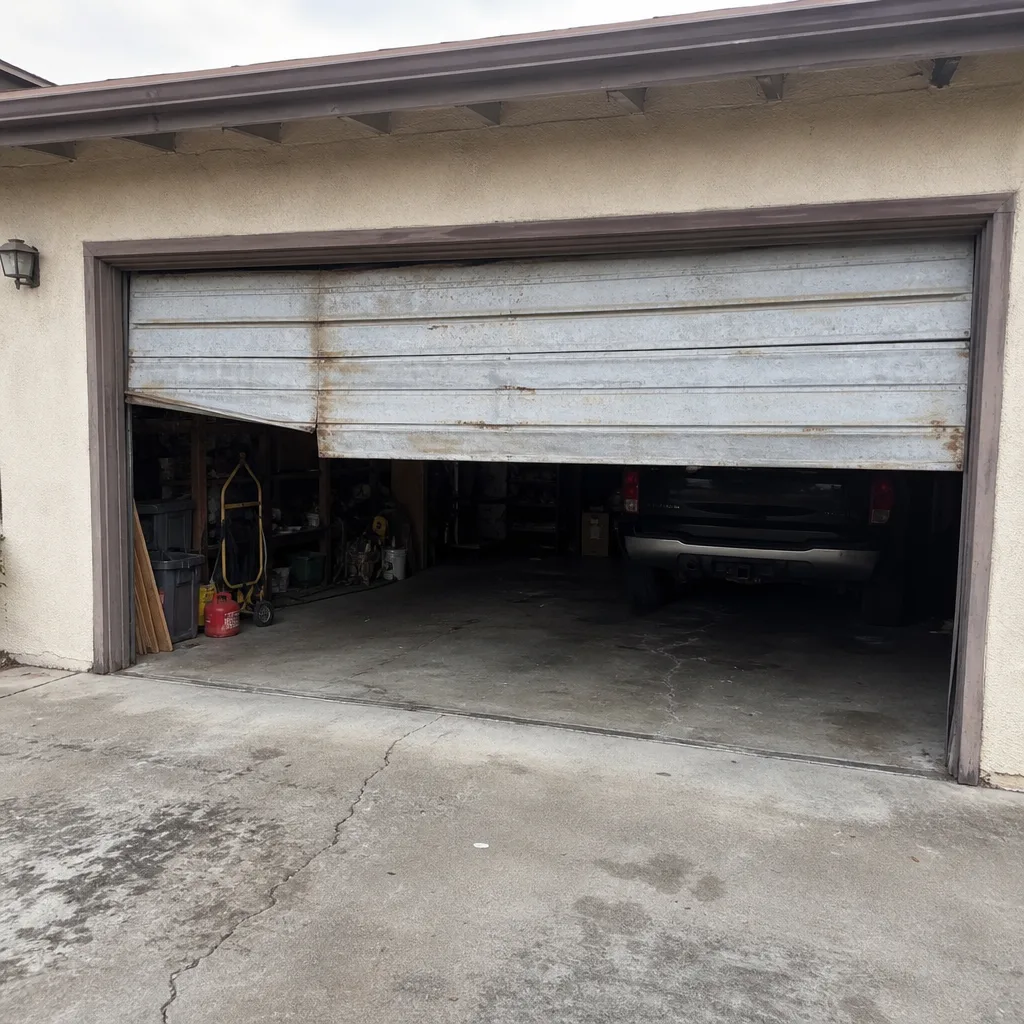 Before
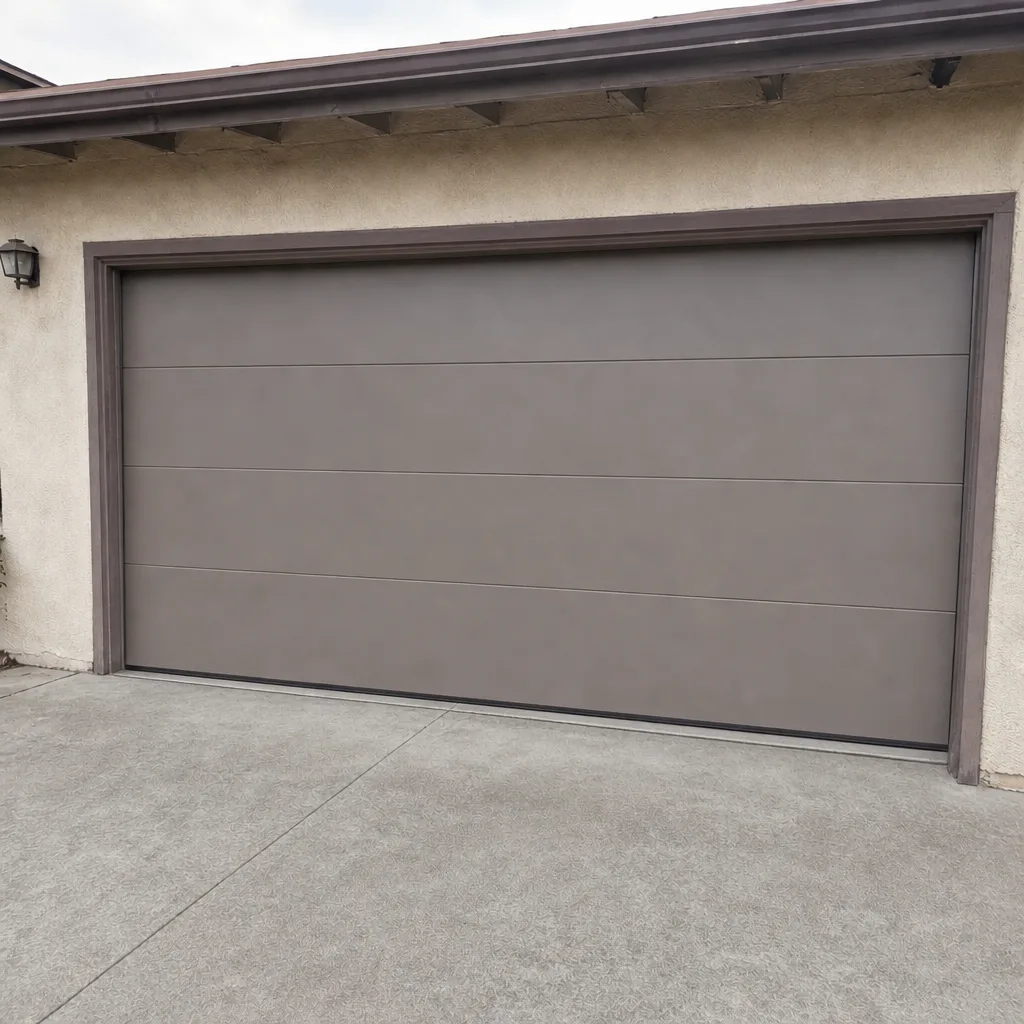 After
When to Call a Professional
Some jobs are yours to do; others carry risk that outweighs any savings. Call a trained technician when a torsion spring is visibly stretched, crooked, or making a gap, or when a balance test shows the door won’t hold itself. Call when a cable is frayed or your photo-eye or reverse test fails, since those are safety functions. Call when the door binds, jerks, or drops unevenly, or when the opener hums without moving the door. And call if a brand puzzle has you stuck; Northwind Garage Door Repair services Raynor, LiftMaster, Chamberlain, Genie, and more, so a mixed-brand setup isn’t a dead end. Northwind Garage Door Repair offers free estimates in Enterprise: call (888) 915-1004. We answer 24/7. Fast dispatch from 7am to 7pm, Sunday through Friday.
Frequently Asked Questions
Plan on a monthly five-minute visual and safety check, seasonal tasks timed to the pre-summer and post-summer swings, and a deeper mechanical inspection every year or two. The heat in Enterprise makes the seasonal checks more important than the annual one, not less. If you’ve never had the door serviced and it’s more than a few years old, start with a professional inspection to establish a baseline. Call (888) 915-1004 for a free estimate.
It’s a penetrating oil, designed to creep into tight spaces and break down rust and grime. On a torsion spring, that creeping action thins the protective film and can leave the metal drier than before, which shortens spring life. A silicone-based lubricant holds up better in high heat and stays where it’s applied. Call (888) 915-1004 if you’re unsure what’s currently on yours; we can tell you on a visit.
Yes. Disconnect the opener, raise the door to waist height, and let go. A balanced door holds or drifts slightly; one that sinks on its own needs attention. What you should not do is adjust the spring tension yourself, since a wound spring stores dangerous energy. Call (888) 915-1004 for a technician to handle the adjustment.
A motor that hums and strains, or occasionally won’t start the door without a nudge, often has a weak capacitor. Heat wears capacitors faster, which is why we recommend a check before the hottest months in Enterprise. Call (888) 915-1004 and we can test it directly.
The rhythm stays the same, but the specific parts and their wear characteristics differ by brand. A Raynor door and a LiftMaster opener in the same garage can each need attention at different points in the year. Northwind Garage Door Repair works across both, so one visit can cover the door and the opener together. Call (888) 915-1004 for an estimate.
Record part ages, the dates of past service, your monthly checks, and the door and opener brand and model. The log shortens diagnosis and helps the technician reach an accurate recommendation faster. Keep it simple: a notebook near the door is enough. Call (888) 915-1004 with your model numbers for a free estimate.
The Bottom Line
A garage door maintenance schedule is really a layered rhythm, not one checklist. The monthly checks catch small problems before they grow, the seasonal tasks target what Enterprise’s heat and cool-down wear hardest, and the annual or biennial inspection catches the mechanical issues that need a trained eye. Use the right lubricant, run the balance test in the fall, keep a log, and stay away from the torsion spring. That schedule costs you a few minutes a month and saves real money over the life of the door. When any task crosses into the danger zone, that’s when we’re worth the call.
If a check turns up something you’d rather have a professional handle, we’re ready to take a look. Northwind Garage Door Repair handles repair, opener work, and installation under one roof, across the brands most Enterprise homes have. Call us at (888) 915-1004 for a free estimate on garage door service in Enterprise. We answer 24/7. Fast dispatch from 7am to 7pm, Sunday through Friday.
Written by the team at Northwind Garage Door Repair, serving Enterprise since 2018.