
Last updated November 14, 2026
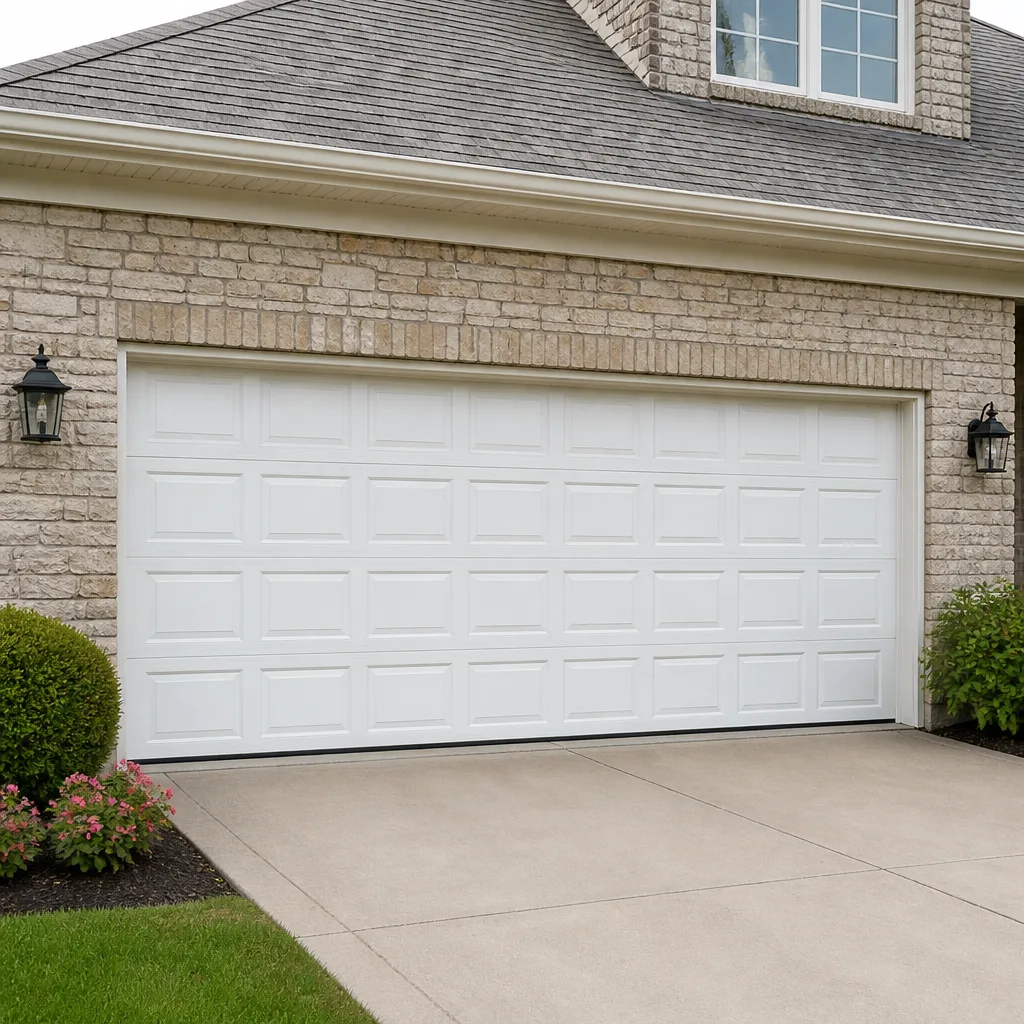 Raised-panel steel
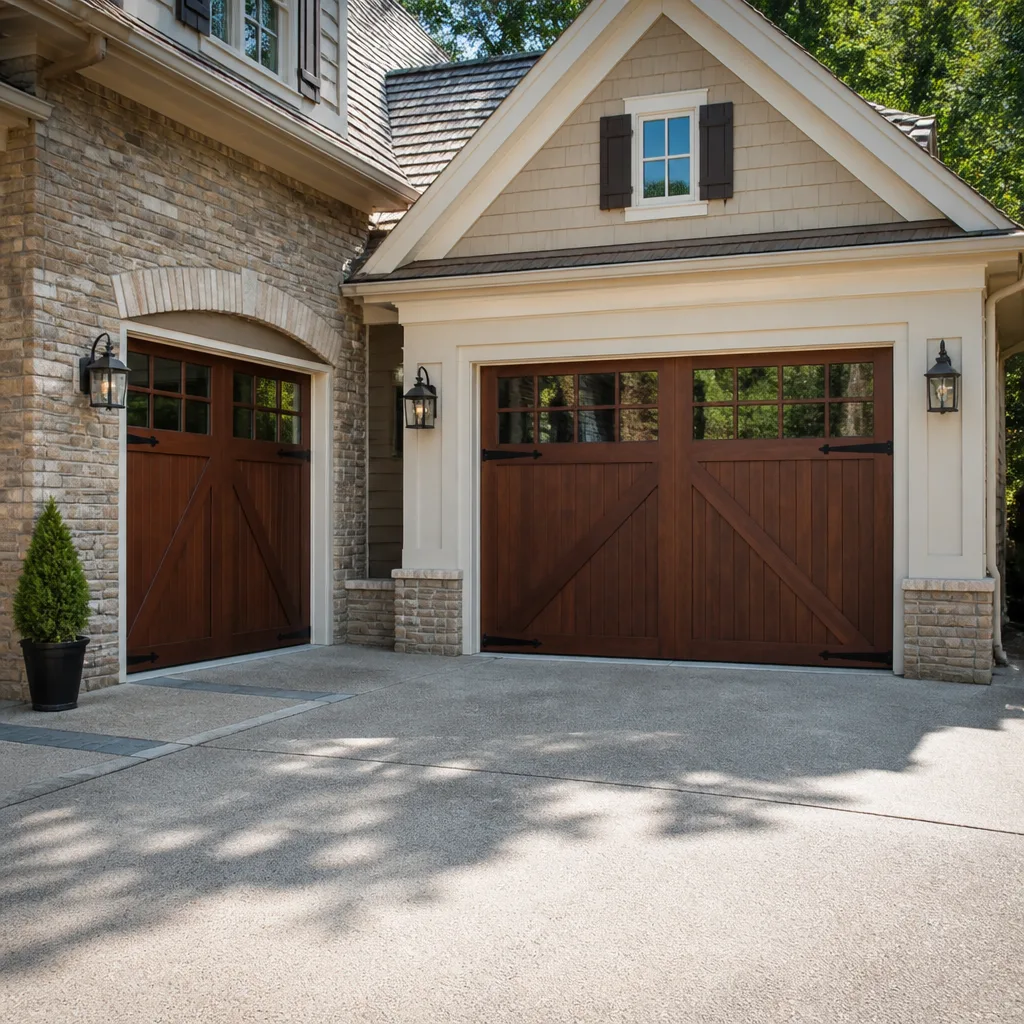 Carriage house
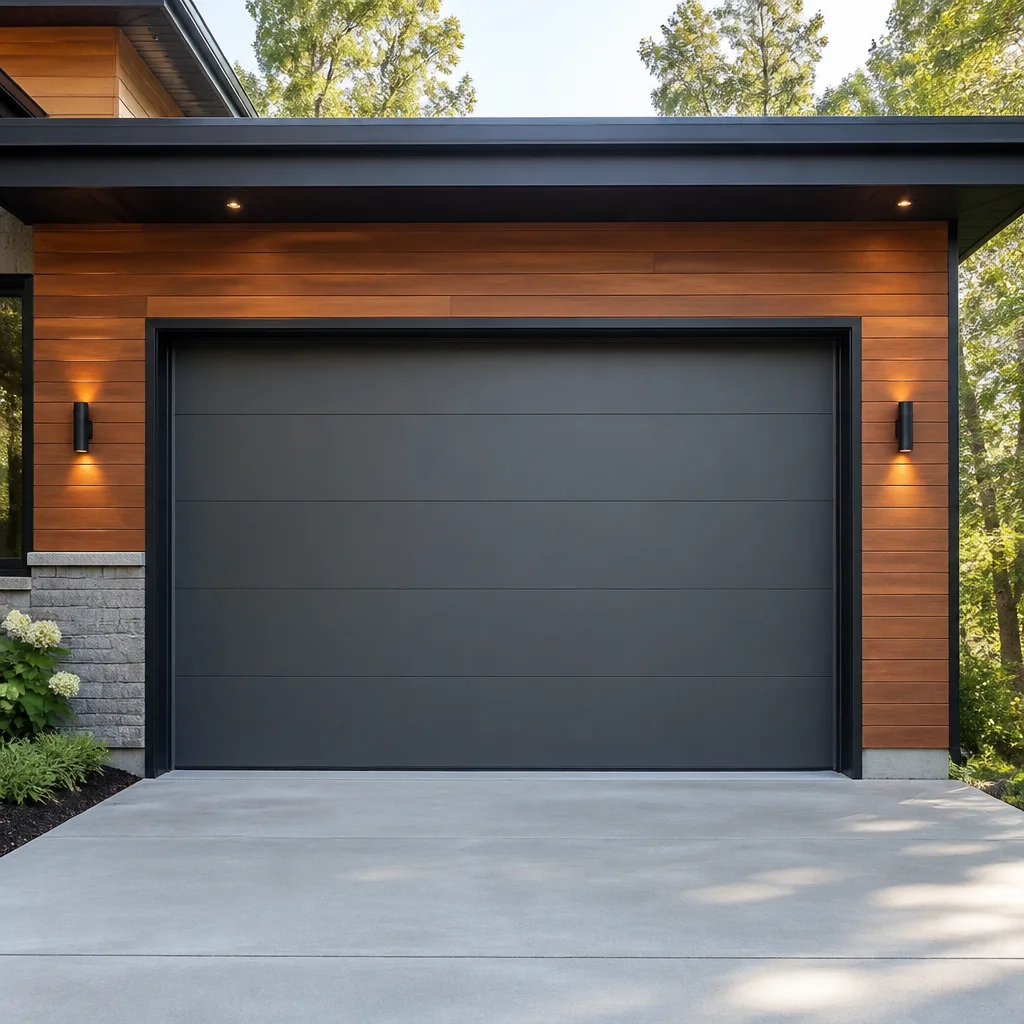 Modern flush
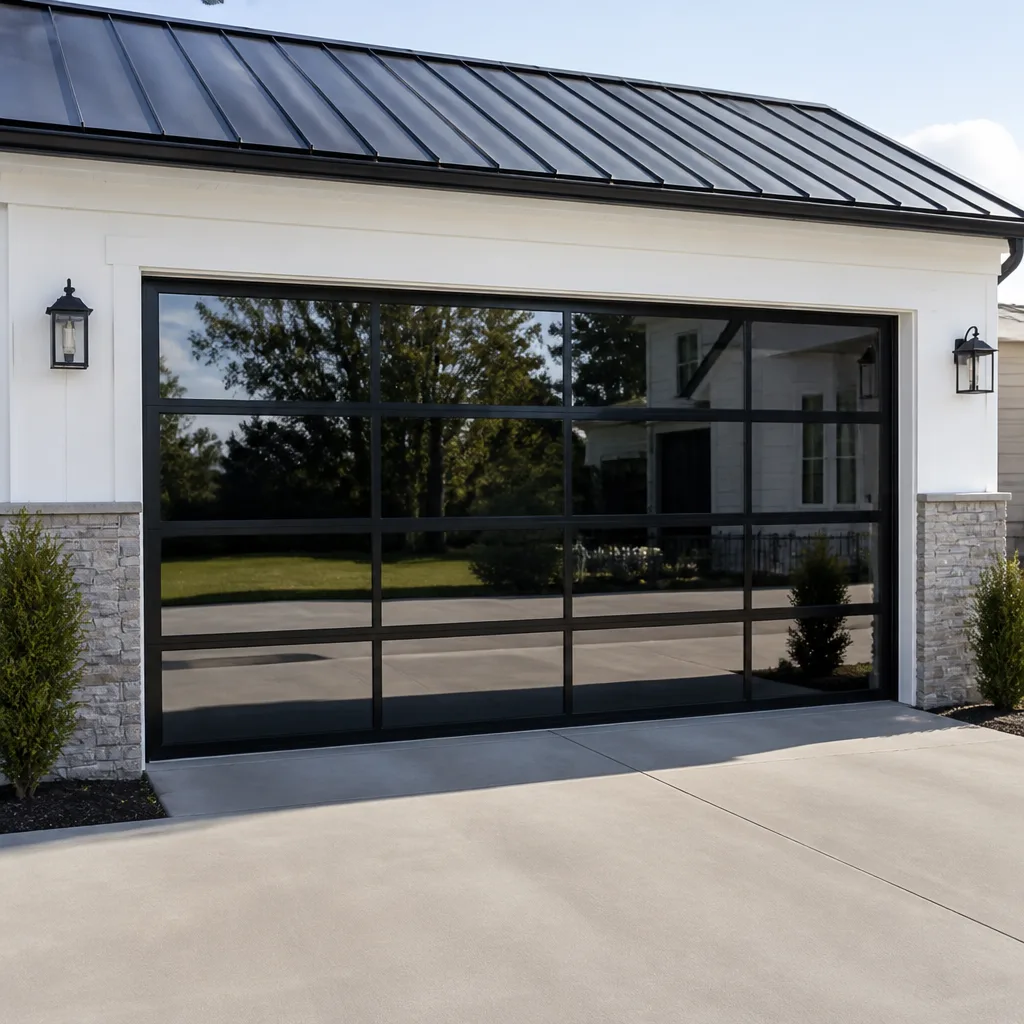 Full-view glass
 LiftMaster openers
 Chamberlain openers
Full 25-point door and opener safety check with every visit - springs, cables, rollers, tracks, and your LiftMaster or Chamberlain opener included
You get a price before we start. It does not change when the truck arrives.
Get your free estimateGarage Door Cost Breakdown: The Enterprise Homeowner’s Reference for 2026
Most homeowners assume the labor line is where contractors pad a garage door quote. In our experience, it’s usually the most honest number on the page. The real variance hides in three quieter places: the parts markup, the disposal fee, and what a company means by “standard service call.” Two quotes that look a hundred dollars apart can be thousands apart over the life of the door once you account for spring cycle ratings, panel gauge, and whether the opener is a stripped-down builder unit or a smart-home model. We service Wayne Dalton, Craftsman, LiftMaster, and five other major brands, and we’ve sat across from enough Enterprise families comparing bids to know where the confusion starts. This guide names every real cost driver for 2026, shows you how to read a quote line by line, and explains what changes the number in Enterprise specifically.
Quick Answer
Garage door repair in Enterprise in 2026 typically runs $150 to $500 for the most common single fixes (spring, cable, or a section of panel), an opener swap usually lands between $350 and $700 installed, and a full new single-car door with installation generally falls between $1,200 and $2,800 depending on material, insulation, and HOA-required specifications. Labor and standard parts are fairly predictable across reputable companies; the big swings come from door grade, high-cycle versus standard springs, and whether your community’s design review board requires a specific panel style or color.
Styles & brands we work with
- Raised-panel steel
- Carriage house
- Modern flush
- Full-view glass
- LiftMaster openers
- Chamberlain openers
Table of Contents
- What Actually Drives Garage Door Cost in Enterprise
- 2026 Price Ranges for the Five Most Common Repairs
- How to Decode a Quote Line by Line
- Standard vs. High-Cycle Springs: The Dollar and Lifespan Difference
- Single-Brand Shops vs. Multi-Brand Independents
- When the Cheapest Bid Is Legitimate
- HOA-Required Upgrades and What They Add
- Repair vs. Replace: The Break-Even Point
What Actually Drives Garage Door Cost in Enterprise
Four things move the price of any garage door job more than anything else: the part itself, the labor hours required, the disposal of what comes out, and the warranty behind what goes in. A torsion spring from a big-box store and one from a professional supply house can look identical in the box and behave completely differently after 8,000 cycles. That difference is why two bids for the same spring replacement can be $80 apart.
Enterprise adds its own layer. The desert heat and day-night temperature swing that defines the valley shorten the working life of every metal component on your door – springs, cables, hinges, rollers, and opener gears alike. A spring that might last fifteen years in a mild climate often gives out sooner here, and that’s not a defect. It’s the environment. When we quote a repair in Enterprise, we’re quoting for a homeowner whose door faces the same thermal cycling every year, which is why we recommend cycle ratings rather than just part numbers.
Here’s what a fair quote should make clear:
- Part specification – the exact spring, cable, or opener model, not just “heavy-duty.”
- Labor hours – stated or implicit in a flat rate that includes the full job.
- Disposal – old door panels, broken springs, and packaging have to go somewhere.
- Warranty terms – the part warranty and the labor warranty are often different lengths.
- Permit or HOA requirements – if the city or your community requires documentation, that’s a real cost.
If a quote skips all four, it isn’t necessarily dishonest – it’s just hard to compare. Ask for the specification in writing before you sign.
2026 Price Ranges for the Five Most Common Repairs
Enterprise homeowners call us most often for five jobs. Here’s what each typically costs in 2026, and what pushes a job toward the top of the range. These are estimated ranges – the written estimate you receive sets the final price, and you should never accept a job where the price is agreed after the work starts.
| Repair | Typical 2026 Range | What Drives Variation |
|---|---|---|
| Torsion spring replacement (one spring) | $180 – $340 | Cycle rating, spring size, whether a matched pair is replaced together |
| Cable repair or replacement | $150 – $280 | One cable vs. both, drum condition, whether the door is off-track from the failure |
| Panel replacement (one section) | $300 – $700 | Material (steel vs. insulated), manufacturer, color match, discontinued series |
| Opener replacement or upgrade | $350 – $700 installed | Belt vs. chain drive, Wi-Fi vs. basic, battery backup, rail length |
| Full installation (single-car door) | $1,200 – $2,800 | Insulation, gauge, window inserts, HOA color, door style |
One important note on springs: a torsion door almost always uses a matched pair, and the pair is usually replaced together because once one breaks the other is at the same point in its life. That means a pair costs roughly twice the single-spring range above. We tell customers this upfront because it’s the single most common surprise on a garage door invoice.
Cable and panel work on Clopay or Wayne Dalton doors tends to sit mid-range because those manufacturers maintain strong replacement parts availability. An Amarr panel in a discontinued series can push higher because sourcing takes longer.
How to Decode a Quote Line by Line
A garage door quote is a short document that carries a lot of information if you know where to look. Here’s how we’d read someone else’s bid, and how you should read ours:
- Find the part specification. A quote that says “replace spring” tells you nothing. A quote that says “replace both torsion springs, 0.243 wire gauge, 20,000-cycle rated” tells you exactly what you’re buying.
- Look for the disposal line. Reputable companies include it or state it’s included. A missing disposal line that shows up as an add-on later is the exact “padded bill” scenario to watch for.
- Check the warranty split. Manufacturer warranty on the part and the contractor’s warranty on labor are two different promises. Ask for both in writing.
- Read what “service call” means. If a company charges a flat diagnostic fee that isn’t credited toward the repair, you’re paying for the visit even if you decline the work. Ours is a free estimate – the price is quoted and agreed before anything starts.
- Look for a stated door weight or opener horsepower. If the quote recommends a 1/2-horsepower opener for a heavy insulated double door, ask why. An underpowered opener strains, and the strain shows up as a premature failure.
- Compare total cost, not headline cost. A $200 spring with a 10,000-cycle rating and a $280 spring with a 25,000-cycle rating aren’t the same purchase, even though the second number is bigger.
If you’re evaluating bids for garage door repair work in Enterprise, bring the door model number and opener model to the call. It saves guesswork and it usually gets you a faster, more precise quote.
Standard vs. High-Cycle Springs: The Dollar and Lifespan Difference
A standard torsion spring is typically rated for around 10,000 cycles. A high-cycle spring is rated for 20,000 or more. The price difference for one spring is often $40 to $90 in Enterprise, and the lifespan difference is roughly double.
Here’s the practical translation. One cycle is one open-and-close. A household that cycles the door four times a day will put about 1,460 cycles a year on the spring. At 10,000 cycles that’s roughly seven years of service; at 20,000 it’s closer to fourteen. If you plan to stay in the house, high-cycle springs are almost always the better long-term purchase. If you’re selling within a year, standard springs may make more sense. Ask to see the rating in writing – the wire diameter and coil count on the spring tag tell the true story.
The desert heat amplifies this. Metal fatigues faster in wide temperature swings, so the cycle-rating math matters more in Enterprise than it might in a milder climate. We recommend high-cycle springs on nearly every replacement we quote here, and we explain why rather than just upselling to it.
One more cost driver worth knowing: the door’s size and weight determine the spring’s capacity, so a heavy insulated door needs a bigger spring – and the price scales with it. A standard-frame single door usually runs at the lower end of the range; a wide double door with insulation runs at the higher end.
Single-Brand Shops vs. Multi-Brand Independents
A shop that only sells and services one brand has two things going for it: deep familiarity with one product line and potentially better terms with that manufacturer. It has one thing against it: every recommendation it makes is filtered through the products it carries. That’s not dishonest – it’s just a structural limitation. When the only tool you have is a hammer, every problem looks like it needs a hammer.
Multi-brand independents like us work differently. We service LiftMaster, Chamberlain, Genie, Clopay, Amarr, Wayne Dalton, Craftsman, and Raynor under one roof, and we also work on brands we don’t name as partners. That means when a LiftMaster opener dies, we can offer a LiftMaster replacement – or a Chamberlain equivalent, or a Genie, based on what your smart-home setup and door weight actually need. We’re not steering you toward a single product line because it’s the only one on the truck.
The cost effect is real. On parts, a multi-brand independent often sources at better margins because they can compare across multiple suppliers without losing the ability to complete the job. That flexibility usually passes through to the customer. If you’ve been told by another company “we don’t service that brand” – that’s the moment to call us.
For garage door opener repair, the difference shows up fastest. A legacy Craftsman opener and a current Wi-Fi LiftMaster have very different diagnostic paths, and a technician who only knows one system will guess. We don’t guess.
When the Cheapest Bid Is Legitimate
The lowest bid is sometimes the right bid. An independent technician with low overhead, strong supply relationships, and the ability to complete the job cleanly can legitimately quote less than a national franchise. That’s not a warning sign.
It’s also sometimes a signal that the part you’re getting is not the part you think you’re getting. The pattern usually looks like this:
- The quote is $60 or more below the next closest bid for the identical job description.
- The part specification is vague (“standard spring” without a cycle rating).
- The labor warranty isn’t stated, or is very short.
- Disposal isn’t mentioned.
Any one of those things can mean a slightly leaner operation. Two or three together usually mean a part downgrade you won’t discover until year two, when the standard-gauge spring fails six years earlier than it should have. That’s where “cheap” gets expensive.
The way to tell the difference: ask for the cycle rating, the wire gauge, and the labor warranty in writing. A confident contractor will put them in the quote without blinking. Call (888) 915-1004 for a free estimate that spells all three out – estimates are free, and we put the price in writing before anything starts.
HOA-Required Upgrades and What They Add
Enterprise is a covenant-heavy area, and design review boards in many communities have real authority over the color, panel style, and even insulation rating of a garage door. That’s a cost driver most comparison guides ignore, and it’s the one that most often blows up a budget mid-project.
What HOA requirements typically add:
- Color matching – a specific paint color may require a factory finish rather than a paint-to-match field application, adding $150 to $400.
- Panel style – raised-panel, carriage-house, or flush styles each carry their own price, and the required style may not be the cheapest option in that manufacturer’s line.
- Insulation rating – some communities require insulated doors for appearance or sound, pushing you toward a mid-tier or premium model.
- Window inserts – a required design element that adds $100 to $250 per door.
Before you compare bids, request the HOA design guidelines and take them to your estimator. A quote built for a standard raised-panel door isn’t the right quote if your community requires carriage-house panels in a specific color. We ask for the HOA documents on every install quote here for exactly that reason. If you’re ordering a new door through us, we can flag where a requirement is likely to move the price. What we can’t do is argue with your HOA – bring their specs and we’ll build the quote to match.
Repair vs. Replace: The Break-Even Point
The garage door replacement decision comes down to one question: is this a single-part failure, or a systemic one? Replacing a broken spring on a door that’s otherwise in good shape is almost always the right call – the cost is modest and the door keeps working. Replacing the fourth panel in three years on a door that’s already warped, rusted, or out of balance is where a new door starts to make more sense.
A rough break-even framework:
- One failure in a single part, door otherwise sound: repair. Cost is typically in the $150 to $400 range, and you’re back in business the same day.
- Two or more major repairs within twelve months: compare the running total to a new install, including the fact that a new door comes with a fresh warranty on every component.
- Opener failing on a door older than ten years: repair the opener first, but ask whether the door itself has a remaining lifespan worth investing in.
- Visible panel damage, warping, or rust: weigh the cost of matched panels against a full replacement, especially if panels have to be ordered.
If you’re not sure which side of the line you’re on, a diagnostic visit settles it. We do a single-visit diagnosis where we can – the door and the opener are both on the truck, so it’s rare that we need to come back to confirm the root cause.
Common Mistakes to Avoid
- Accepting a bid without a cycle rating on the spring. A spring without a stated rating is a part you can’t compare to any other bid. Insist on the number in writing, or the quote isn’t a quote.
- Skipping the HOA design guideline check. Ordering a door in the nominal cheapest color before confirming the HOA requirement usually means returning the door – and eating the restocking charge.
- Treating all springs as equivalent. Standard and high-cycle springs look similar in the box. The rating tells you which is which, and the rating determines whether you’re replacing it again in seven years or fourteen.
- Assuming the opener is the problem when the door is. A door that’s off-track or has a broken spring will not open properly no matter which opener is pushing it. If you swap the opener first and the door still binds, you’ve paid for two problems.
- Ignoring the disposal line. A bid that doesn’t mention disposal will usually add it after the work is done. Ask for the total installed cost, including removal.
- Calling a single-brand shop for a discontinued line. If your door is a Clopay model the shop doesn’t carry, they’ll often still try to sell you a substitute. A multi-brand shop can get the original part.
- Choosing on price alone without the labor warranty. A $40 difference in bid price means nothing if one company warrants its labor and the other doesn’t.
See the difference
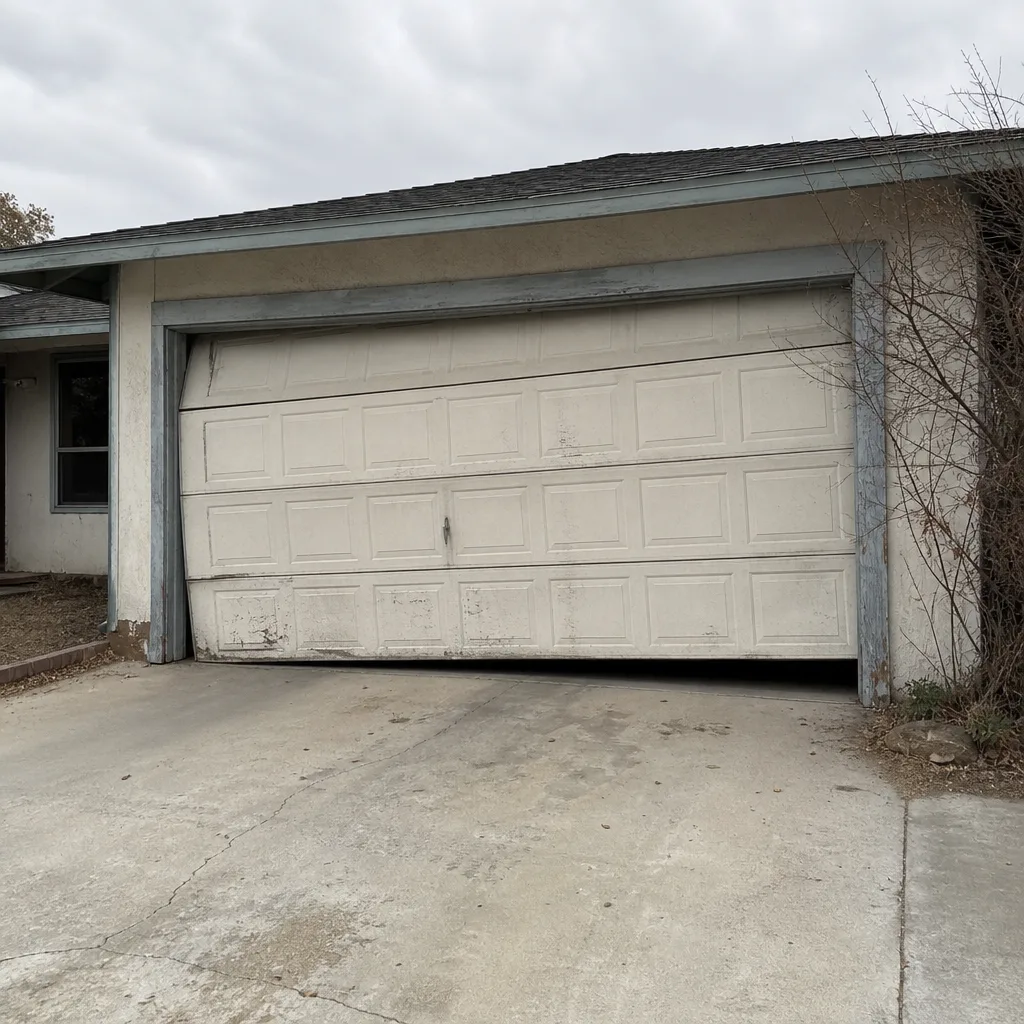 Before
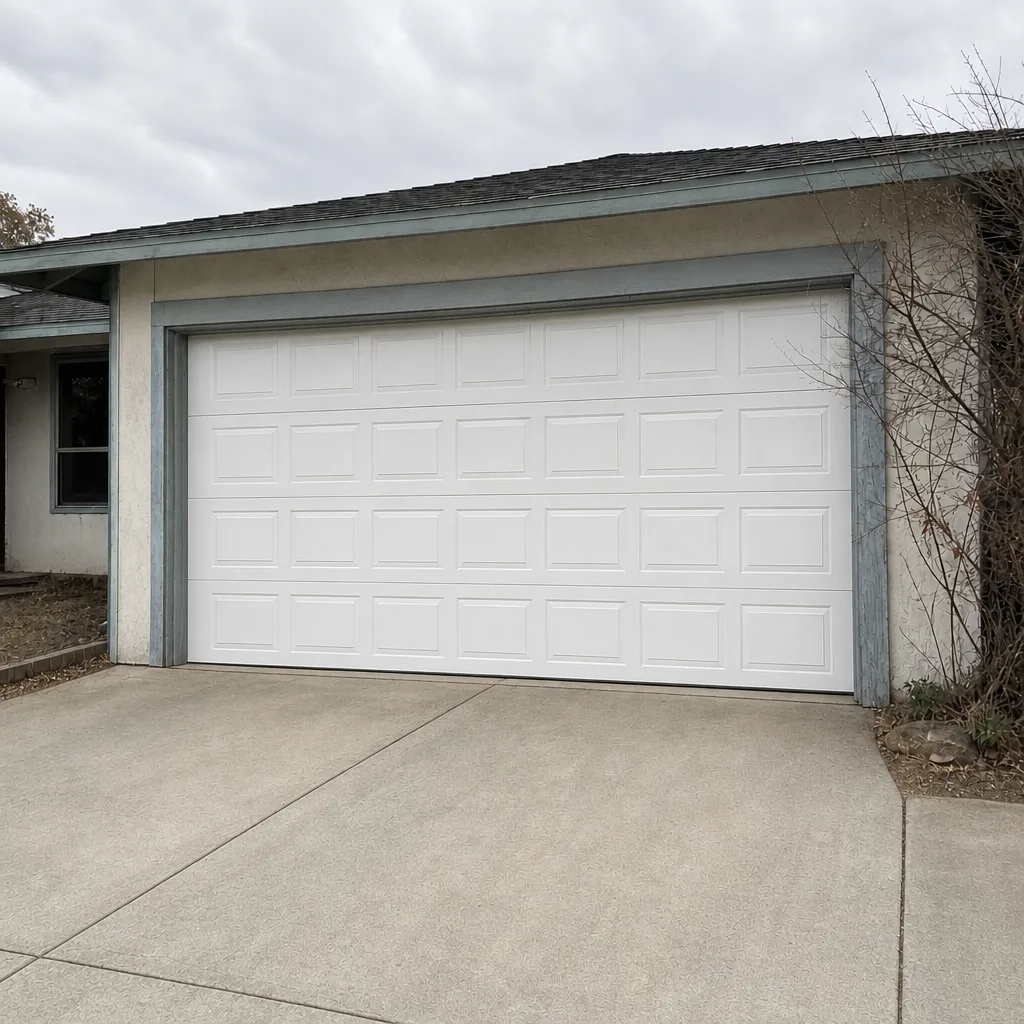 After
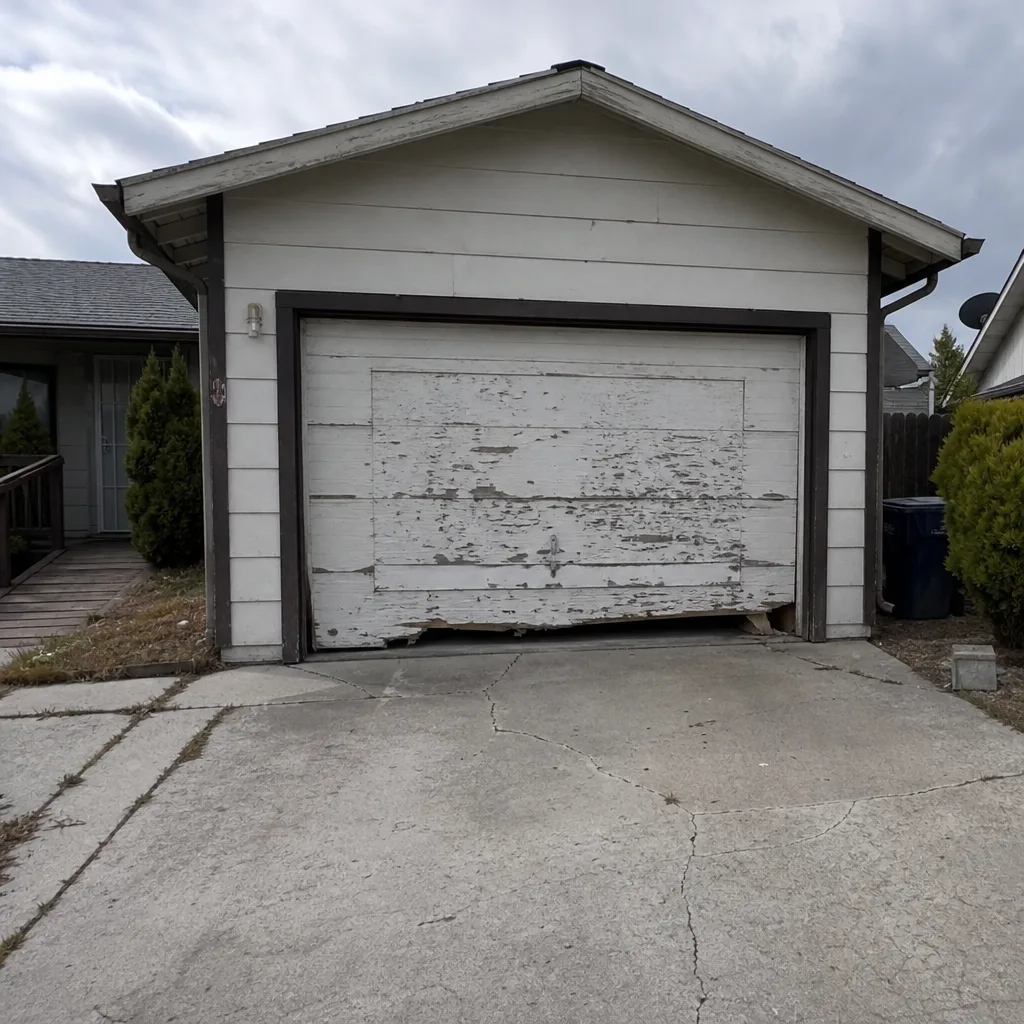 Before
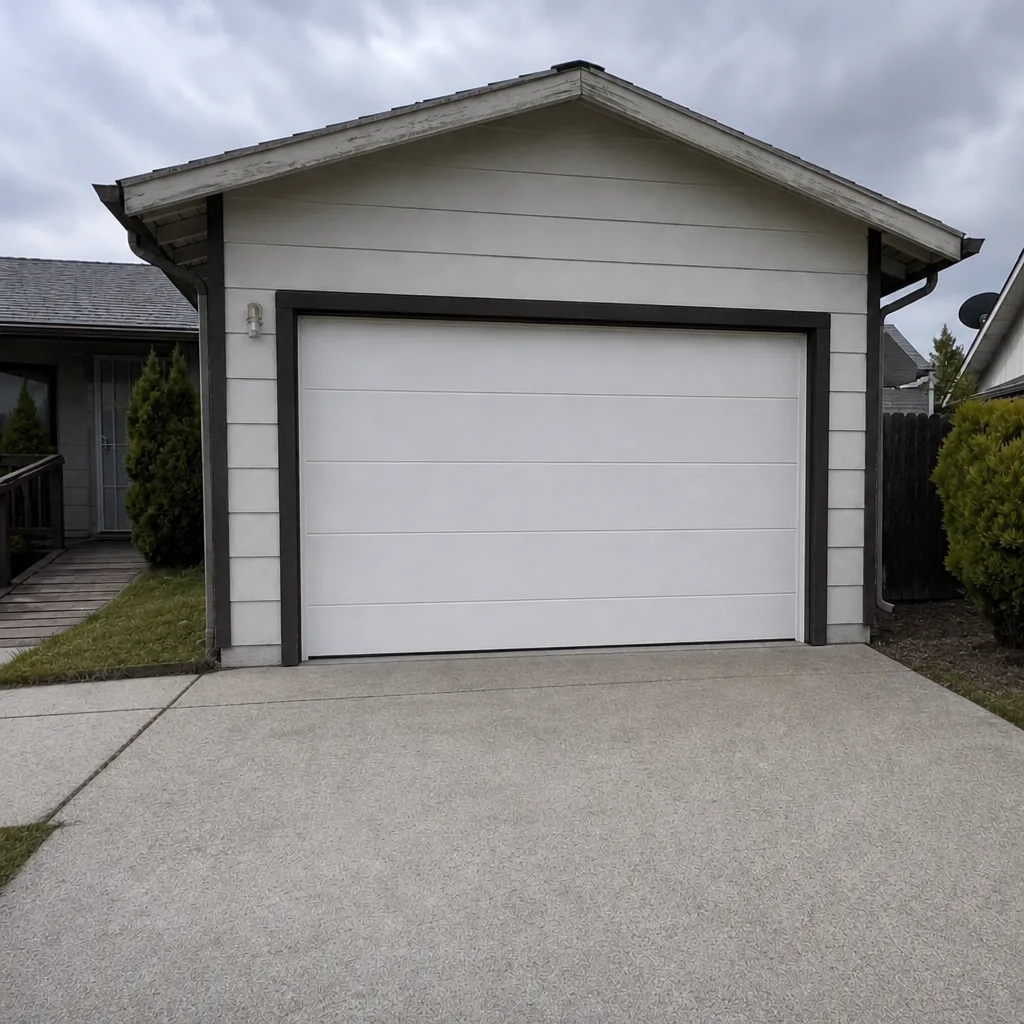 After
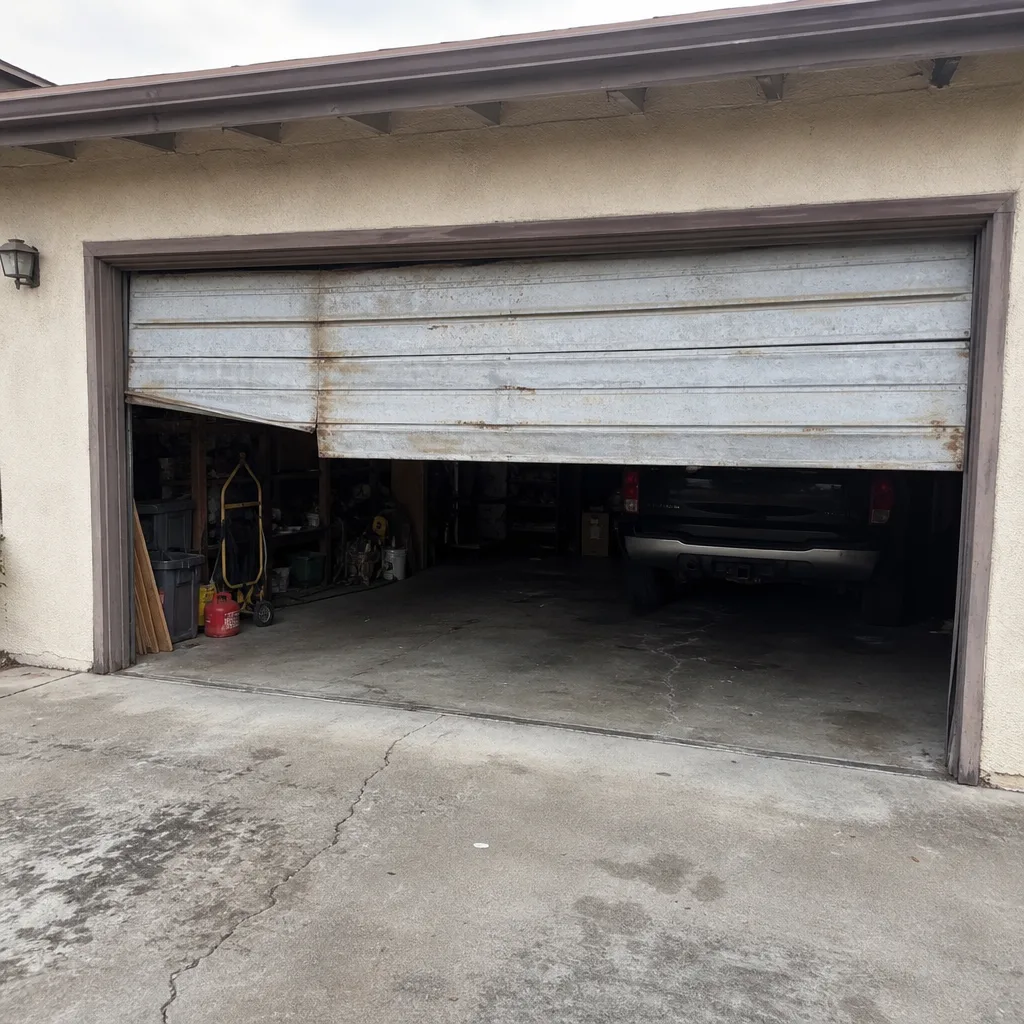 Before
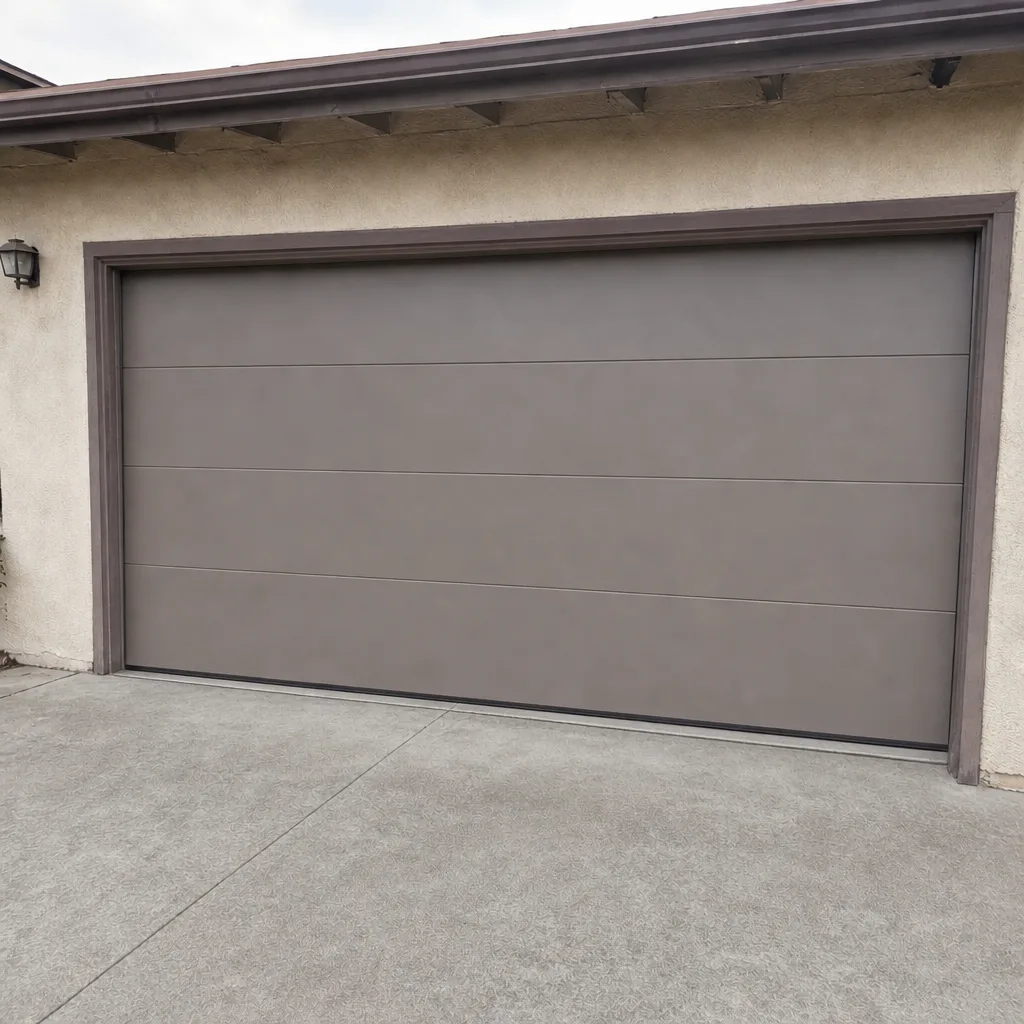 After
When to Call a Professional
Some garage door jobs are genuinely dangerous and require a trained technician. Torsion springs and cables are under extreme tension; adjusting or removing them without the right tools and training can cause serious injury. If you hear a loud bang from the garage and the door won’t lift, stop. Don’t try to open it manually and don’t try to remove the spring yourself. Call us instead.
Other moments to call: the door comes off its track, the opener runs but the door doesn’t move, the door reverses on its own mid-cycle, you see fraying on the cables, or the door is visibly out of level. Any of those suggests a mechanical problem that will get worse (and more expensive) if driven on.
Northwind Garage Door Repair offers free estimates in Enterprise – call (888) 915-1004. We answer 24/7. Fast dispatch from 7am to 7pm, Sunday through Friday.
Frequently Asked Questions
A single torsion spring replacement typically costs $180 to $340 in Enterprise in 2026, and a matched pair (which is usually what gets replaced together) runs about twice that. The main variables are the spring’s size, its cycle rating, and whether the door also needs cables or drums. Call (888) 915-1004 for an exact quote – estimates are free.
Often yes – we dispatch crews Sunday through Friday, 7am to 7pm, and same-day service is common for spring and cable failures in Enterprise. Call (888) 915-1004 to check availability. We answer 24/7.
No – the price is quoted and agreed before any work starts, and the written estimate sets the final number. If we find something additional during the visit, we tell you the new price and wait for your approval before doing anything else.
Most standard repairs – springs, cables, rollers, hinges, and common opener parts – are on the truck or sourced same-day for the brands we carry, including LiftMaster, Craftsman, Wayne Dalton, and Raynor. Panel replacements and full door installations are scheduled because they require ordering. Call (888) 915-1004 for an exact quote – estimates are free.
Many jurisdictions require a permit for a structural change like a new door installation, but requirements vary by city and by the scope of the work. Ask your city’s building department directly – they can tell you in one phone call, and we can help you understand what the permit requires before you order a door.
Some can, but many won’t, and that’s exactly the moment we get called. Northwind Garage Door Repair services eight major brands – LiftMaster, Chamberlain, Genie, Clopay, Amarr, Wayne Dalton, Craftsman, and Raynor – so there’s a good chance we can source the part and finish the job in one visit. Call (888) 915-1004 for an exact quote – estimates are free.
The Bottom Line
Garage door cost in Enterprise in 2026 is predictable for the homeowner who reads a quote correctly. The labor line is usually fair; the parts markup and the definition of “standard service call” are where bids diverge. Ask for cycle ratings in writing, confirm HOA requirements before you order a door, and compare total installed cost including disposal and labor warranty rather than the headline number. If a bid comes in far below the others, ask what’s missing – and if you like the answer, take it. If a company says “we don’t service that brand,” call us. Northwind Garage Door Repair handles repair, opener work, and installation as one crew, and we’re happy to quote a fair price in writing. For a free estimate in Enterprise, call (888) 915-1004. We answer 24/7. Fast dispatch from 7am to 7pm, Sunday through Friday.
Written by the team at Northwind Garage Door Repair, serving Enterprise since 2018.