
Last updated November 14, 2026
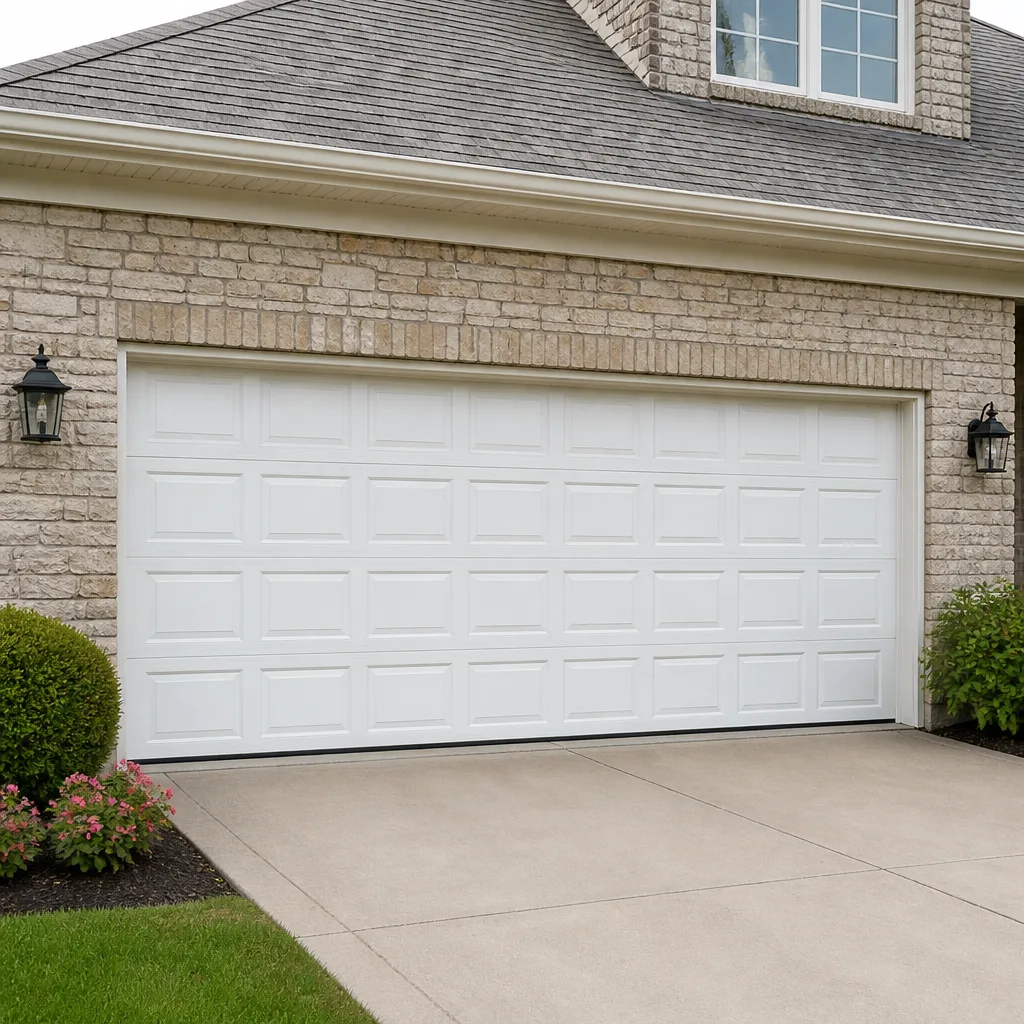 Raised-panel steel
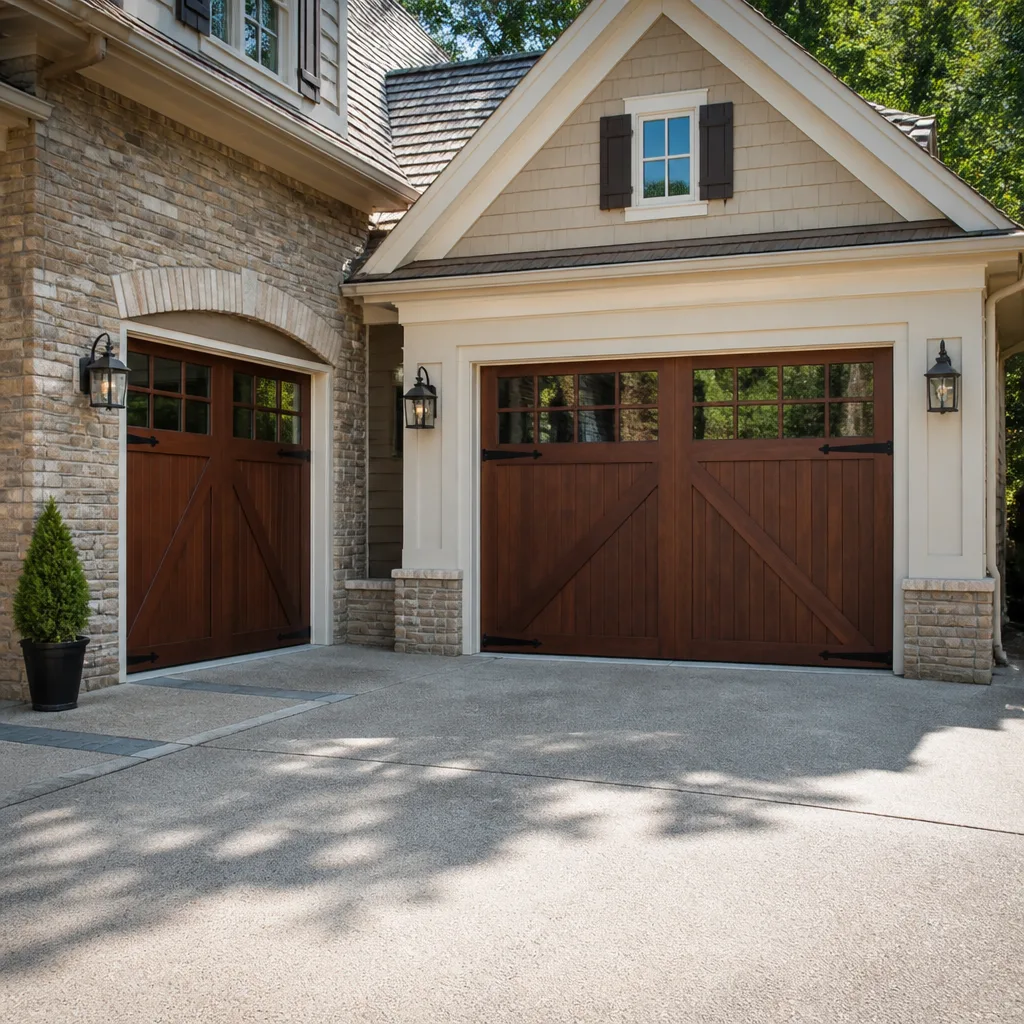 Carriage house
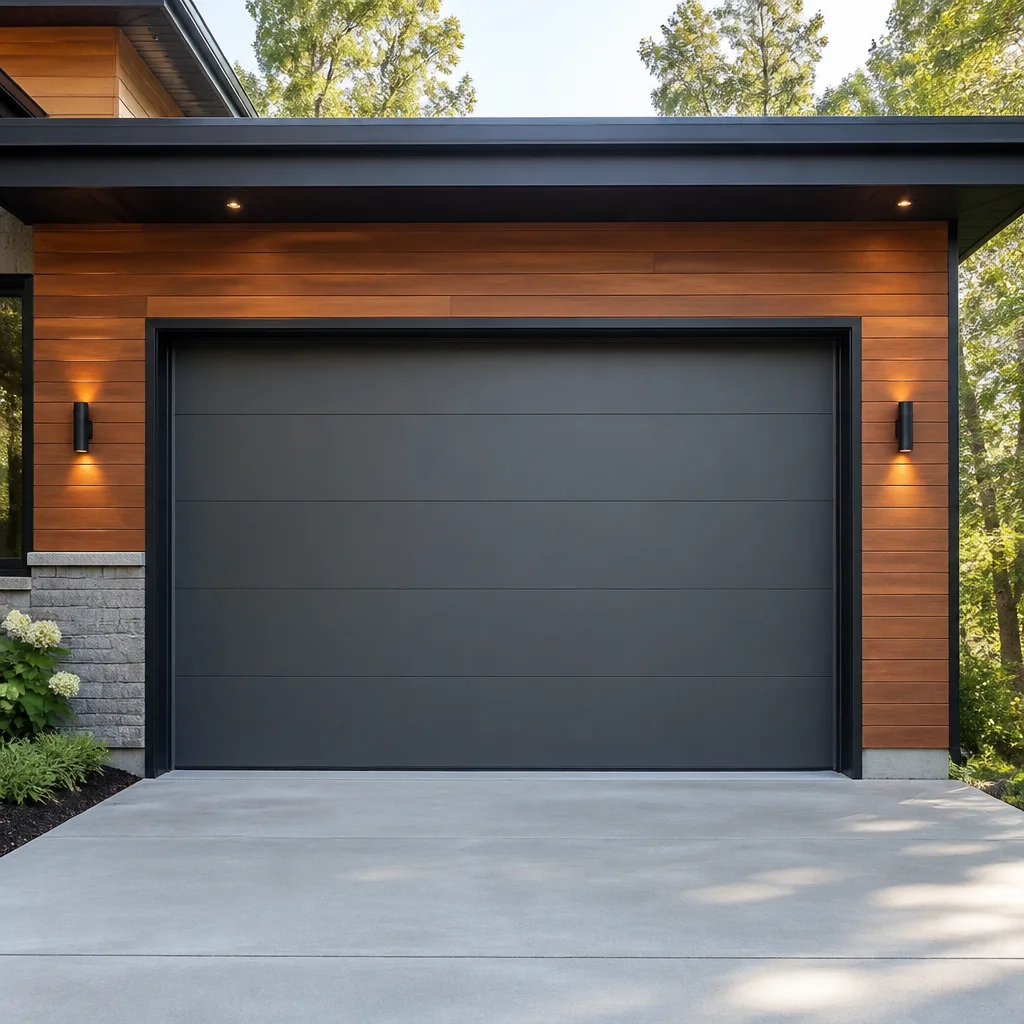 Modern flush
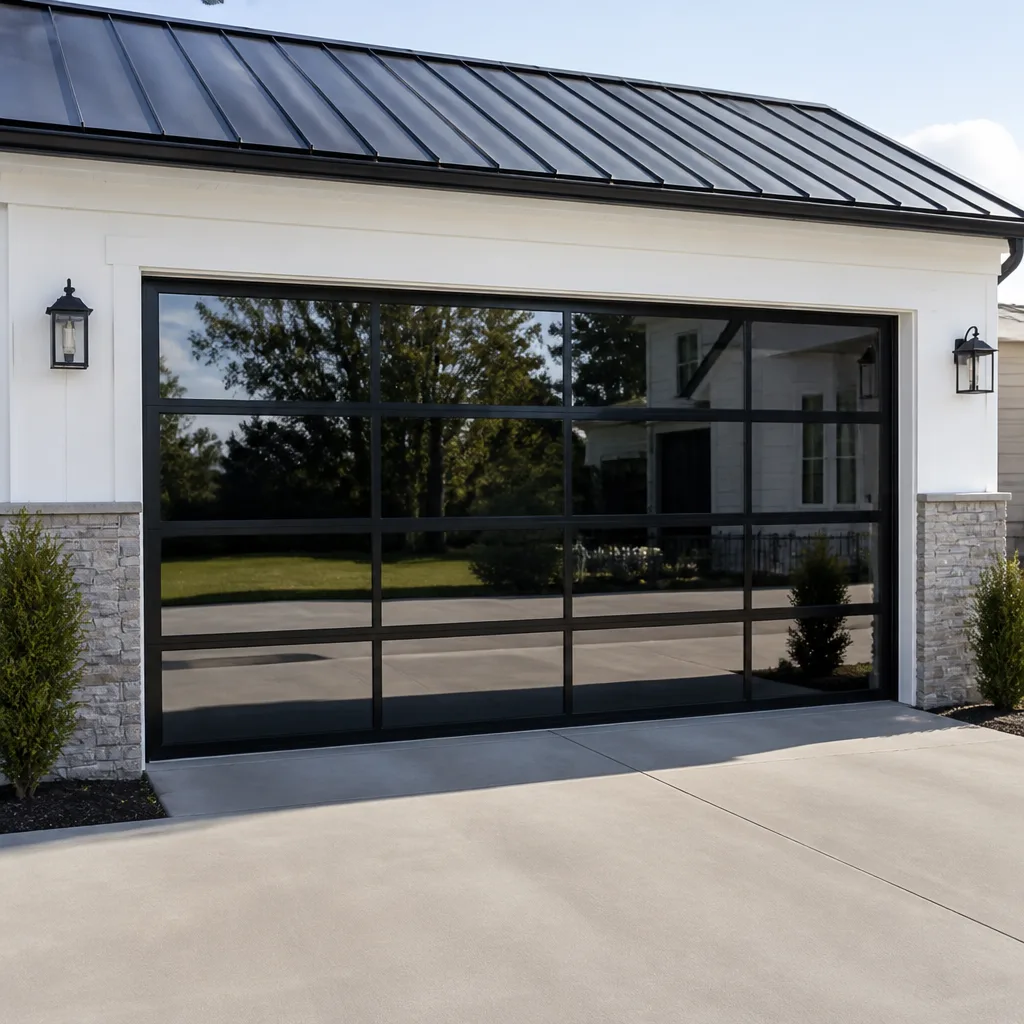 Full-view glass
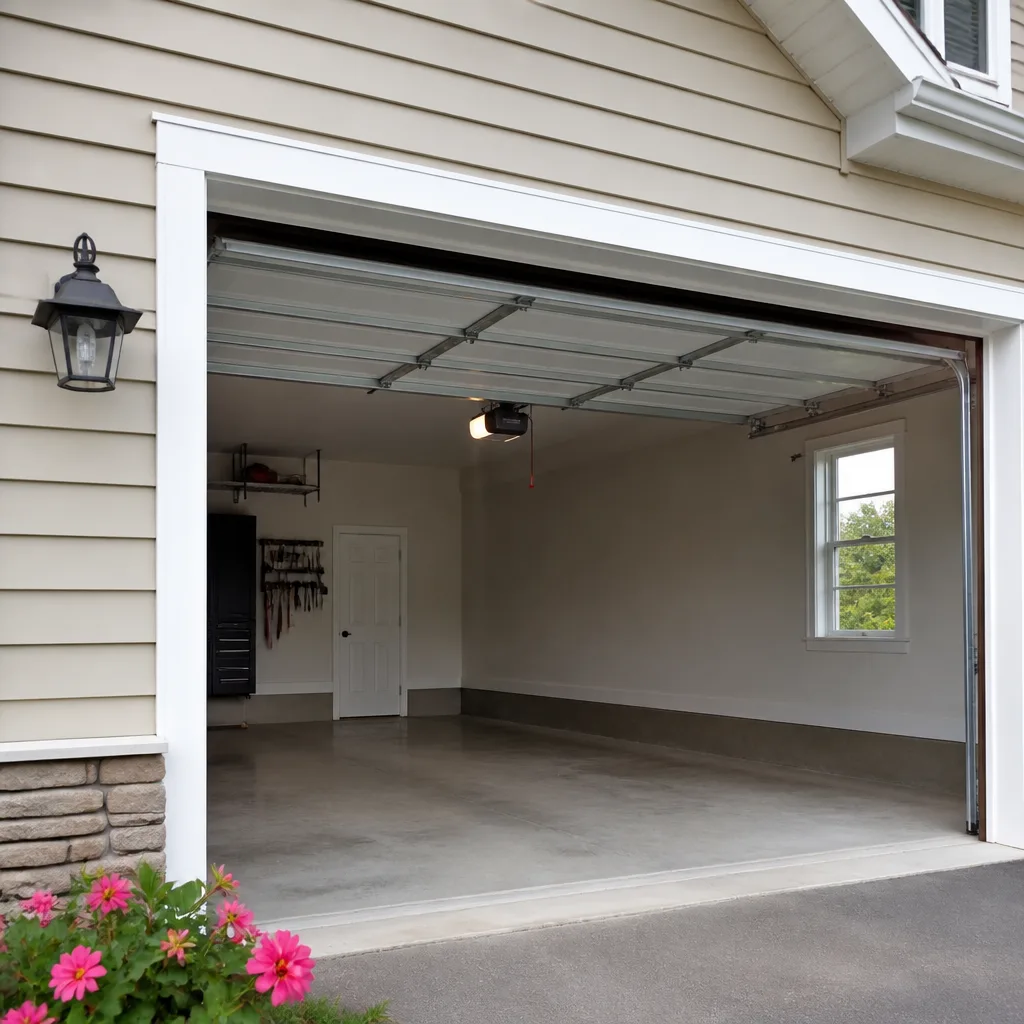 LiftMaster openers
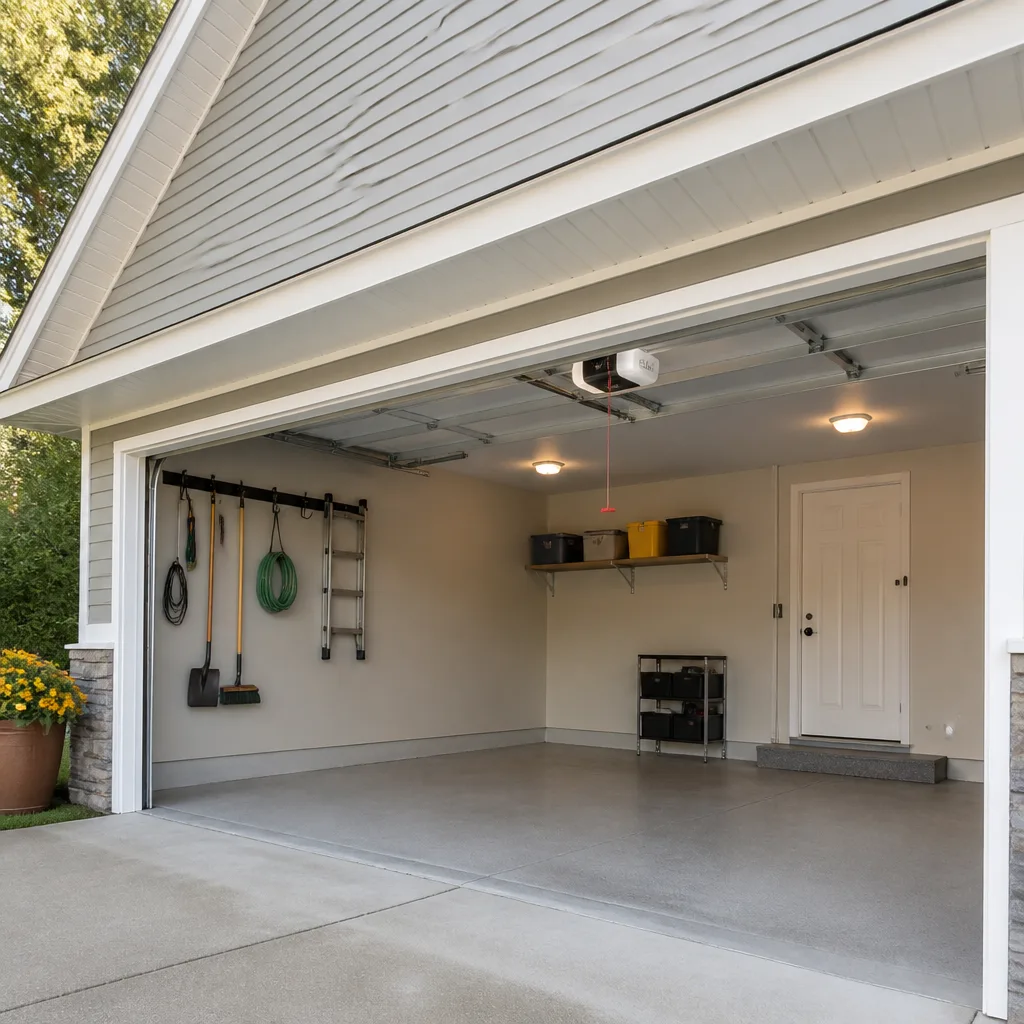 Chamberlain openers
Full 25-point door and opener safety check with every visit - springs, cables, rollers, tracks, and your LiftMaster or Chamberlain opener included
You get a price before we start. It does not change when the truck arrives.
Get your free estimateDIY vs Professional Garage Door: The Enterprise Homeowner’s Decision Guide
Most DIY advice treats garage door repair like any other weekend project, right up there with patching drywall or replacing a faucet. It isn’t. A torsion spring holds enough stored energy to do real damage the instant it lets go, and it releases that energy in a fraction of a second. That single fact is why this decision guide draws a harder line than you’ll find elsewhere. We’re not going to tell you every job needs a pro, because plenty don’t. What we will do is break garage door work down task by task, show you honestly where the risk starts, and explain how Enterprise’s summer heat changes the math. By the end you’ll know exactly what’s safe to handle and what isn’t.
Styles & brands we work with
- Raised-panel steel
- Carriage house
- Modern flush
- Full-view glass
- LiftMaster openers
- Chamberlain openers
Quick Answer
Confident homeowners can safely handle sensors, remotes, bottom seals, hinges, and basic lubrication on their own. Anything involving torsion springs, cables under tension, or the header brackets that anchor the whole system should go to a trained technician, because a mistake there can injure you or drop the door. In Enterprise, the afternoon heat also makes metal hardware harder to work on safely, so timing matters even for the simple jobs.
Table of Contents
- The Task-by-Task Breakdown: What’s Safe to DIY
- Why Torsion Springs Are Categorically Different
- How Enterprise Heat Changes Your DIY Timing
- When DIY Saves Money and When It Costs More
- Multi-Brand Complexity and Parts Sourcing
- Is It the Door or the Opener?
- Common Mistakes to Avoid
- When to Call a Professional
- Frequently Asked Questions
- The Bottom Line
The Task-by-Task Breakdown: What’s Safe to DIY
Here’s how we think about it. Every garage door task falls into one of three buckets: green (go ahead), yellow (possible with care and the right parts), and red (professional only, no exceptions). The green bucket is bigger than some repair companies would have you believe. The red bucket is smaller than you’d fear, but it is genuinely dangerous.
Green: Safe for a Confident DIYer
- Photo-eye sensors. Cleaning the lenses, realigning them, and checking that the door reverses when the beam is broken is straightforward and low-risk. It’s the most common no-start complaint we hear about, and often it’s just a misaligned bracket or a spider web across the lens.
- Remote and keypad programming. Pairing a new remote or changing a keypad code is a manual job, not a mechanical one. Every major brand, including LiftMaster and Chamberlain, publishes clear instructions.
- Bottom weather seal replacement. A worn bottom seal lets in dust, heat, and pests. Slide the old one out of its track and slide the new one in. No tension, no springs.
- Hinges and rollers (non-tension). Replacing a squeaky steel roller or a worn hinge is reasonable if the door is fully closed and the springs are relaxed. Metal rollers upgrade to nylon with basic hand tools.
- Lubrication. A few drops of garage door lubricant on the hinges, rollers, and tracks (not the springs) reduces noise and wear. This is the cheapest preventive habit there is.
Red: Professional Only
- Torsion springs. The spring that lifts the door holds the full weight of it. Never touch one, even when it looks intact.
- Extension springs. Same stored-energy problem, different geometry. These also need a safety cable and proper tensioning.
- Cables under tension. The cables carry the spring’s force to the door. A loose or snapped cable can whip with serious force.
- Header brackets and center bearing plates. These anchor the springs and the torsion tube to the wall above the door. If one pulls loose, the whole system can drop.
- Track realignment after impact. A bent track usually means the door came off its path, and forcing it back can crack panels or break hinges.
Yellow: Depends on You
Panel replacement, opener logic-board swaps, and limit-switch adjustments sit in the middle. A homeowner who’s comfortable with wiring and has the right tools can sometimes manage them. The honest test is this: if you have to ask whether you can do it, the answer is probably no for that job. A door is a system of balanced forces, and every part you change affects the rest.
Why Torsion Springs Are Categorically Different
A torsion spring stores energy the same way a stretched rubber band does, only scaled up to hold the weight of a two-car garage door. That stored energy is released instantly if the spring slips, snaps, or is unwound without the right winding bars. Comparing spring work to repairing a door seal is like comparing wiring a breaker panel to changing a lightbulb. Both are electrical, but only one can put you in the hospital.
In our experience, the failure mode homeowners misjudge most is the “relaxed” spring. A spring that has already snapped is not the danger; the one that’s still holding tension and looks fine is. That’s the one that cuts and lifts. A technician uses two winding bars, a proper winding chart, and a controlled release. A homeowner with a pair of screwdrivers and an internet tutorial is working blind against that stored energy.
It isn’t just the spring itself. The cable and the drums release tension alongside it. If you loosen one side without balancing the other, the door can rack and come off its tracks while you’re standing underneath. That’s the asymmetry a trained eye watches for. This is also why Northwind Garage Door Repair treats spring work as a specific, separate task rather than bundling it in with general garage door repair. We want to know exactly which component failed before we quote anything.
The safety advice is simple: if a spring is visibly broken, if the door is heavy to lift, or if you hear a loud snap from the garage, don’t test it. Call a professional. Please don’t stand under a hanging door to see if it holds.
How Enterprise Heat Changes Your DIY Timing
Enterprise sits in the high desert, where a July afternoon can push well past 100 degrees, and a metal garage door in direct sun gets hot enough to burn a bare hand. That matters for a few reasons. First, the hardware itself expands. A track that fits perfectly at 7am may bind slightly at 3pm, which makes a simple adjustment fussy and frustrating. Second, the adhesive on weather seal and the grease in the rollers behave differently in extreme heat. And third, you’re working in an unventilated space in the worst part of the day. Heat exhaustion is a real risk, and it’s entirely avoidable.
The practical rules we give homeowners:
- Work early. Early mornings are the only sensible window for any garage door task in summer. The metal is cooler, the garage is cooler, and you’re less likely to rush a job because you’re melting.
- Open the garage door to the outside while you work, so air moves through. If you’re working on the opener or sensors, use the manual release first.
- Never leave a metal tool on a sunny driveway. It’s a small thing, but it’s a real hazard in Enterprise.
- Hydrate before you start. Sounds like nagging, but every summer we hear from homeowners who got lightheaded mid-project.
The heat also affects the door over time. Metal panels expand and contract daily, and seals dry out faster here than in milder climates. That’s why seasonal checks are worth doing, and why a lot of the rebalancing work we handle in Enterprise is really heat-fatigue work.
When DIY Saves Money and When It Costs More
The economics of DIY are real, but they’re more lopsided than they look. A bottom seal and a tube of lubricant might cost less than the gas to drive to the hardware store. A sensor realignment is free. Those are genuine savings. Where DIY breaks down is when the first attempt doesn’t fix the actual problem and you’ve now paid for parts you didn’t need plus a pro to sort it out.
Here’s a way to think about the trade-off:
- DIY is a clear win when the task is cosmetic, low-tension, or a matter of programming. Seals, remotes, lubrication, and sensor cleaning all fit here. You save a service visit and learn your door.
- DIY is a coin flip when the task involves diagnosis. Opener limit switches and force settings are adjustable, but if you set them wrong the door can reverse on a person or fail to open fully. Adjusting by trial and error risks the motor.
- DIY loses outright when parts fail under load. A bent panel you tried to straighten, a stripped hinge bolt, a door that came off its track: each of those escalates the job, and the repair bill grows from what the original quote would have been. The line-item revisit costs more than the diagnosis would have.
This is where an upfront quote earns its keep. Northwind Garage Door Repair provides free estimates in Enterprise, and the quote you get is the price you agree to before any work starts. You don’t find out the cost after the fact. For a lot of homeowners, that certainty is worth more than the gamble on a DIY fix that might not hold.
Multi-Brand Complexity and Parts Sourcing
Brand matters less than people assume, and more than they expect in a few specific spots. A torsion spring is largely a specification: wire size, inside diameter, and length. Any competent technician can match it. Where brand starts to bite is in the proprietary parts: opener logic boards, wall consoles, safety-beam brackets, and the specific drive couplers on older systems. These aren’t universal.
This is the quiet reason multi-brand know-how changes the DIY equation. If you own a Raynor door and the opener is a legacy Craftsman, the parts aren’t interchangeable, and the big-box store carries neither the right spring gauge nor the right board. Without a dealer account or a parts relationship, you’re ordering blind from a listing that may or may not match. That’s a common enough scenario in Enterprise’s newer neighborhoods, where a mix of brands went in during the build.
Our answer to it is simple: we service eight of the most widely installed garage door and opener brands in North America, including LiftMaster, Chamberlain, Clopay, Amarr, Wayne Dalton, and Raynor. That means same-brand part sourcing without a special-order delay for most jobs. When a homeowner has already bought the wrong part for their brand, we can often identify what they actually needed in one visit, which saves the second trip.
What we don’t do is push a brand. Technicians trained across competing manufacturers tend to recommend based on what the door actually needs. If your door is fine and only the opener is tired, you’ll hear that. If the panel is shot and the opener is healthy, you’ll hear that too. The recommendation follows the evidence.
Is It the Door or the Opener?
One of the most useful things a homeowner can learn is how to tell whether the door or the opener is failing. It changes the whole decision. If the opener runs but the door doesn’t move, the problem is usually the door side: a broken spring, a bound track, or a snapped cable. If the door moves freely by hand but the opener won’t drive it, the motor, capacitor, or board is the suspect. That single test tells you where to look.
- Pull the manual release to disconnect the opener from the door. Move the door by hand.
- If it lifts easily and stays where you leave it, the door balance is healthy, and the trouble is on the opener side. You’re looking at garage door opener repair, not door work.
- If it’s heavy, sticks, or falls on its own, stop. That’s a door and spring problem, and it needs a technician. Don’t force it.
That test is the reason we handle both sides of the system in-house. When it isn’t clear which half is failing, a single visit can diagnose and fix it rather than sending you between two contractors. The two most common door-side failures we see are snapped springs and worn rollers; the most common opener-side failures are stripped drive gears and dead logic boards in older Craftsman and Genie units. Knowing which one you’re facing means the call you make is the right one.
Common Mistakes to Avoid
- Working on the door with the opener still engaged. If the opener is connected, the door can cycle while you’re under it. Always pull the manual release first. This is the single most avoidable mistake in the whole trade.
- Spraying lubricant on the springs or the tracks’ friction surfaces. Springs attract grit when greased, and coating the tracks can make rollers slip. Lubricate the hinges and rollers, not the spring wire.
- Trying to close a bent door to “see if it straightens.” Forcing a misaligned door in Enterprise’s heat can crack a panel or snap a hinge. Stop and get it looked at.
- Buying a spring off the shelf by door width alone. Springs are spec’d by wire gauge and coil count, not door size. The wrong spring can overload the opener or drop the door.
- Ignoring a slow or jerky door in summer. Heat and expansion make small imbalances worse. A door that hesitates in July is telling you something.
- Replacing an opener when the door is the problem. A new motor on an unbalanced door burns out fast. Diagnose the door first.
- Leaving the safety sensors dirty or blocked. A box, a bike, or a spider web in the beam stops the door before it starts. Check the eyes before you call anyone.
When to Call a Professional
Call a professional the moment a task touches stored energy: a snapped or relaxed spring, a slack or snapped cable, a header bracket that’s pulled loose, or a door that’s come off its tracks. Call when the opener runs but the door won’t move, when the door reverses randomly, or when it’s too heavy to lift by hand. Call after any impact, even a minor one, because panels can crack and tracks can bend out of sight. And call when the brand is uncommon and the part isn’t on a shelf near you, because sourcing the right spec matters more than saving the visit. Northwind Garage Door Repair offers free estimates in Enterprise. Call (888) 915-1004. We answer 24/7. Fast dispatch from 7am to 7pm, Sunday through Friday.
Frequently Asked Questions
No. Torsion spring replacement requires winding bars and controlled release of stored energy that can injure you if it slips. This is the one task where we draw a firm line for every homeowner, regardless of experience. Call an insured technician, and don’t test a spring that looks intact.
Sensors, remotes, keypads, bottom seals, non-tension hinges and rollers, and lubrication are all reasonable DIY jobs. Work early in the morning during summer, because the metal gets hot enough to burn and the garage becomes unsafe to work in by afternoon. If a task involves the springs, cables, or header brackets, stop and call.
Spring pricing is per spring and depends on the wire spec and door size, so the exact figure comes from a written estimate; the estimate is free. A matched pair is usually replaced together, which changes the total. Call (888) 915-1004 for an exact quote, and the price you agree to is the price you pay before work starts.
No. Every job is quoted and agreed before any work begins, so the written estimate sets the price. If we find something else on the door, we tell you what it is and what it would cost before touching it. You decide from there.
Often, yes. We stock parts for the brands we service, including LiftMaster, Chamberlain, and Raynor, which cuts special-order delays on common repairs. Uncommon or discontinued parts may need to be sourced, and we’ll tell you upfront which category your job falls into.
Same-day repair is often possible. Call (888) 915-1004. We answer 24/7. Fast dispatch from 7am to 7pm, Sunday through Friday. A call outside dispatch hours is booked into the next opening, Sunday through Friday, 7am to 7pm. Installation and replacement are scheduled rather than same-day, since the door has to be measured and ordered first.
The Bottom Line
The DIY vs. professional question for garage doors isn’t about how handy you are. It’s about which tasks have consequences if they go wrong. Sensors, seals, remotes, and lubrication are yours to handle, and we’re glad when homeowners do them well. Springs, cables, and header brackets belong to trained hands, full stop. In Enterprise, the heat adds a second layer: work early, work cool, and never test a door that’s heavier than it should be. Northwind Garage Door Repair handles repair, opener work, and installation for eight major brands, all in-house, so there’s one call and one crew. Call (888) 915-1004 for a free estimate on Enterprise work, and we’ll tell you honestly what your door needs.
Written by the team at Northwind Garage Door Repair, serving Enterprise since 2018.
See the difference
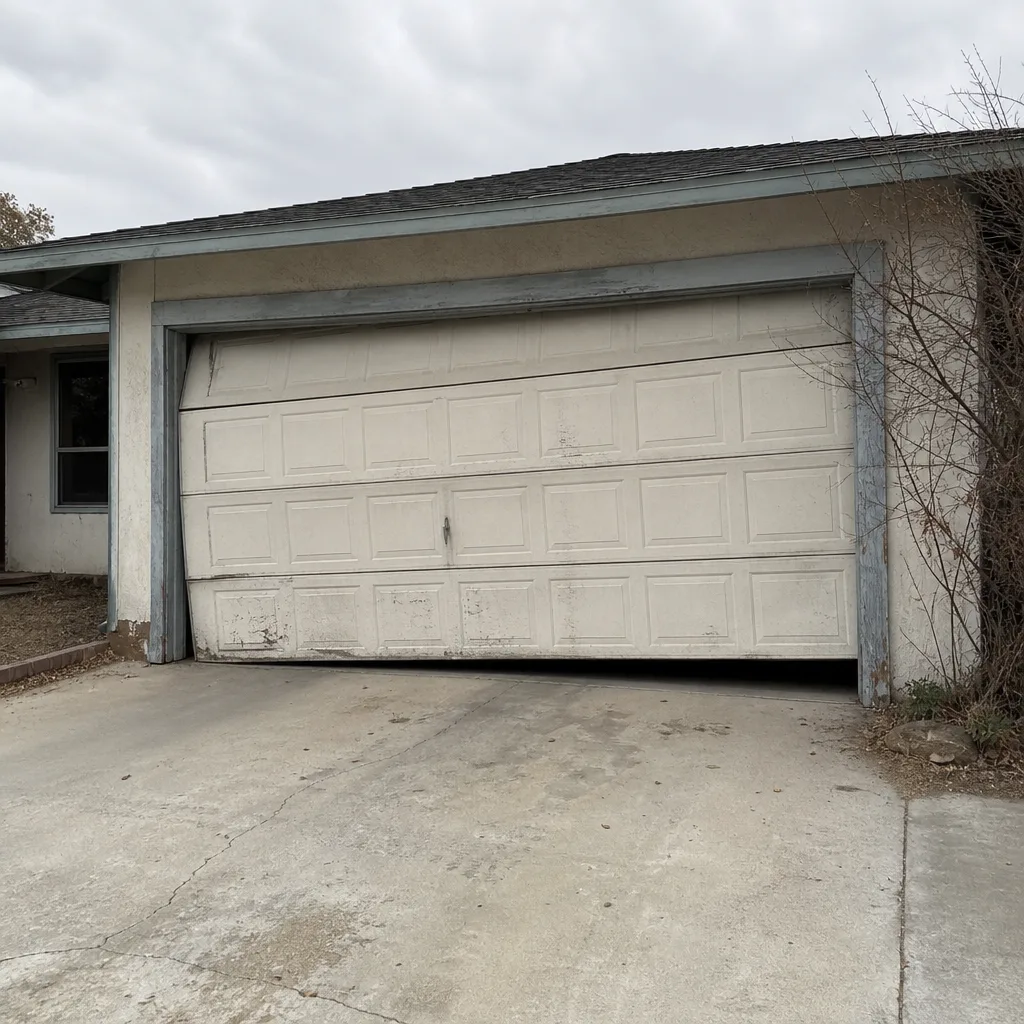 Before
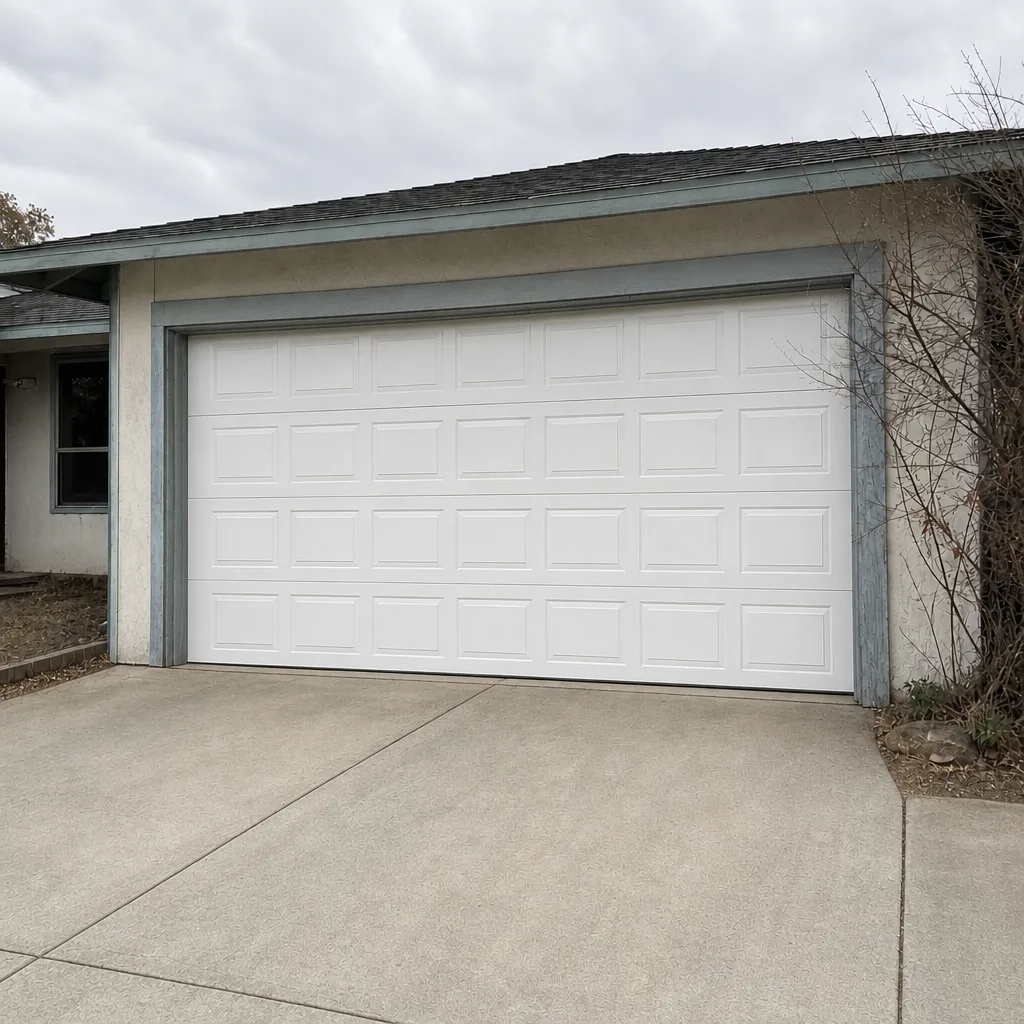 After
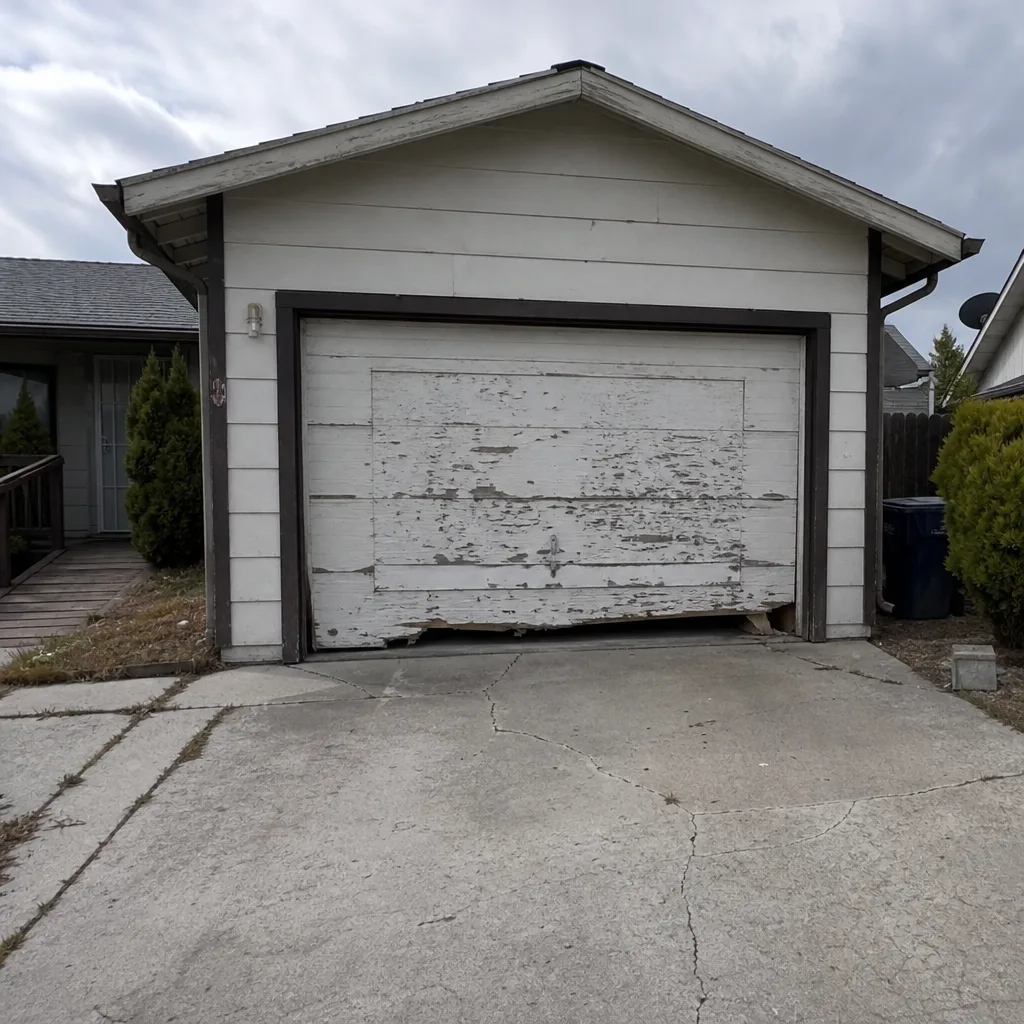 Before
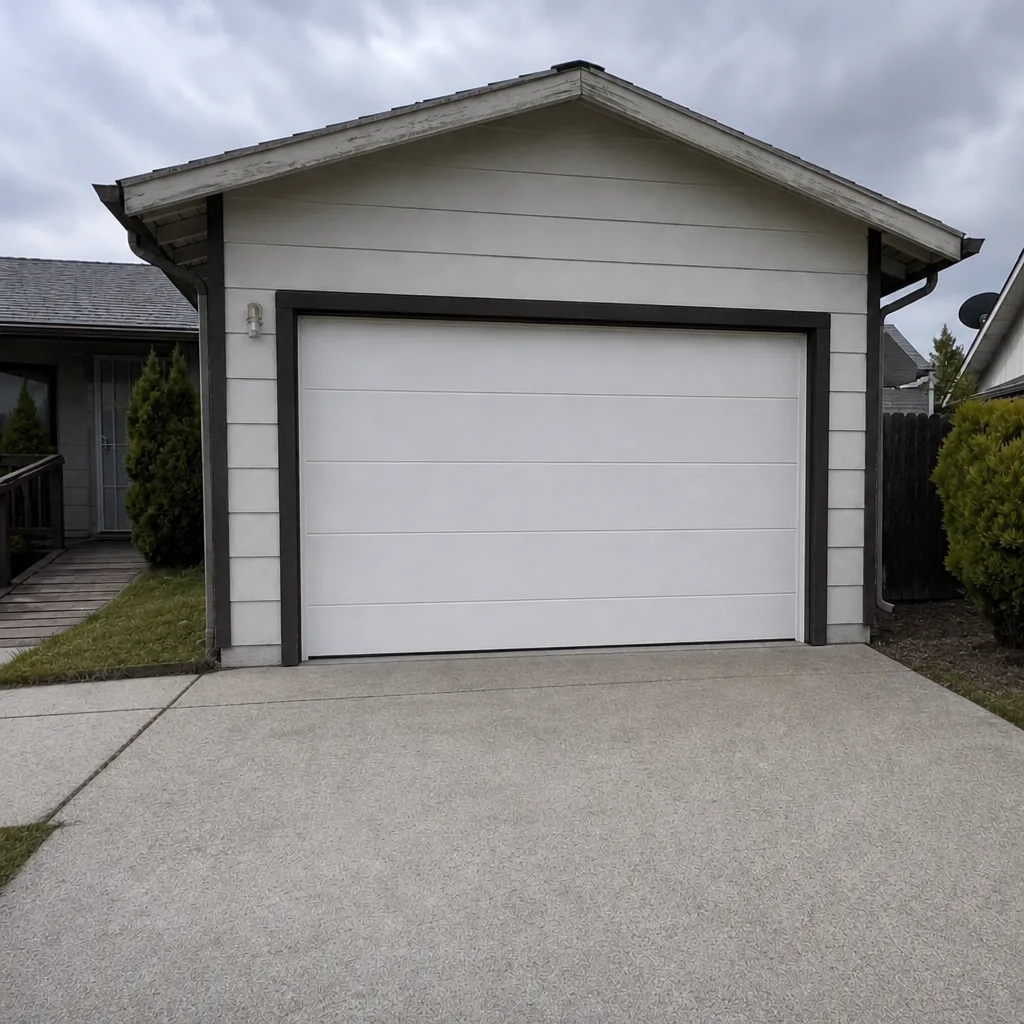 After
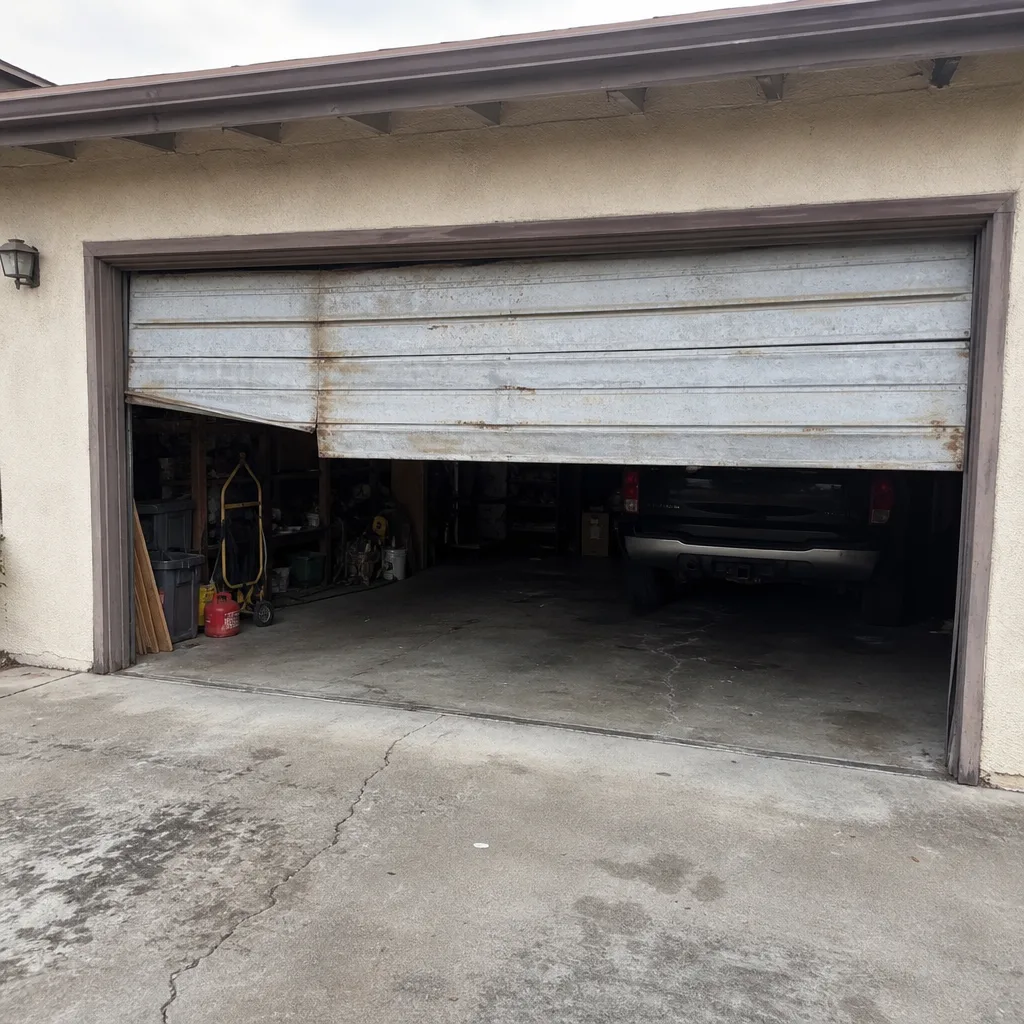 Before
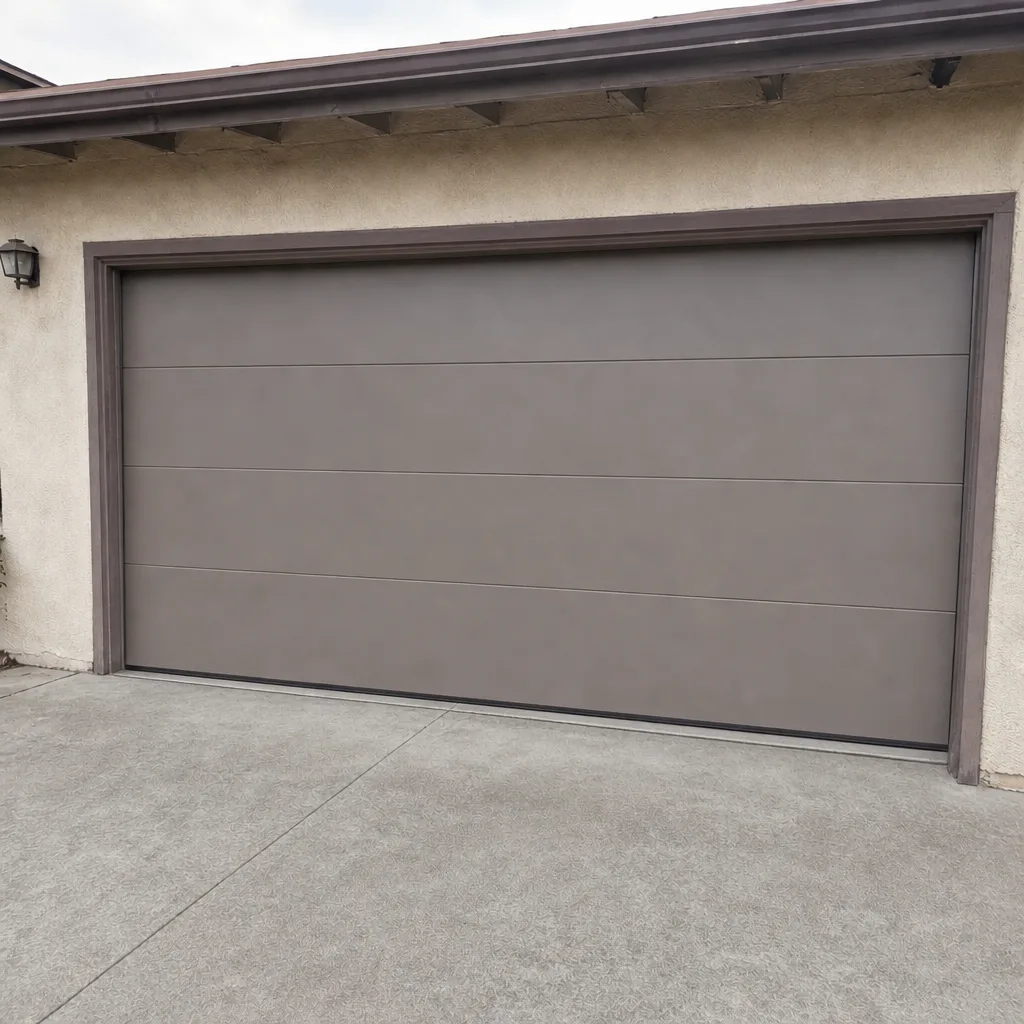 After