
Last updated November 14, 2026
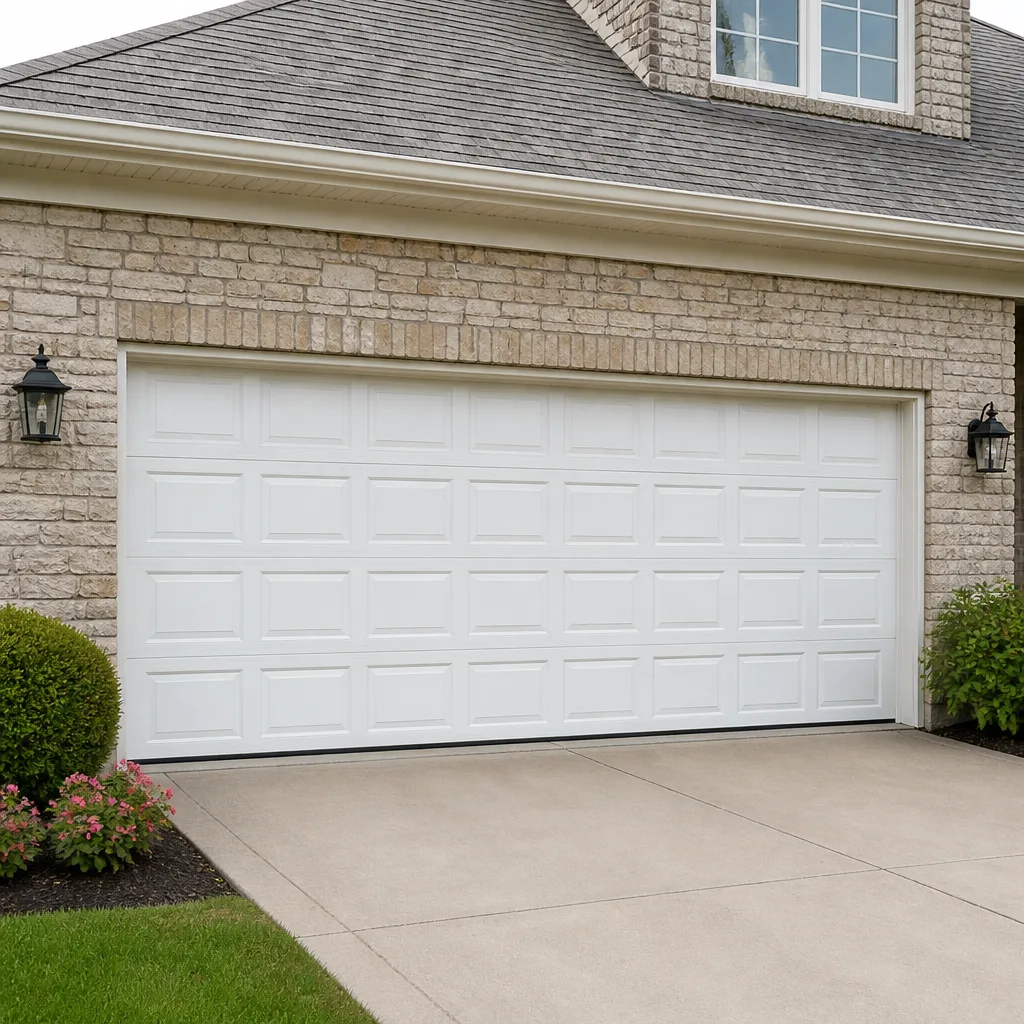 Raised-panel steel
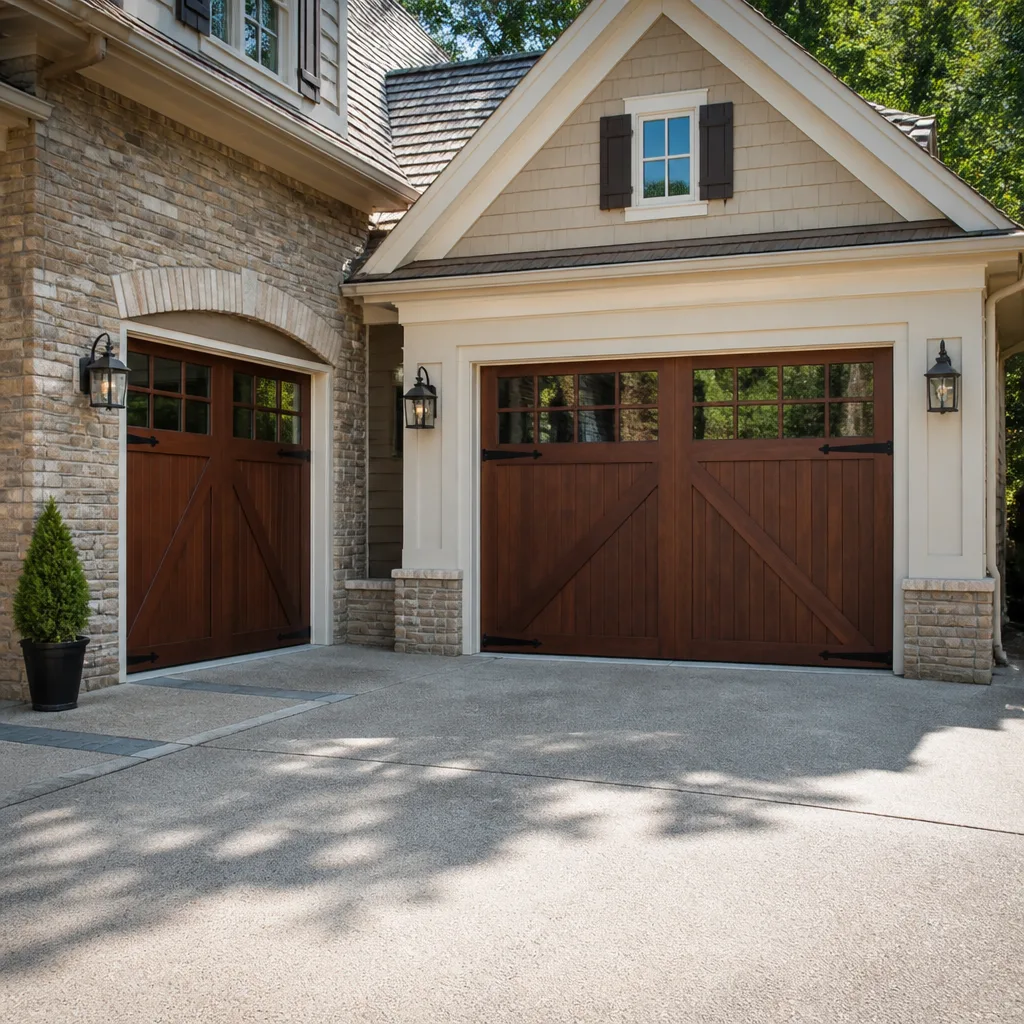 Carriage house
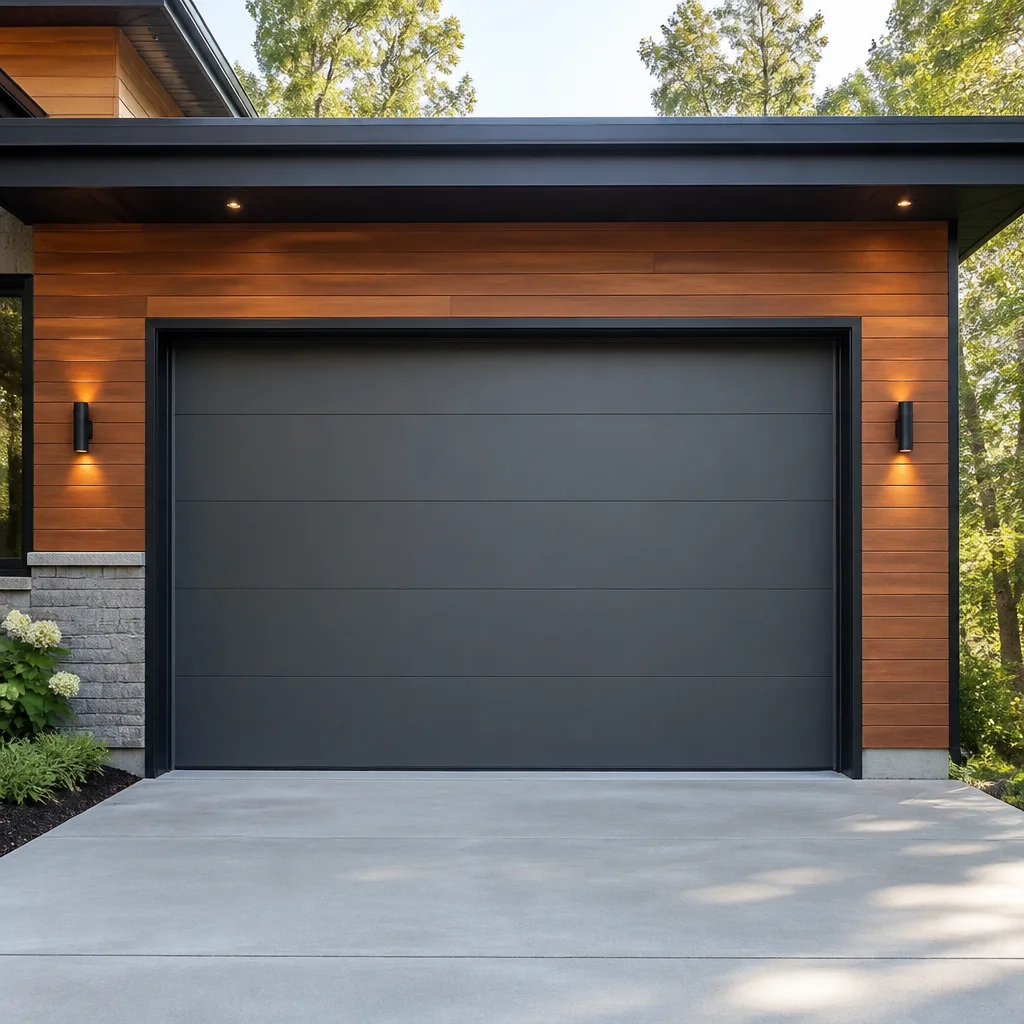 Modern flush
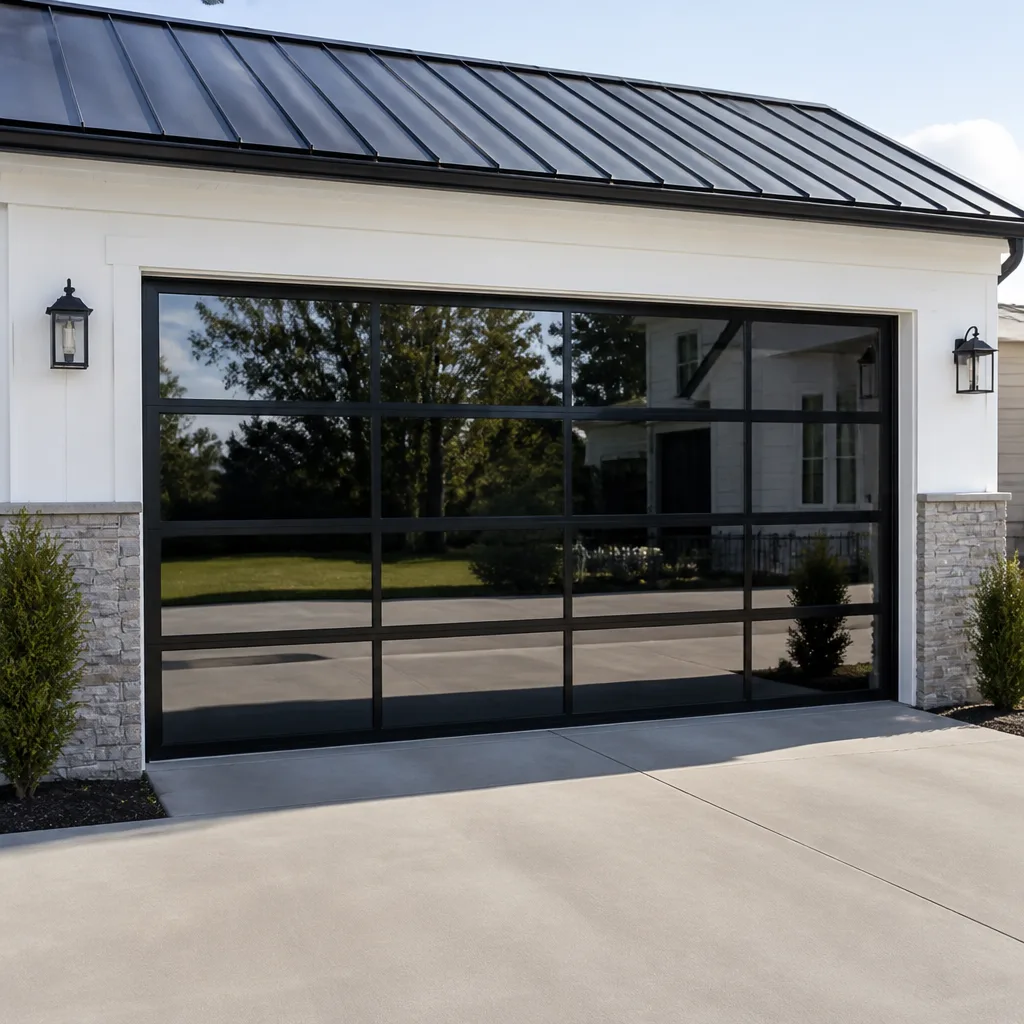 Full-view glass
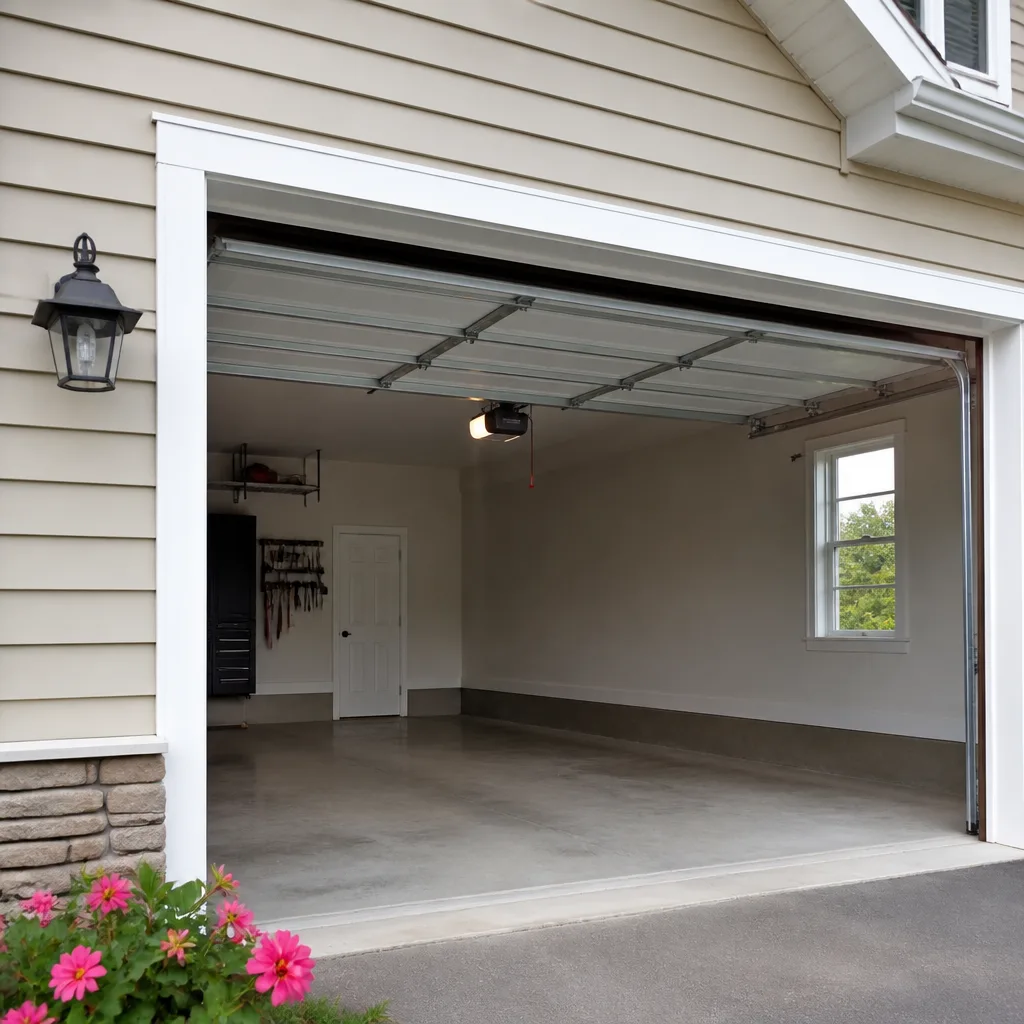 LiftMaster openers
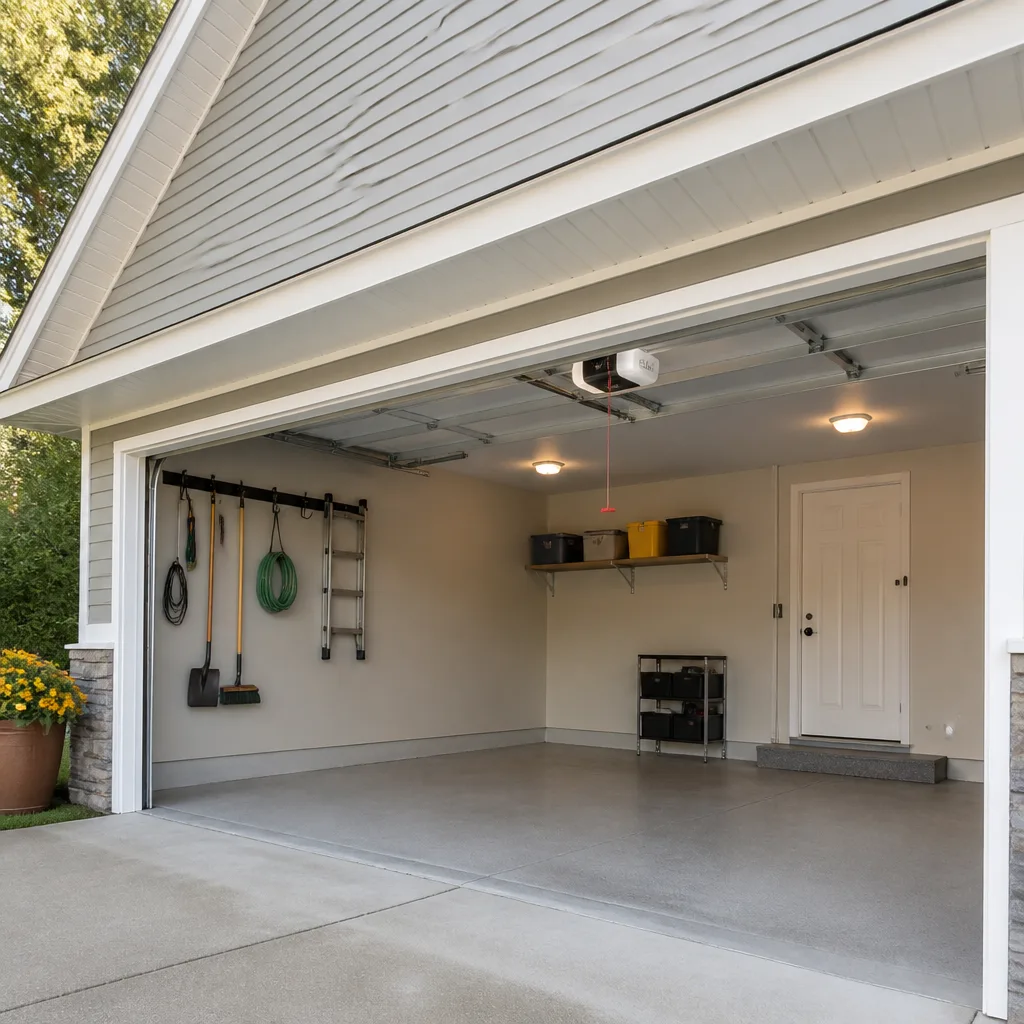 Chamberlain openers
Full 25-point door and opener safety check with every visit - springs, cables, rollers, tracks, and your LiftMaster or Chamberlain opener included
You get a price before we start. It does not change when the truck arrives.
Get your free estimateChoosing the Right Garage Door Brand: A Buyer’s Guide for Enterprise
The brand your installer recommends most enthusiastically is often the brand they make the best margin on. That’s not a knock on installers, it’s how the trade works. What it means for you is that the recommendation you hear first is rarely the whole story. A garage door is a 15-to-30-year decision, and in Enterprise the criteria that actually matter are narrower and more specific than most sales conversations admit: how a door’s insulation holds up when the afternoon high sits above 110°F, whether a replacement panel or spring is stocked somewhere in the Las Vegas metro or has to ship from three states away, and whether any tech besides the one who sold it can service it in year seven. This guide walks through the eight leading manufacturers on exactly those terms.
Quick Answer
The right garage door brand for an Enterprise home is the one with a panel and hardware supply chain you can actually reach, a finish that survives intense desert UV without chalking, insulation that performs at real desert temperatures rather than on a spec sheet, and a service network with more than one company able to repair it. In practice that usually points to brands like Amarr, Clopay, or Wayne Dalton for the door side, paired with LiftMaster or Chamberlain for the opener. Brand matters less than parts availability and local service depth.
Styles & brands we work with
- Raised-panel steel
- Carriage house
- Modern flush
- Full-view glass
- LiftMaster openers
- Chamberlain openers
Table of Contents
- Why Brand Choice Matters More in Enterprise Than Anywhere Else
- Insulation Performance at 110°F and Above
- Parts Availability: What’s Stocked Locally vs. What Ships
- Steel Gauge and Finish Durability Under Desert UV
- Opener Ecosystem Compatibility
- The Service Network Question
- A Step-by-Step Brand Selection Process
- Common Mistakes to Avoid
- When to Call a Professional
- Frequently Asked Questions
Why Brand Choice Matters More in Enterprise Than Anywhere Else
Most garage door advice is written for a climate with four mild seasons and a dense contractor market on every corner. Enterprise isn’t that. The summer heat is punishing, the sun is relentless, and the housing stock runs heavily toward stucco and tile in planned communities where every door faces the same exposure. A door that performs fine on a shaded East Coast driveway can look tired in three summers here.
There’s a second factor that gets almost no attention: the density of the local service market. When there are plenty of qualified technicians nearby, brand is a minor variable because almost anyone can fix almost anything. When the service market is thinner, brand becomes a supply chain question. If the one company that sold you the door is the only one who stocks the parts, you’re locked in.
That’s the lens we use at Northwind Garage Door Repair. We work on products from eight manufacturers: LiftMaster, Chamberlain, Genie, Clopay, Amarr, Wayne Dalton, Craftsman, and Raynor. That breadth is deliberate, because it means our technicians see what actually fails and what holds up, across competing brands, over years. The recommendation we make in an Enterprise home is based on what the door needs and what the homeowner can realistically keep serviced, not on which line we’d rather sell.
Here’s what this guide covers, in order of how much it matters:
- Thermal performance at real desert temperatures, not lab ratings
- Whether replacement parts are stocked in the Las Vegas metro
- How a finish holds up to years of intense UV
- Whether the opener ecosystem already in your home plays nicely
- How many companies can actually service the brand
Insulation Performance at 110°F and Above
R-value is the number every manufacturer prints on the spec sheet, and it’s the number you should treat with the most caution in Enterprise. R-value is measured under steady-state lab conditions. A garage door in direct desert sun is not a steady-state environment. The exterior skin of a dark-painted steel door can get far hotter than the air temperature, and heat moves through the assembly differently at those extremes than it does in a moderate test chamber.
What that means practically: two doors rated at the same R-value can perform noticeably differently in a Las Vegas valley summer, because the details that matter at 110°F aren’t captured in a single number.
- Insulation type. Polyurethane foam cores generally outperform polystyrene bead board at equal thickness, and they resist heat degradation better over time.
- Thermal breaks. Doors with a break between the exterior and interior steel skins cut conductive heat transfer. Doors without one conduct heat straight through the frame.
- Sealing. Perimeter weatherstripping and a bottom seal that actually contact the floor stop hot air infiltration. A high-R door with poor seals loses most of its advantage.
- Color. A dark door absorbs far more solar heat than a light one. In Enterprise, the color choice can matter as much as the R-value printed on the box.
An insulated door does two things here beyond comfort: it keeps the garage from turning into an oven that radiates into an adjacent room, and it reduces the temperature swing the opener’s electronics endure. If your garage shares a wall with a bedroom or a laundry room, insulation is not a luxury upgrade. For an uninsulated attached garage, it’s the difference between a usable space and a storage box you avoid in July.
Parts Availability: What’s Stocked Locally vs. What Ships
This is the section most buyers skip and most regret skipping. The question isn’t whether a brand is good. It’s whether a replacement panel, a torsion spring in the right size, or a specific opener gear will be sitting on a shelf somewhere in the Las Vegas metro when yours fails, or whether you’re waiting days for a truck.
Brands with broad national distribution and a deep dealer network tend to have the healthiest local parts stock. Amarr, Clopay, and Wayne Dalton all fall into that category: widely installed, widely supported, and generally available through regional supply houses. LiftMaster and Chamberlain dominate the opener side of the same equation, and because they share an engineering lineage, service parts and accessories are common across both. Genie and Craftsman round out the legacy opener coverage, with parts that are still widely obtainable even on older drive systems. Raynor is a strong commercial-grade line with a loyal following, though its residential parts are less universally stocked than the biggest names.
There’s a hard practical test you can run before you commit to a brand:
- Ask the installer where the nearest distributor stocking that brand is located.
- Ask what the typical lead time is on a standard-size replacement panel.
- Ask whether a torsion spring for that door is a stock item or a special order.
- Ask a second company, one that didn’t sell you the door, whether they service the brand.
If the answers are vague or the lead time is measured in weeks, that’s the real cost of the brand, not the sticker price. It also affects our ability to help you quickly: when we’re asked to handle garage door repair on a door with a hard-to-source brand, same-brand part sourcing is what determines whether the job is a single visit or a multi-week wait.
Steel Gauge and Finish Durability Under Desert UV
Sunlight is the slow killer of garage doors in Enterprise. Not heat alone, but the combination of intense UV and years of exposure on a south or west-facing wall. Two doors of identical gauge can age completely differently depending on the coating system.
Steel gauge is the starting point. A heavier gauge resists denting and holds its shape better across thermal cycling, which matters when a door expands and contracts through a wide daily temperature swing. But gauge alone won’t save a poor finish. What you want is a multi-layer coating: a base primer, a baked-on topcoat, and ideally a factory-applied finish that resists chalking and fading.
- Baked-on finishes cure harder than field-applied paint and hold color longer under UV.
- Wood-grain embossed textures hide minor surface degradation better than smooth finishes over time.
- Light colors fade less visibly and stay cooler, which compounds the finish benefit.
- Factory finish maintenance is minimal in this climate. Wash the door periodically; don’t expect to repaint it often.
What we see in our experience is that the brands with the most consistent coating systems tend to be the ones with the largest residential volumes: Clopay, Amarr, and Wayne Dalton among them. Those manufacturers have the production scale to run a controlled coating line, and it shows in how the surface holds up after several desert summers. A cheaper door with a thin finish may look fine on day one and chalk within a handful of years, and once a finish chalks, it’s very hard to bring back.
Opener Ecosystem Compatibility
The door and the opener are separate purchases that have to work together, and this is where a lot of Enterprise homeowners hit a wall. You choose a great door, then discover the opener you already own doesn’t pair cleanly with the new door’s weight and balance, or the smart-home system you use doesn’t talk to the opener’s app.
The good news is that the two biggest opener lines in North America, LiftMaster and Chamberlain, are also the two most deeply integrated with smart-home platforms. They cover the modern Wi-Fi opener category thoroughly. Genie and Craftsman cover the legacy side: older drive systems, chain and belt drives still in service across the valley, which are perfectly repairable and often cheaper to keep running than to replace.
Here’s how to think about compatibility:
- Match opener capacity to door weight. A heavy insulated door needs an opener rated for it. This is the most common mismatch we find.
- Check the smart-home pairing before you buy. Confirm the opener integrates with the platform your home already uses.
- Consider the safety sensors. Modern openers use photo-eye sensors; older systems may use different mechanisms. If your door is being replaced, the opener and sensors should be evaluated together.
- Keep the legacy system if it’s healthy. A well-maintained Genie or Craftsman unit can serve for years. Replacing it just to match a new door is often unnecessary.
Because we handle garage door opener repair alongside door work, we can sort out whether the door or the opener is the root problem on a single visit. That single-visit diagnosis is the whole point: it prevents the scenario where you buy a door you didn’t need because the opener was the failing component.
The Service Network Question
Before you commit to any brand, answer one question: how many companies in the Enterprise area can service and stock parts for it? The answer should be more than one. If a brand is only supported by the dealer who sold it to you, you have a single point of failure, and it’s not you who controls it.
This is the real reason to favor the widely distributed brands. Brands with deep dealer networks, including Clopay, Amarr, Wayne Dalton, LiftMaster, and Chamberlain, tend to have multiple service options locally. That competition keeps you from being stranded. It also means that when your installer moves on, retires, or stops carrying the line, you still have somewhere to go.
Northwind Garage Door Repair works across all eight of the major brands, precisely so homeowners aren’t turned away because of brand incompatibility. We service the door side, the opener side, and handle full installation without subcontracting the work out. That means one call and one crew from the first diagnosis through the final install, with no handoffs in the middle. For a brand-level guide written from within Enterprise, that local service depth is the single most useful thing we can tell you.
A Step-by-Step Brand Selection Process
This is how to choose a brand without getting sold. It’s a sequence, and it works in order.
- Start with the job, not the brand. Is this a replacement, a new install, or a repair of an existing door? Brand matters most on a new install, least on a spring replacement where the brand is often irrelevant.
- Identify the performance demands. Wait time for a replacement panel, insulation needs, and UV exposure are the three factors that determine which brands fit your wall.
- Check the opener ecosystem. Know what opener you already have or plan to buy, and confirm the door’s weight and balance are compatible.
- Run the parts test. Ask the four questions from the parts section above. If the answers are unsatisfying, that brand drops down your list.
- Call a company that didn’t sell you the door. If they service your chosen brand, you’ve just confirmed a service network exists.
- Get a free measure and written price. Never commit to a brand before you have a written estimate for your specific door size and configuration.
- Confirm the installer and the brand are a match. Some installers are literal about the brands they handle. Others are broad. Ask before work begins.
Common Mistakes to Avoid
- Choosing based on the installer’s recommendation alone. They may have a good reason, but a single recommendation isn’t a market test. Confirm a second company can service the brand.
- Treating R-value as the only insulation metric. At 110°F and above, color, thermal breaks, and sealing can matter as much as the printed rating.
- Buying a door without checking the opener. The most common mismatch in Enterprise is a heavy new door bolted to an opener rated for a much lighter one.
- Ignoring finish durability because the door looks fine on day one. UV fading and chalking show up after a few summers, not after a few weeks. Ask about the coating system.
- Skipping the parts test. A door you can’t source a panel for is a door you’ll eventually replace. Ask about lead times before you commit.
- Assuming the brand doesn’t matter for repair. It often doesn’t. Many repairs are brand-neutral, and a good tech should tell you so rather than upsell a replacement.
- Letting one company become your only service option. If only the seller can fix your door, the seller sets the timeline. Confirm the service network before you buy.
When to Call a Professional
Some garage door work is genuinely dangerous. Torsion springs are under high tension, and the cables that assist them can cause serious injury if handled without the right tools and training. That’s true regardless of brand. If you suspect a broken spring, a snapped cable, or a door that’s come off its track, stop and call a trained technician. Don’t attempt the repair yourself.
Beyond safety, there are the jobs where a professional will simply save you more than they cost: a door that’s out of balance, an opener that won’t reverse properly, a panel that needs replacing, or a decision between repairing and installing new. In those cases a diagnosis beats guesswork every time. Northwind Garage Door Repair offers free estimates in Enterprise. We answer 24/7. Fast dispatch from 7am to 7pm, Sunday through Friday. Call (888) 915-1004 and we’ll sort out whether it’s the door, the opener, or something simpler.
Frequently Asked Questions
There’s no single best brand, but for most Enterprise homes the strongest choices come down to parts availability and service depth: Amarr, Clopay, and Wayne Dalton on the door side, paired with LiftMaster or Chamberlain for the opener. These brands are widely installed, widely serviced, and have the best shot at replacement parts being stocked in the Las Vegas metro. Call (888) 915-1004 for a free estimate on your specific door.
Often it doesn’t. Many repairs, like a torsion spring or a cable, are effectively brand-neutral and any competent technician can handle them. Brand matters most on installation and replacement, where parts availability and the local service network directly affect both cost and how quickly a fix lands. We identify whether it’s the door or the opener before recommending anything.
The most widely distributed brands won’t usually strand you. Amarr, Clopay, Wayne Dalton, LiftMaster, and Chamberlain typically have parts available through regional supply houses, while less common lines can require special orders. Before choosing a brand, ask the installer where the nearest distributor is and what the typical lead time is on a standard panel. If the answer is weeks, that’s a real factor. Call (888) 915-1004 and we’ll walk you through what’s realistically stockable for your door.
R-value on a spec sheet is measured under steady lab conditions, and a door in direct desert sun isn’t. Polyurethane foam cores, thermal breaks, good perimeter seals, and light colors all matter more than the printed number in Enterprise’s summer heat. If your garage shares a wall with living space, insulation choice deserves careful attention.
Sometimes. The key is matching the opener’s capacity to the new door’s weight and confirming the smart-home pairing still works. A heavy insulated door on an undersized opener is the most common mismatch we find. If your existing Genie or Craftsman unit is healthy and the door weight matches, keeping it is often the right call. Call (888) 915-1004 to have us evaluate both together.
Ask a second company, one that didn’t sell you the door, whether they service the brand and stock the parts. If they do, you’ve passed the market test. Favor brands with deep dealer networks like Clopay, Amarr, Wayne Dalton, LiftMaster, and Chamberlain, since that breadth is what keeps you from being stranded when your original installer is unavailable.
The Bottom Line
Choosing a garage door brand in Enterprise comes down to four things: whether you can source parts locally, whether the finish survives desert UV, whether the insulation performs at real temperatures, and whether more than one company can service it. The widely distributed brands, including Amarr, Clopay, Wayne Dalton, LiftMaster, and Chamberlain, are the safest bets because they keep you serviced. At Northwind Garage Door Repair, we handle the door side and the opener side across eight major brands, so the recommendation follows the job, not a sales target. If you want a straight assessment for your home, call (888) 915-1004 for a free estimate.
Written by the team at Northwind Garage Door Repair, serving Enterprise since 2018.
See the difference
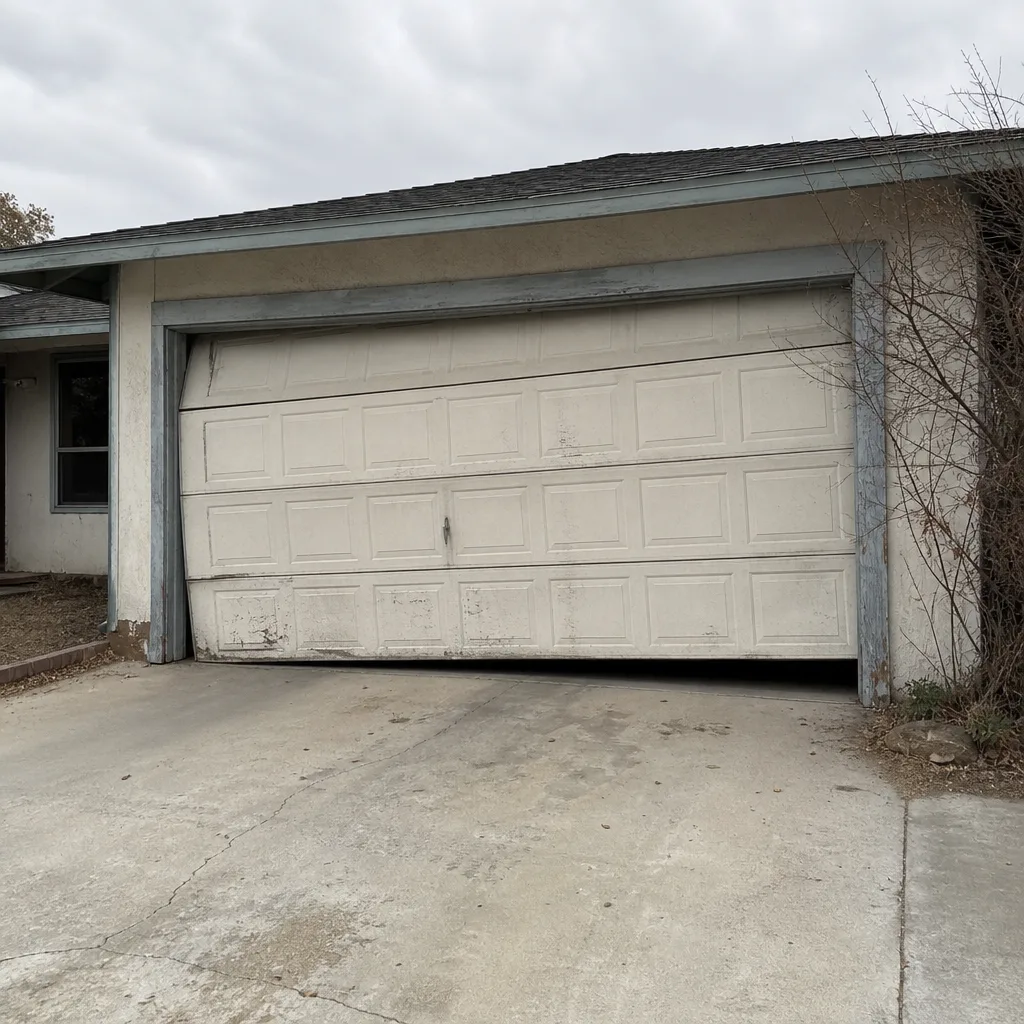 Before
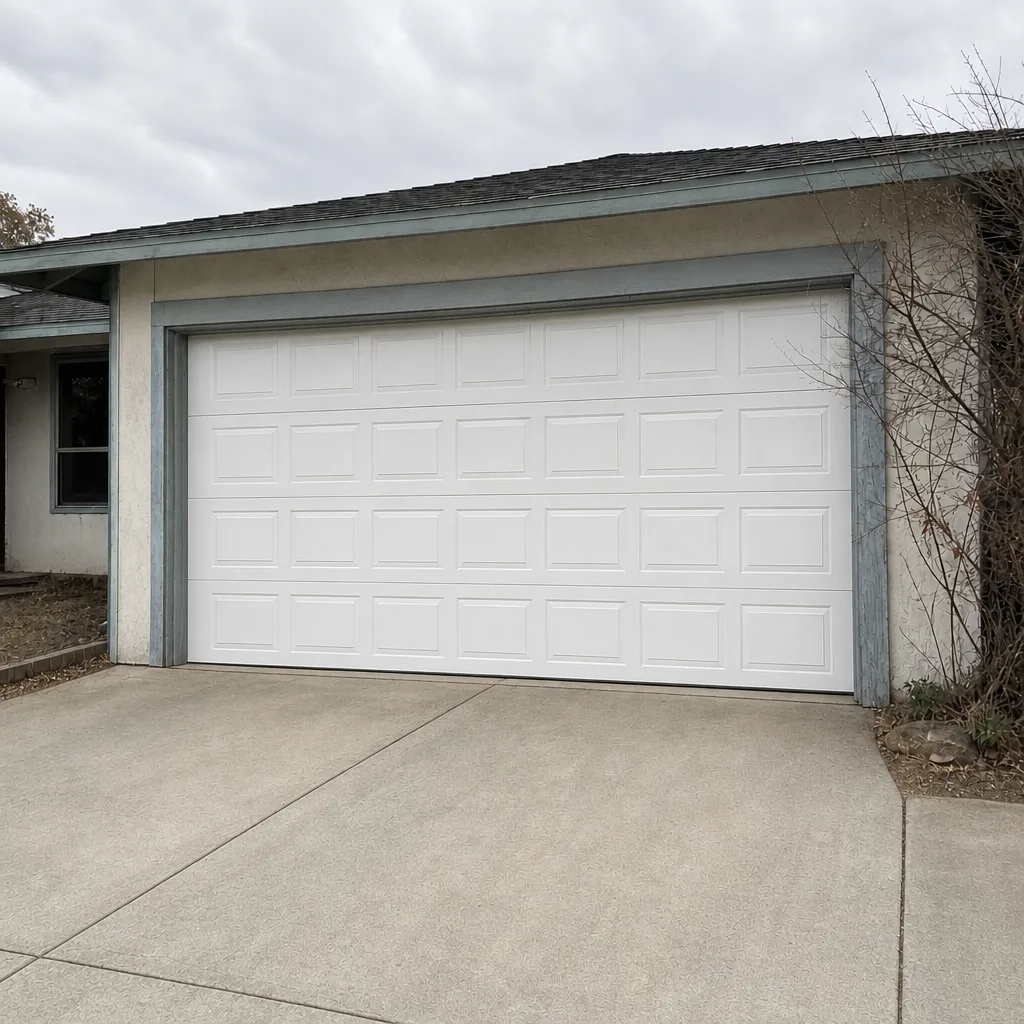 After
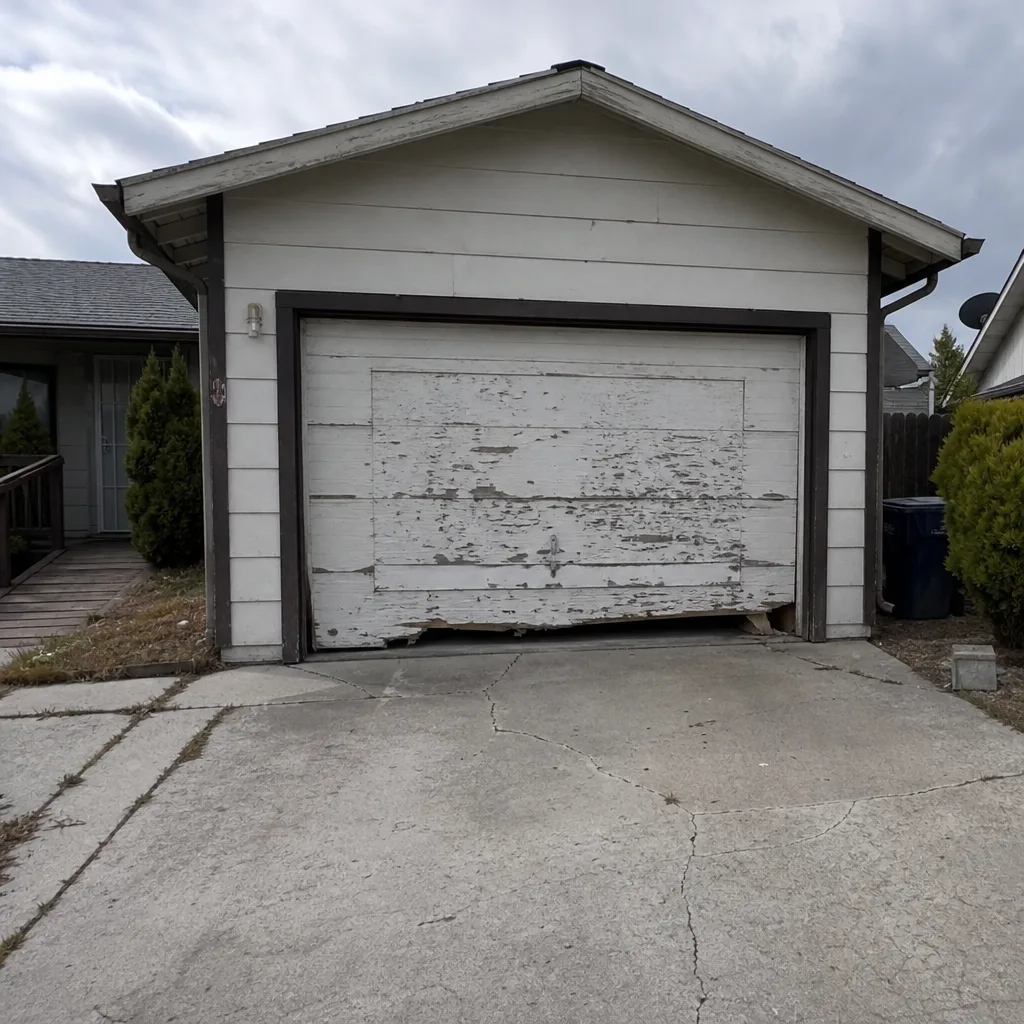 Before
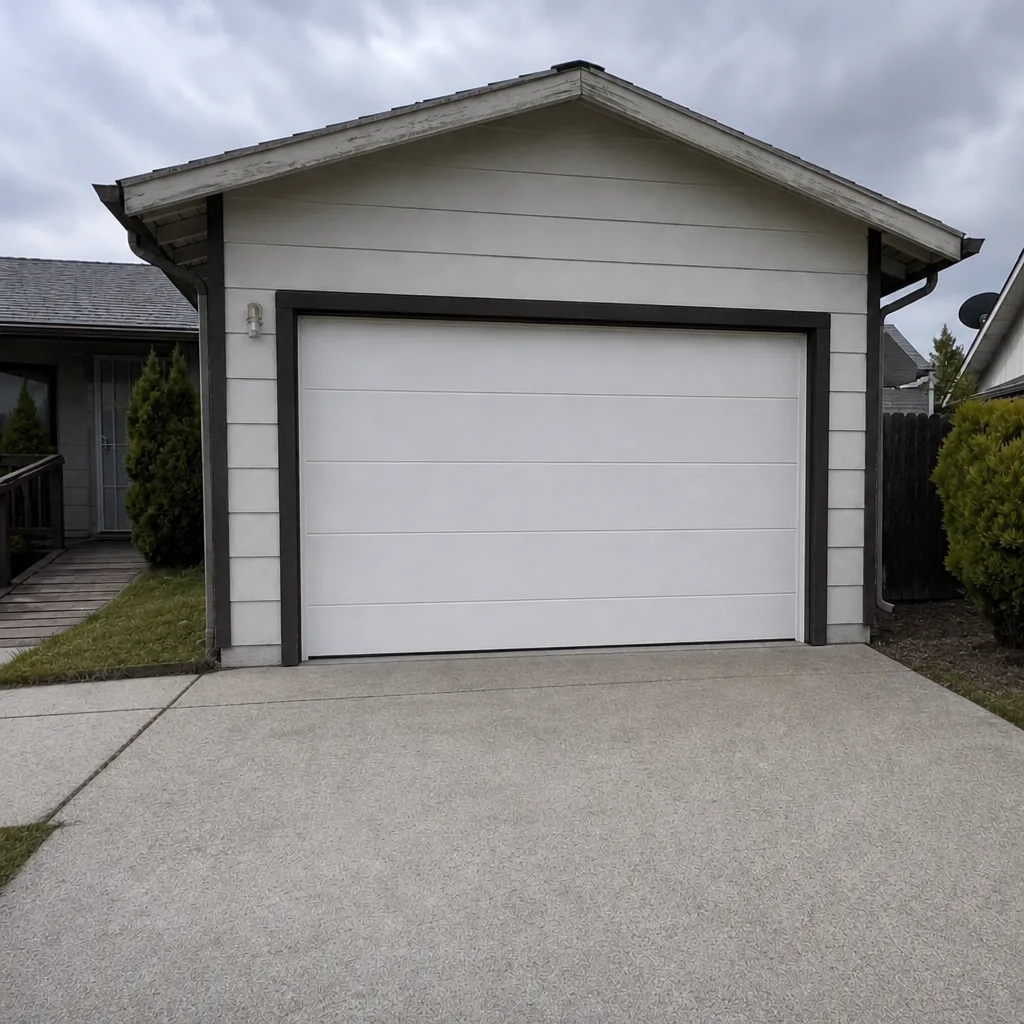 After
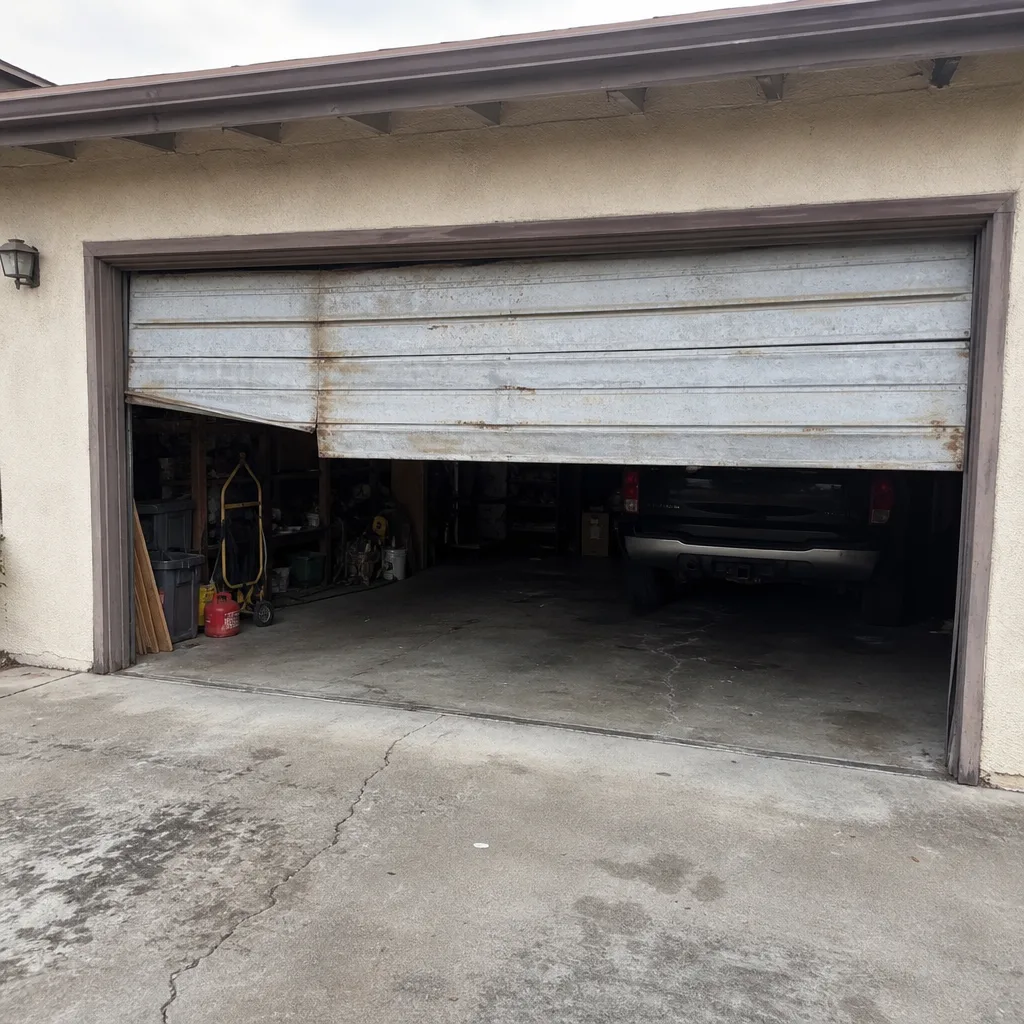 Before
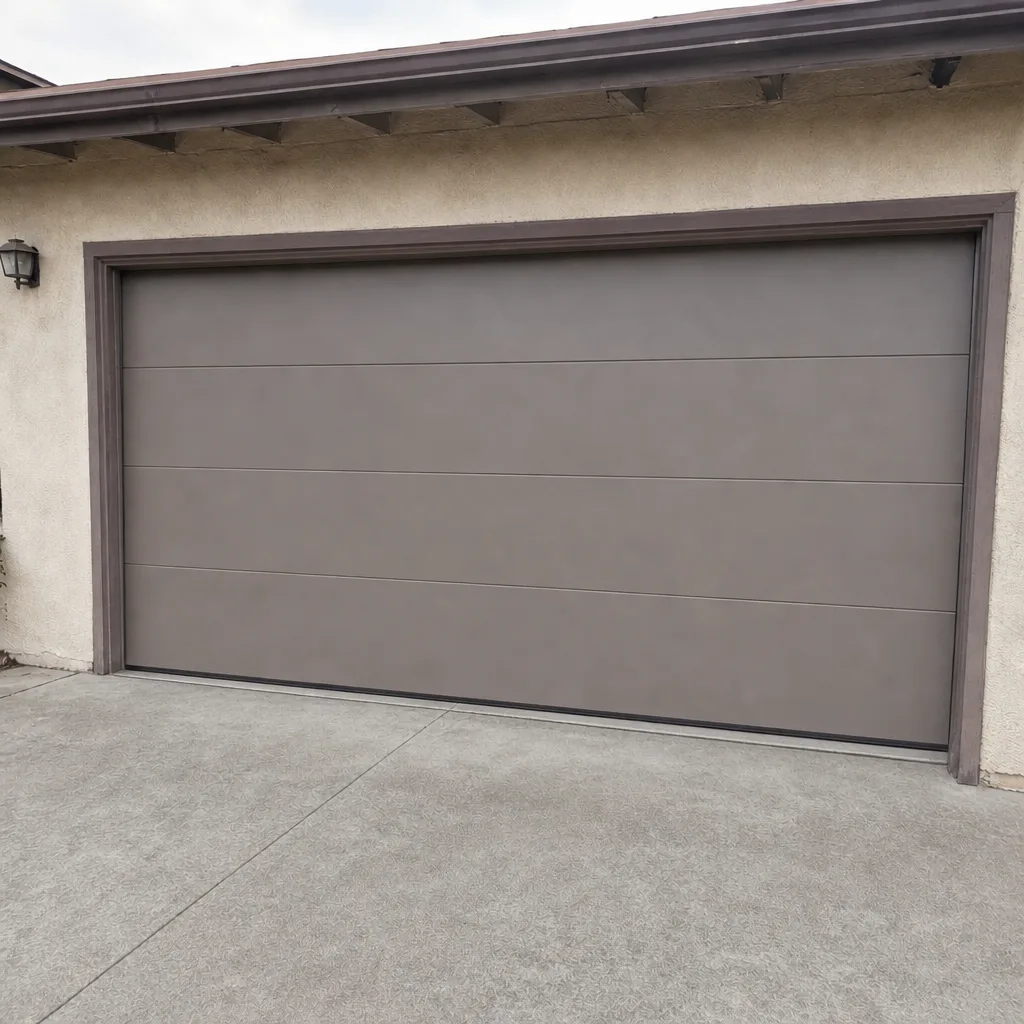 After